
Why You Crave Sugar All the Time: The Blood Sugar Connection Most People Ignore
Why You Crave Sugar All the Time: The Blood Sugar Connection Most People Ignore

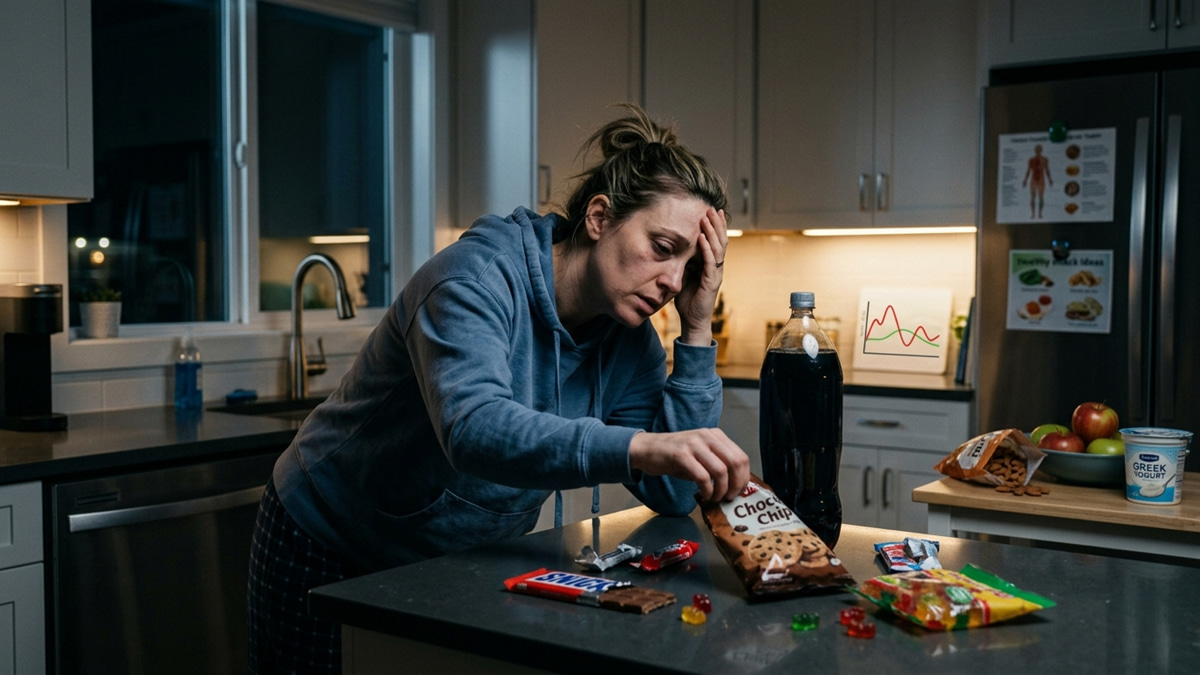
If you constantly crave sugar, even after eating, you are not alone. For many people, sugar cravings feel like a daily battle that never really ends. It might start with that “small reward” after lunch, a cookie, a piece of chocolate, or a sweet coffee drink. Then, before you know it, it turns into late-night snacking, random trips to the kitchen, or intense cravings that seem to hit out of nowhere when your energy suddenly drops.
Most people blame themselves for this. They think they just need more discipline, better self-control, or stronger willpower. But that’s usually not the real problem.
In many cases, constant sugar cravings are actually connected to your blood sugar levels.
When your blood sugar rises too quickly and then crashes, your body goes into quick-recovery mode. Your brain starts searching for the fastest source of energy possible, and sugar becomes the obvious answer. This creates a frustrating cycle of cravings, crashes, and more cravings that can feel impossible to escape.
That’s why understanding the blood sugar connection is so important. It may be the hidden reason behind your constant cravings, afternoon fatigue, mood swings, brain fog, poor sleep, and even stubborn weight gain.
The good news is that once you understand what’s happening inside your body, you can start fixing it.
In the following sections, we’ll break down why you crave sugar all the time, how blood sugar affects cravings, the hidden signs of imbalance, and what you can do naturally to regain control and finally stop the cycle.
Why Do I Crave Sugar All the Time?
This is one of the most searched health questions online, and for good reason. Sugar cravings can feel powerful, frustrating, and sometimes completely impossible to ignore. You may promise yourself you will “be good,” only to find yourself reaching for chocolate, cookies, soda, or something sweet just a few hours later.
Sometimes cravings show up right after meals, even when you’re technically full. Other times, they hit late at night when you should be winding down. They can also appear during stressful moments, emotional lows, busy workdays, or whenever your energy suddenly crashes.
Most people assume these cravings are purely emotional or caused by bad habits. While emotions and habits can play a role, there’s often something much bigger happening behind the scenes: blood sugar instability.
When your blood glucose rises too quickly, usually after eating refined carbs, sugary foods, or unbalanced meals, it creates a temporary spike in energy. But that spike doesn’t last. Soon after, your blood sugar drops, sometimes fast, and your body reacts like it needs emergency fuel.
Your brain sends strong hunger signals, pushing you to find the fastest source of energy available.
That source is usually sugar.
This creates a frustrating cycle:
Eat sugar → blood sugar spike → energy crash → crave more sugar
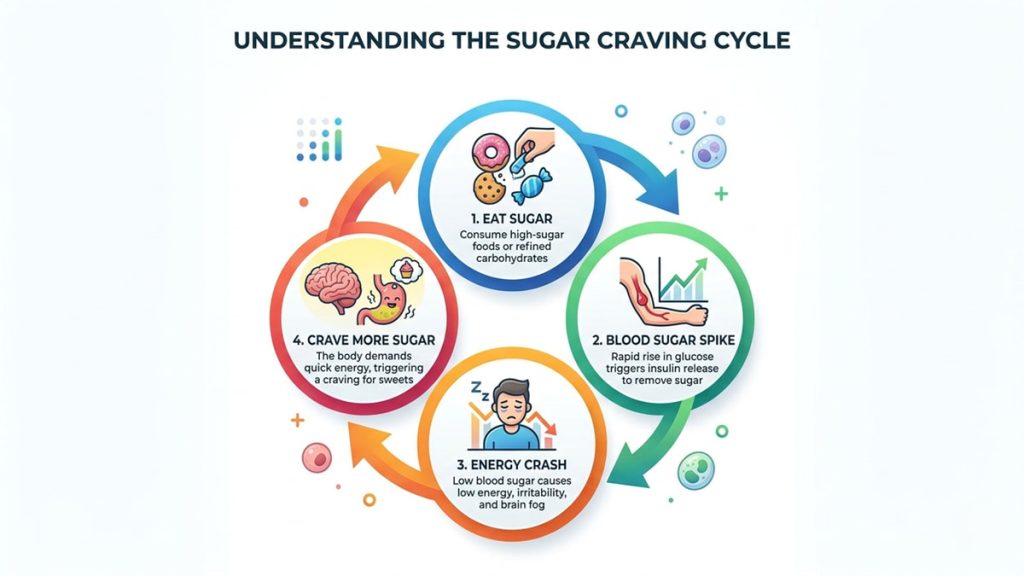
And the cycle keeps repeating, often every single day, without people realizing what’s actually causing it. The problem isn’t lack of willpower; it’s your body trying to stabilize itself.
The Blood Sugar Connection Most People Ignore
Most people only think about blood sugar when diabetes enters the conversation. If they haven’t been diagnosed with diabetes or prediabetes, they assume their blood sugar is fine and not something they need to worry about.
That’s a huge mistake.
Blood sugar imbalance can affect millions of people long before diabetes ever becomes an official diagnosis. In fact, many of the frustrating symptoms people deal with every day without understanding why can be connected to unstable glucose levels.
You don’t need to be diabetic to experience the effects.
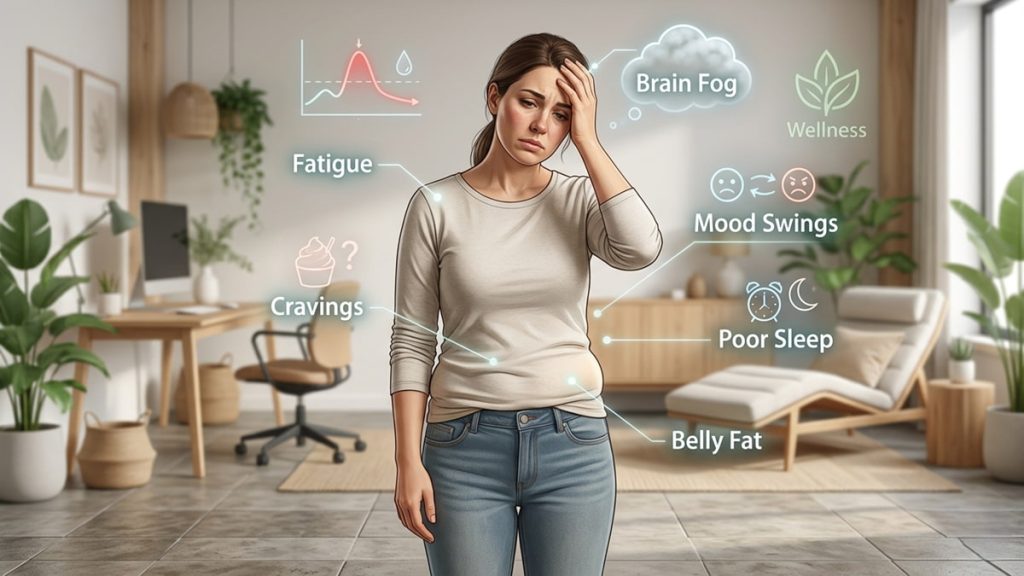
Even people who consider themselves “healthy” can struggle with signs of poor blood sugar regulation, including frequent sugar cravings, brain fog, fatigue after meals, irritability when hungry, afternoon energy crashes, stubborn belly fat, poor sleep, and the constant urge to snack throughout the day.
These symptoms are often brushed off as stress, ageing, lack of motivation, or simply “being busy.” But in many cases, they are early warning signs that your body is having a harder time managing blood sugar than you realize.
Your body works hard every day to keep glucose levels stable because your brain and cells depend on that balance for energy, focus, mood, and overall function.
When that balance gets disrupted through poor sleep, high-sugar meals, chronic stress, skipping meals, or processed foods, your body starts sending signals that something is off.
One of the strongest signals is cravings.
When blood sugar drops too low or rises too fast, your brain pushes you to seek quick fuel. That often shows up as intense cravings for sugar, carbs, or constant snacking.
This isn’t happening because you are weak or lazy.
It’s happening because your biology is asking for help.
Understanding this connection changes everything, because once you fix the blood sugar issue, the cravings often become much easier to control.
7 Hidden Signs Your Blood Sugar May Be Out of Balance
Many people live with blood sugar imbalance for years without realizing it. They assume feeling tired, craving sugar, or getting irritated when hungry is just part of normal life. But your body often gives warning signs long before bigger health issues show up.
Recognizing these signs early can help you break the cycle before it gets worse. Here are some of the most common clues that your blood sugar may be out of balance.
1. You Need Something Sweet After Every Meal
This is one of the strongest signs of blood sugar instability.
If finishing a meal never feels complete without dessert, your body may be dealing with rapid glucose shifts. Many people think they simply “love sweets,” but sometimes the craving is actually a biological response.
When meals are too high in refined carbs and too low in protein or fiber, blood sugar rises quickly and then drops fast. That drop can trigger the urge for something sweet almost immediately.
If dessert feels like a requirement and not a choice, your blood sugar may be fluctuating more than you realize.
2. You Crash Around 2–4 PM Every Day
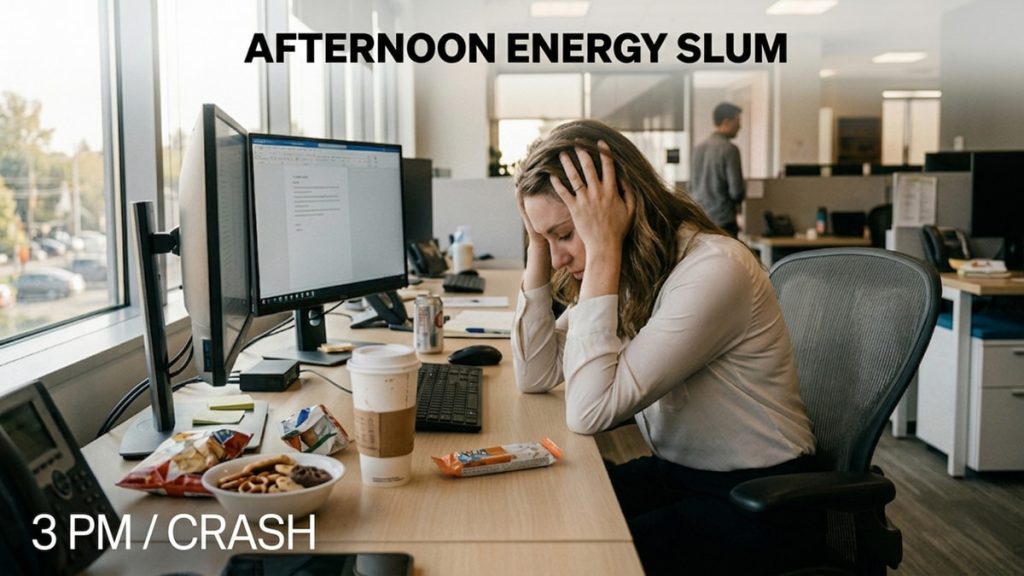
That afternoon energy collapse is not always caused by being busy or needing more coffee.
It often points to unstable blood sugar levels created earlier in the day, especially after high-carb breakfasts like cereal, toast, pastries, or sugary coffee drinks.
These foods can cause a sharp spike in blood glucose followed by a fast crash a few hours later. The result is fatigue, brain fog, and the strong urge to snack just to feel normal again.
If your afternoons always feel like a battle for energy, blood sugar may be the reason.
3. You Get “Hangry” Fast
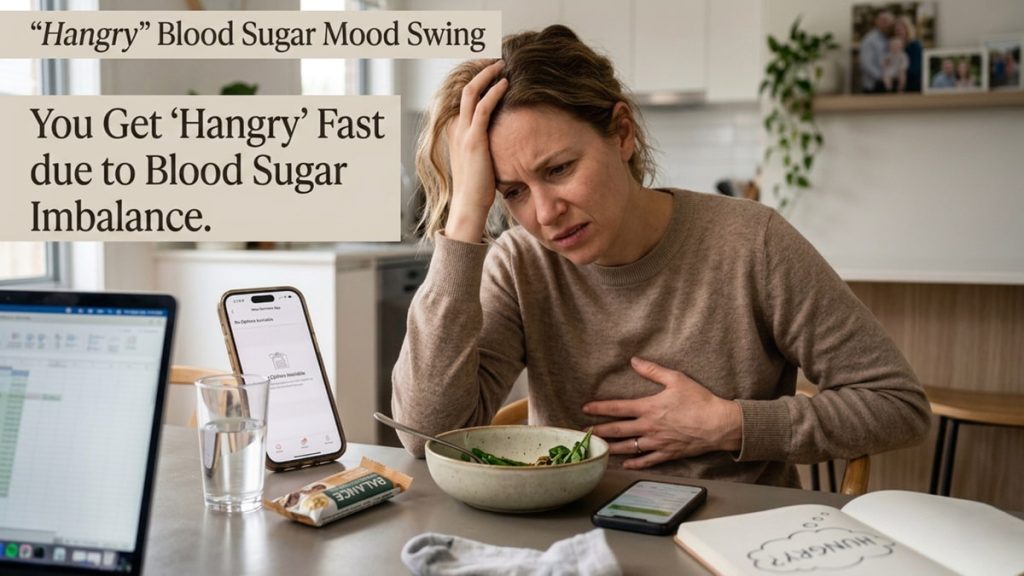
Extreme irritability when hungry can be a major sign of poor blood sugar regulation.
When your body struggles to maintain stable fuel levels, even a short gap between meals can trigger mood swings, anxiety, shakiness, or sudden frustration.
Your brain depends heavily on glucose for energy. When levels drop too quickly, your body reacts fast.
That “hangry” feeling isn’t just personality; it can be a sign your blood sugar needs attention.
4. You Wake Up Tired
Waking up tired even after what should have been a full night of sleep can be a hidden sign of blood sugar imbalance.
Many people assume morning exhaustion is only caused by stress, poor sleep habits, or staying up too late. But your blood sugar levels during the night can also play a major role.
When blood sugar drops too low or fluctuates too much while you sleep, your body may release stress hormones like cortisol and adrenaline to bring it back up. This can interrupt deep sleep without you fully realizing it.
The result is restless sleep, frequent waking, and that heavy, exhausted feeling when your alarm goes off.
If you regularly wake up tired, foggy, or still craving energy first thing in the morning, poor overnight glucose control may be part of the problem.
5. You Constantly Snack
Frequent snacking often feels like normal hunger, but in many cases, it’s actually blood sugar compensation.
When your meals don’t provide enough protein, fiber, or healthy fats, blood sugar rises fast and falls just as quickly. That drop creates sudden hunger signals, even if you ate not too long ago.
This leads to constant grazing throughout the day, grabbing crackers, chips, sweets, or “just something small” to keep going.
The problem is that many snack foods create another blood sugar spike, which keeps the cycle going.
You are not truly hungry; you are trying to recover from unstable energy levels.
If you feel like you are always looking for your next snack, your blood sugar may be driving the behaviour more than your appetite.
6. You Struggle to Lose Weight
Blood sugar and weight gain are closely connected, especially when it comes to stubborn belly fat.
When blood sugar spikes often, your body releases more insulin to help manage it. Insulin is an important hormone, but when levels stay high too often, it can make fat loss much harder.
High insulin encourages fat storage and makes it more difficult for your body to burn stored fat for energy.
This is why some people feel like they are doing everything right and eating less, exercising more, but still struggle to lose weight.
Sometimes the real issue isn’t calories alone.
It’s blood sugar control.
7. You Feel Better Immediately After Sugar
If you notice that you feel better almost immediately after eating something sweet, that can be one of the clearest signs of a blood sugar imbalance.
Maybe you feel shaky, tired, irritated, or mentally foggy and then after a candy bar, soda, or sweet snack, you suddenly feel normal again. That “instant relief” is often your biggest clue.
Your body is reacting to a blood sugar crash.
When glucose levels drop too quickly, your brain pushes you to find fast fuel. Sugar works quickly, which is why the relief feels almost immediate.
The problem is that this short-term fix often leads to another spike and another crash later.
It solves the symptom temporarily, but keeps the cycle going.
What Causes Blood Sugar Spikes?
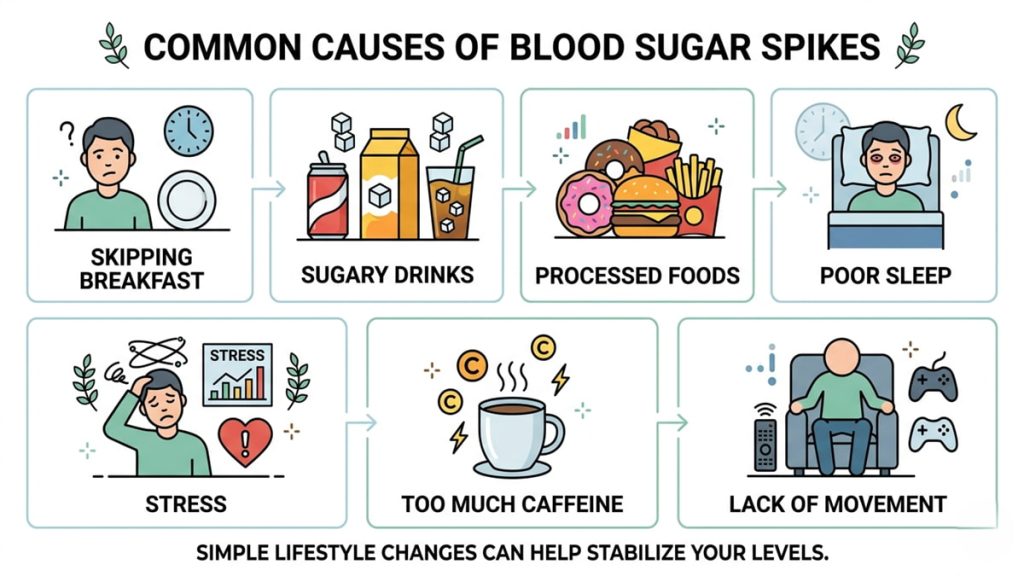
Several everyday habits can quietly trigger blood sugar spikes without people realizing it. Over time, these patterns can increase sugar cravings, energy crashes, mood swings, and constant hunger.
The problem is that many of these habits feel normal because they are so common in modern life.
One major trigger is skipping breakfast. When you go too long without eating, your body can become more sensitive to quick energy fixes later in the day, often leading to stronger cravings and overeating.
Another common cause is eating high-carb meals without enough protein, fiber, or healthy fats. Foods like cereal, white toast, pastries, or sugary coffee drinks can cause blood glucose to rise quickly and crash just as fast.
Poor sleep is another major factor. Sleep deprivation affects hormones that regulate hunger and blood sugar, making cravings stronger and self-control weaker the next day.
Chronic stress also plays a huge role. Stress hormones like cortisol can raise blood sugar levels and increase the desire for comfort foods, especially sugar and refined carbs.
Too much caffeine, especially on an empty stomach, can also contribute to unstable energy and cravings for fast fuel later.
Highly processed foods and liquid calories like soda, juice, and sweet coffee drinks are especially problematic because they digest quickly and create fast glucose spikes.
Even a lack of movement after meals matters. Sitting for long periods after eating can make it harder for your body to use glucose efficiently.
These habits create unstable energy patterns that make cravings feel impossible to control.
The good news is that once you identify the triggers, small changes can make a big difference. Stabilizing blood sugar often starts with simple daily habits, not extreme diets or strict restrictions.
How to Stop Sugar Cravings Naturally

Good news: you usually don’t need extreme diets, detox plans, or complete sugar bans to control cravings.
What you really need is better blood sugar stability.
When your blood sugar stays balanced, cravings become weaker, energy improves, and that constant battle with food starts to feel much easier. The goal is not perfection; it’s creating steady energy so your body stops asking for quick fixes.
Here are some of the most effective strategies.
Prioritize Protein at Breakfast
Starting your day with protein can make a huge difference in how you feel for the rest of the day.
A protein-heavy breakfast helps slow digestion, reduces blood sugar spikes, and keeps you full longer. It also helps lower cravings later, especially in the afternoon when energy crashes usually happen.
Good options include eggs, Greek yoghurt, protein smoothies, cottage cheese, and high-protein oatmeal.
Compare that to a breakfast of sugary cereal, toast, or pastries, which often leads to a quick spike followed by a crash.
Your first meal sets the tone for your cravings.
Stop Eating Naked Carbs
Carbs by themselves tend to raise blood sugar faster.
This is why eating fruit alone, plain toast, crackers, or cereal often leaves you hungry again very quickly.
Instead, pair carbs with protein, healthy fats, or fiber to slow down digestion and create more stable energy.
For example:
Instead of fruit alone → fruit + nuts
Instead of toast alone → toast + eggs
Small changes like this can significantly reduce cravings throughout the day.
Walk for 10 Minutes After Meals
One of the simplest and most underrated tools for blood sugar control is walking after meals.
Even a short 10-minute walk helps your body use glucose more efficiently and can reduce post-meal spikes.
You don’t need intense workouts.
Simple movement after eating can improve energy, digestion, and cravings more than most people expect.
Improve Sleep First
Sleep deprivation can increase sugar cravings faster than most people realize.
When you don’t get enough quality sleep, your body produces more hunger hormones and less of the hormones that help you feel full. This makes cravings stronger, especially for quick-energy foods like sugar, refined carbs, and processed snacks.
Poor sleep also affects blood sugar regulation directly, making energy crashes more common the next day.
That’s why people often crave sweets more after a bad night of sleep.
Improving your sleep routine by going to bed earlier, reducing late-night screen time, and managing stress can make a major difference in controlling cravings.
Support Healthy Blood Sugar Naturally
Sometimes lifestyle changes need extra support, especially when cravings have been happening for a long time.
This is where high-quality blood sugar support supplements can help.
The right formula may support better glucose balance, reduce energy crashes, and make cravings easier to manage naturally.
For people struggling with persistent sugar cravings, this can be a helpful next step alongside better daily habits.

The Best Supplements for Blood Sugar Support
Not all supplements are useful, and many are marketed with big promises but very little real value.
Look for ingredients supported by research, such as berberine, chromium, cinnamon extract, alpha-lipoic acid, magnesium, and gymnema sylvestre.
These ingredients may help support better glucose balance, improved insulin sensitivity, appetite control, reduced sugar cravings, and more stable energy throughout the day.
The key is choosing reputable brands with transparent ingredient lists and proper dosing—not flashy “miracle cure” products.
Quality matters far more than hype.
Final Thoughts: Sugar Cravings Are Usually a Signal, Not a Weakness
Constant sugar cravings are often your body signalling an imbalance, not a lack of discipline. Improving blood sugar stability can reduce cravings, smooth energy levels, and improve focus. Once glucose is balanced, control becomes easier, and the cycle of cravings naturally weakens without relying on willpower alone.
Related posts