
The Simple Blood Sugar Plate Method: How to Enjoy Your Favourite Foods While Supporting Healthy Glucose Levels
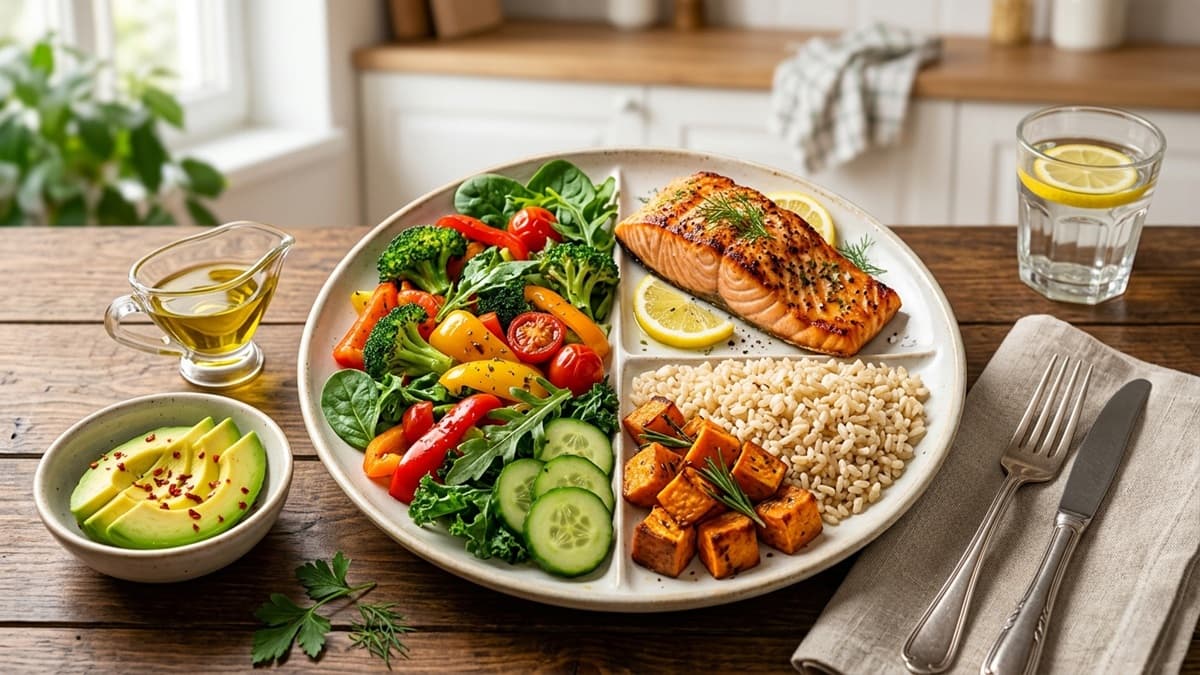
The Simple Blood Sugar Plate Method: How to Enjoy Your Favourite Foods While Supporting Healthy Glucose Levels

Many people assume that supporting healthy blood sugar levels means giving up the foods they enjoy most. Bread, rice, pasta, potatoes, desserts, these foods are often blamed for blood sugar spikes, leading many people to believe that strict food rules are the only solution.
The reality is often much simpler.
In many cases, it’s not about eliminating your favourite foods altogether. Instead, it’s about how you build your meals. The combination of foods on your plate can have a significant impact on how satisfied you feel, your energy levels throughout the day, and how your body responds after eating.
That’s where the Blood Sugar Plate Method comes in.
The Blood Sugar Plate Method is a straightforward approach to meal planning that helps you create balanced, satisfying meals without counting calories, tracking every gram of carbohydrate, or following a complicated diet plan. By focusing on the right mix of vegetables, protein, carbohydrates, and healthy fats, you can enjoy a wide variety of foods while supporting healthy glucose levels and more stable energy.
Whether you are looking to make healthier food choices, reduce afternoon energy crashes, or simply build meals that keep you feeling fuller for longer, this method offers a practical and sustainable starting point.
In this guide, you will learn exactly how the Blood Sugar Plate Method works, why it can be so effective, and how to use it to enjoy your favourite foods while creating more balanced meals every day.
What Is the Blood Sugar Plate Method?
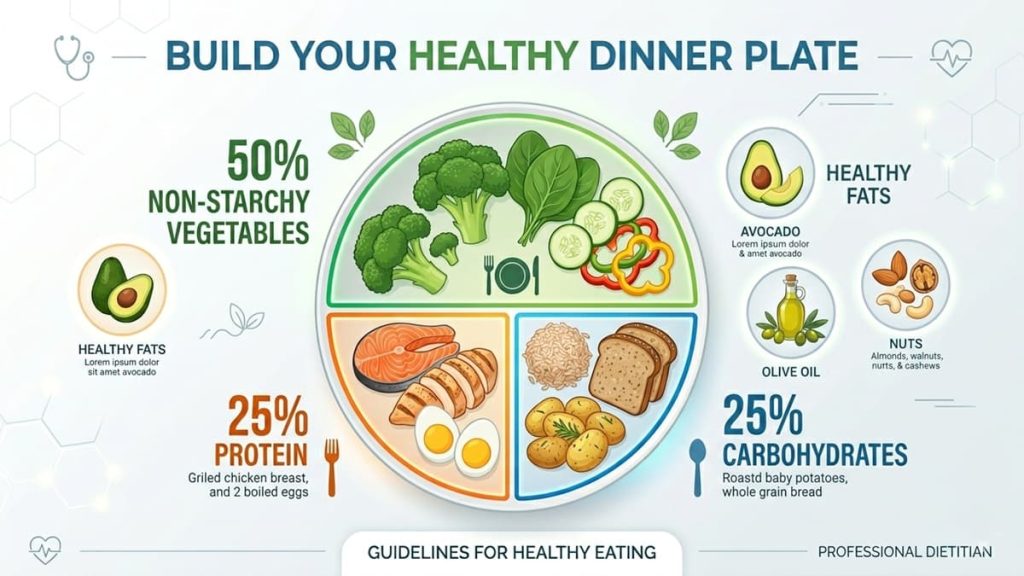
The Blood Sugar Plate Method is a simple way to build balanced meals that can help support healthy glucose levels while still allowing you to enjoy a wide variety of foods. Rather than focusing on strict dieting rules, calorie counting, or eliminating entire food groups, this approach uses a visual guide to help you create meals with a better balance of nutrients.
The idea is straightforward: divide your plate into sections for vegetables, protein, and carbohydrates, then add healthy fats as needed. This combination can help slow digestion, improve satiety, and create a more balanced response after meals.
One of the biggest advantages of the Blood Sugar Plate Method is that it’s flexible. Whether you are cooking at home, eating out, or preparing a quick lunch, the same basic principles can be applied to almost any meal.
A Simple Visual Approach to Balanced Meals
Many meal plans fail because they are too complicated to follow consistently. The Blood Sugar Plate Method simplifies healthy eating by giving you an easy visual framework instead of a long list of rules.
Think of your plate as a tool for balance. Instead of asking, “Can I eat this food?” the focus shifts to, “How can I build a more balanced meal?”
For example, if you are having rice, pasta, or potatoes, you don’t necessarily need to avoid them. Instead, you can pair them with protein, vegetables, and healthy fats to create a more satisfying meal overall. This practical approach makes healthy eating feel less restrictive and more sustainable over time.
Why So Many Nutrition Professionals Recommend It
Nutrition professionals often recommend plate-based meal planning because it’s easy to understand and apply in everyday life. Rather than obsessing over numbers, people learn to build meals that naturally include a variety of nutrients.
The Blood Sugar Plate Method also encourages habits that support long-term health, such as eating more vegetables, prioritizing protein, and paying attention to portion balance. Because it’s simple and realistic, many people find it easier to maintain than highly restrictive eating plans, making it a useful strategy for creating healthier meals consistently.
Why Blood Sugar Spikes Matter
Before diving into how to build a blood sugar-friendly plate, it helps to understand why blood sugar spikes matter in the first place.
Every time you eat, your body breaks down carbohydrates into glucose, which enters your bloodstream and provides energy for your cells. This is a normal and necessary process. However, the speed and intensity of that rise in blood sugar can vary depending on what and how much you eat.
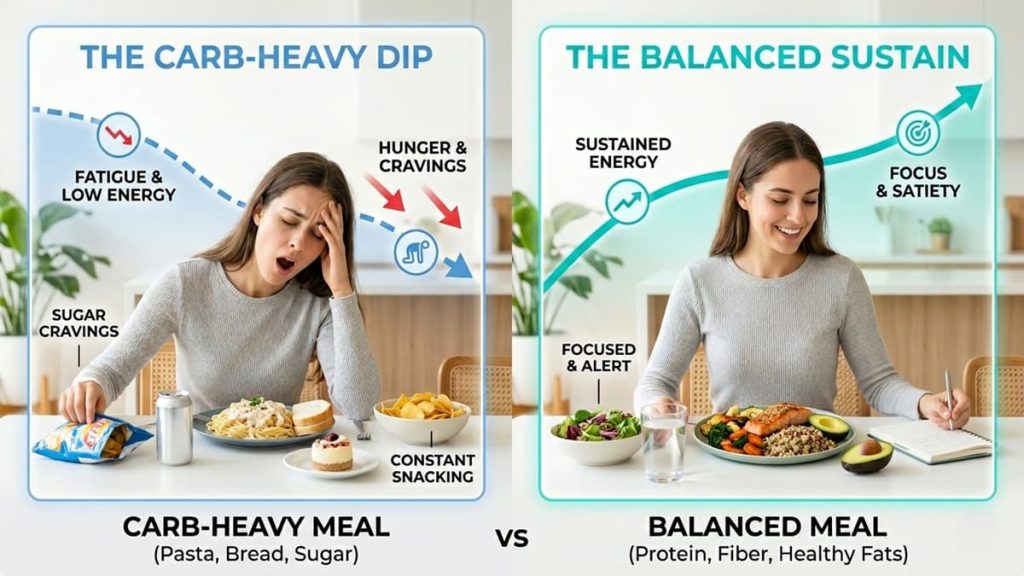
Meals that are heavily focused on refined carbohydrates and low in protein, fibre, or healthy fats may lead to a quicker rise in blood sugar. This can sometimes be followed by a sharper drop, leaving you feeling hungry, tired, or craving more food shortly after eating. By contrast, balanced meals tend to promote a steadier release of energy throughout the day.
What Happens After You Eat?
When glucose enters your bloodstream, your body releases insulin, a hormone that helps move glucose from the blood into your cells where it can be used for energy.
Think of insulin as a key that unlocks your cells and allows glucose to enter. When meals are balanced with protein, fibre-rich vegetables, and healthy fats, digestion often occurs more gradually, which can help create a more stable energy experience after eating.
This is one reason why meal composition matters. The foods you pair together can influence how satisfied you feel and how your body responds to a meal.
Signs Your Meals May Be Causing Blood Sugar Swings
While everyone responds to food differently, certain patterns may suggest that your meals are not keeping you satisfied for very long.
You might notice:
- Feeling hungry again within one or two hours of eating
- Afternoon energy crashes
- Frequent cravings for sugary snacks
- Difficulty concentrating after meals
- Feeling sluggish or tired despite eating enough food
If these experiences sound familiar, it doesn’t necessarily mean you need a strict diet. Often, making small adjustments to how you build your plate can help create more balanced meals that support healthy glucose levels and more consistent energy throughout the day.
Quick Check-In: How often do you experience an energy crash, strong cravings, or hunger shortly after a meal? Paying attention to these patterns can provide valuable clues about whether your meals could benefit from better balance.
The Simple Blood Sugar Plate Formula
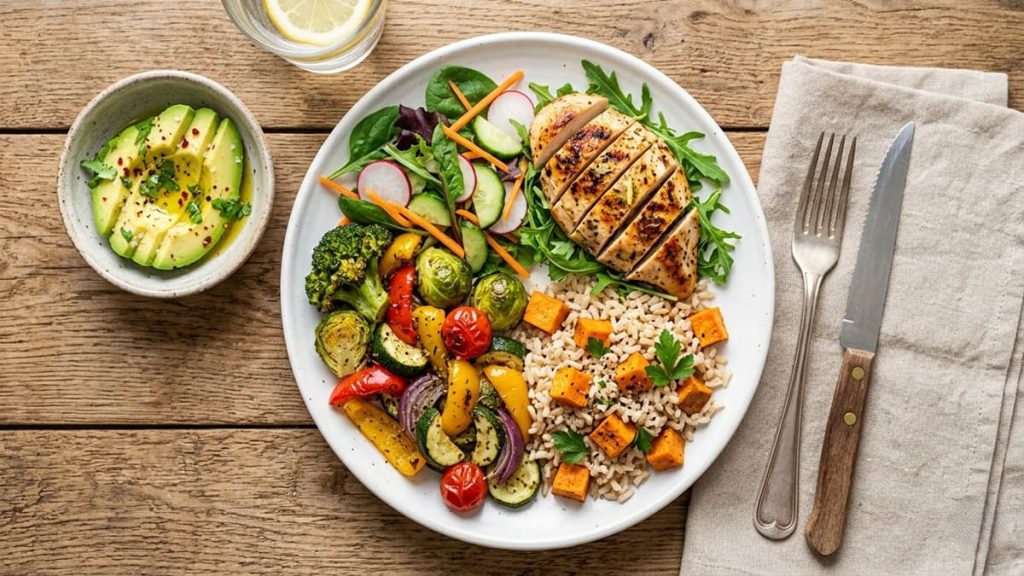
Now that you understand why meal balance matters, let’s look at how to put the Blood Sugar Plate Method into practice.
The good news is that you don’t need a complicated meal plan or a list of forbidden foods. The Blood Sugar Plate Method provides a simple visual framework that can be used for almost any meal, whether you are cooking at home, eating at a restaurant, or grabbing a quick lunch on a busy day.
The goal is to create a plate that combines fibre-rich vegetables, protein, carbohydrates, and healthy fats. Together, these nutrients work to create a more satisfying meal and can help support healthy glucose levels throughout the day.
A simple way to visualize the method is:
- Half your plate: Non-starchy vegetables
- One-quarter of your plate: Protein
- One-quarter of your plate: Carbohydrates
- A small serving of healthy fats
Let’s break down each component.
Fill Half Your Plate with Non-Starchy Vegetables
Vegetables are one of the foundations of a blood sugar-friendly meal.
Non-starchy vegetables are naturally rich in fibre, vitamins, minerals, and beneficial plant compounds. Fibre can help slow digestion and promote a greater sense of fullness after eating, making vegetables an important part of balanced meal planning.
Good options include:
- Broccoli
- Spinach
- Lettuce
- Cucumber
- Bell peppers
- Green beans
- Cauliflower
- Zucchini
- Tomatoes
- Cabbage
Filling half your plate with vegetables not only adds volume and nutrition but also helps create a better balance between carbohydrates and other nutrients.
If you are not used to eating many vegetables, don’t worry about being perfect. Even gradually increasing your vegetable intake can be a positive step.
Reserve One Quarter of Your Plate for Protein
Protein plays a key role in creating satisfying meals.
Compared to meals that are mostly carbohydrates, meals that contain adequate protein often help people stay full longer and feel more satisfied between meals. Protein also supports muscle maintenance and many other important functions throughout the body.
Some protein-rich foods include:
- Chicken
- Turkey
- Fish
- Eggs
- Greek yogurt
- Cottage cheese
- Tofu
- Tempeh
- Lean beef
- Beans and lentils
You don’t need enormous portions. A moderate serving that occupies roughly one-quarter of your plate is often a practical starting point.
When building blood sugar-friendly meals, protein acts as an important balancing component that complements both vegetables and carbohydrates.
Use the Remaining Quarter for Carbohydrates
Carbohydrates are often misunderstood.
Many people assume they must completely avoid carbs to support healthy blood sugar levels, but carbohydrates are an important source of energy and can absolutely be part of a balanced eating pattern.
The key is focusing on portion balance and pairing carbohydrates with protein, fibre, and healthy fats whenever possible.
Examples of carbohydrate-rich foods include:
- Brown rice
- White rice
- Potatoes
- Sweet potatoes
- Oats
- Whole-grain bread
- Pasta
- Quinoa
- Beans
- Fruit
Instead of eliminating these foods, the Blood Sugar Plate Method encourages you to enjoy them in a balanced way.
For example, rather than eating a large bowl of pasta by itself, you might pair a moderate portion of pasta with grilled chicken and a generous serving of vegetables. This creates a meal that is more balanced and often more satisfying.
Add Healthy Fats for Satisfaction
Healthy fats are the final piece of the puzzle.
While fats are often overlooked in meal planning, they contribute to flavour, satisfaction, and overall meal enjoyment. Including a moderate amount of healthy fats can help make meals feel more complete and enjoyable.
Examples include:
- Avocado
- Olive oil
- Nuts
- Seeds
- Nut butters
- Olives
A little goes a long way. You don’t need large amounts to benefit from the added flavour and satisfaction healthy fats can provide.
Putting It All Together
The beauty of the Blood Sugar Plate Method is its simplicity. Instead of worrying about every calorie or gram of carbohydrate, you can focus on building balanced plates that include vegetables, protein, carbohydrates, and healthy fats.
A dinner plate might include grilled salmon, roasted vegetables, a serving of rice, and a drizzle of olive oil. A breakfast plate could feature eggs, whole-grain toast, berries, and a few slices of avocado.
The specific foods can vary based on your preferences, culture, and lifestyle. What remains consistent is the balance. By following this simple formula, you can enjoy a wide range of foods while creating meals that support healthy glucose levels, stable energy, and long-term satisfaction.
Can You Still Eat Your Favourite Foods?

One of the biggest misconceptions about healthy eating for blood sugar balance is that you must completely avoid certain foods. Many people assume that supporting healthy glucose levels means saying goodbye to pasta, pizza, rice, potatoes, desserts, and other favourite meals.
For most people, that’s simply not true.
The Blood Sugar Plate Method is built around balance, not restriction. Instead of focusing on what you can’t eat, it encourages you to think about how different foods work together on your plate. This shift in mindset can make healthy eating feel much more realistic and enjoyable.
Why Restriction Often Backfires
Strict diets can seem appealing because they offer clear rules and quick solutions. However, highly restrictive eating plans are often difficult to maintain over the long term.
When people feel deprived of foods they enjoy, cravings can become stronger. Eventually, this can lead to frustration, overeating, or abandoning healthy habits altogether.
A more sustainable approach is to allow room for flexibility while making thoughtful choices about portion sizes and meal balance. Rather than labelling foods as “good” or “bad,” the Blood Sugar Plate Method focuses on creating meals that include a variety of nutrients.
This approach not only feels less restrictive but may also be easier to maintain as part of a long-term healthy lifestyle.
How the Plate Method Makes Favourite Foods Fit
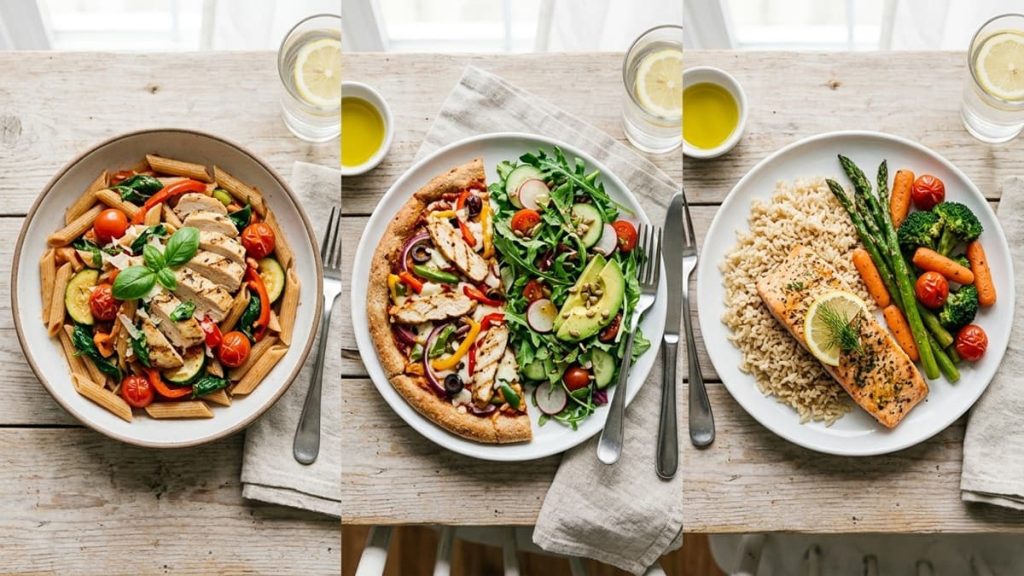
The beauty of the Blood Sugar Plate Method is that it can be adapted to almost any cuisine or eating style.
Pasta Night Example
Instead of filling your entire plate with pasta, try making pasta one part of a balanced meal. You might enjoy a moderate portion of pasta alongside grilled chicken, roasted vegetables, and a drizzle of olive oil.
This allows you to enjoy the meal you love while adding protein, fibre, and healthy fats that help create better balance.
Pizza Night Example
Pizza can fit into a balanced plate, too. Pair a few slices with a large side salad and a source of protein, such as grilled chicken or a protein-rich topping.
This simple adjustment can help transform pizza night from a carbohydrate-heavy meal into a more balanced one.
Rice-Based Meal Example
Rice is a staple food in many cultures and can absolutely be included in blood sugar-friendly meals. Instead of making rice the main focus of the plate, pair it with lean protein and plenty of vegetables.
For example, grilled fish, mixed vegetables, and a moderate serving of rice create a meal that is both satisfying and balanced.
Focus on Balance, Not Perfection
The goal isn’t to create a perfect plate every time you eat. It’s to make small, consistent choices that improve the overall balance of your meals.
When you stop viewing healthy eating as a list of restrictions and start viewing it as a framework for building better meals, it becomes much easier to enjoy your favourite foods while supporting healthy glucose levels and steady energy throughout the day.
Real-Life Blood Sugar-Friendly Meal Examples
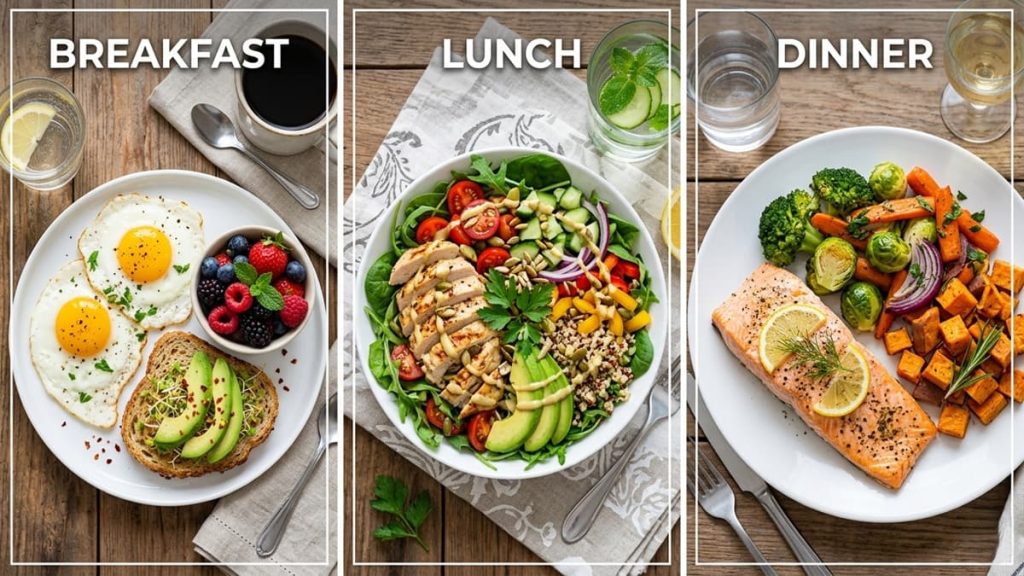
Understanding the Blood Sugar Plate Method is one thing, putting it into practice is another. The good news is that building blood sugar-friendly meals doesn’t require complicated recipes or expensive ingredients.
The key is to combine vegetables, protein, carbohydrates, and healthy fats in a way that creates a balanced plate. Here are a few simple examples to help you get started.
Breakfast
Breakfast is often the first opportunity to create steady energy for the day ahead.
A balanced breakfast might include:
- Scrambled eggs with whole-grain toast and a side of berries
- Greek yogurt topped with fruit, nuts, and seeds
- Oatmeal paired with a boiled egg and a spoonful of nut butter
These meals provide a mix of protein, fibre, healthy fats, and carbohydrates, helping create a more satisfying start to the day.
Lunch
Lunch is a great time to focus on vegetables and protein while including a moderate portion of carbohydrates.
Examples include:
- Grilled chicken salad with mixed vegetables and a whole-grain roll
- A quinoa bowl with roasted vegetables, chickpeas, and avocado
- Turkey and vegetable wrap served with a side salad
These meals are easy to prepare, portable for work or school, and adaptable to a variety of dietary preferences.
Dinner
Dinner often revolves around a main protein, making it easy to apply the Plate Method.
Some balanced dinner ideas include:
- Grilled salmon with roasted vegetables and sweet potatoes
- Stir-fried chicken, mixed vegetables, and rice
- Lean beef, steamed broccoli, and baked potatoes
Notice that carbohydrates are included in each meal. The focus is not on eliminating them but on balancing them with other nutrient-rich foods.
Snacks
Snacks can help bridge the gap between meals when chosen thoughtfully.
Some blood sugar-friendly snack ideas include:
- Apple slices with peanut butter
- Greek yogurt with berries
- A handful of nuts and seeds
- Cottage cheese with sliced fruit
- Vegetables with hummus
The best snacks typically combine carbohydrates with protein or healthy fats, helping them feel more satisfying than carbohydrate only options.
Remember, these examples are meant to inspire, and not provide rigid rules. The Blood Sugar Plate Method works because it’s flexible. By using the same basic principles across breakfast, lunch, dinner, and snacks, you can create balanced meals that fit your lifestyle while supporting healthy glucose levels and steady energy throughout the day.
Common Plate Method Mistakes
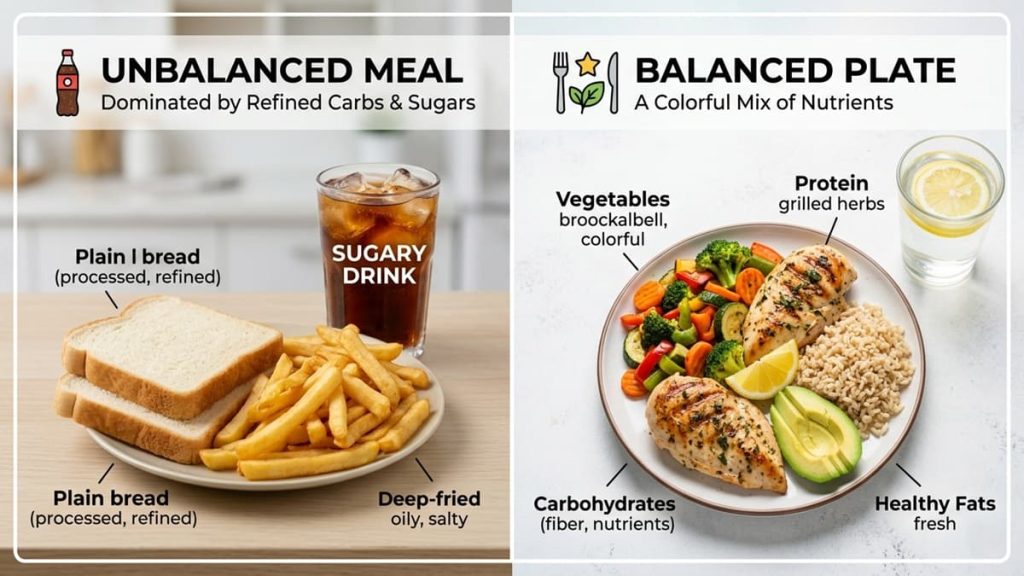
The Blood Sugar Plate Method is intentionally simple, but like any healthy habit, there can be a learning curve. If you are not seeing the results you expected, a few small adjustments may make a big difference.
Here are some of the most common mistakes people make when building blood sugar-friendly meals.
Skipping Protein
One of the biggest mistakes is not including enough protein on the plate.
A meal made up mostly of carbohydrates may leave you feeling hungry again shortly after eating. Protein helps increase satisfaction and plays an important role in creating balanced meals. Make sure each meal includes a meaningful source of protein, such as eggs, fish, poultry, Greek yogurt, tofu, or legumes.
Eating Too Few Vegetables
Vegetables provide fibre, nutrients, and volume that help make meals more filling.
It’s easy to focus on protein and carbohydrates while forgetting the vegetable portion of the plate. Aim to fill about half your plate with non-starchy vegetables whenever possible.
Drinking Sugary Beverages
Even when meals are well balanced, sugary drinks can add a large amount of rapidly absorbed carbohydrates.
Soft drinks, sweetened teas, specialty coffee drinks, and some fruit beverages may contribute to energy highs and lows. Water, sparkling water, or unsweetened beverages are often better everyday choices.
Oversized Portions of Refined Carbohydrates
Foods like white bread, pastries, chips, and large servings of refined grains can quickly dominate a meal.
The Plate Method doesn’t require eliminating these foods, but portion balance still matters. Try pairing carbohydrates with vegetables, protein, and healthy fats instead of making them the main focus of the meal.
Ignoring Meal Timing
Waiting too long between meals can sometimes lead to excessive hunger and less balanced food choices later in the day.
While everyone’s schedule is different, eating regular, balanced meals can help support consistent energy and make it easier to follow the Plate Method over time.
The good news is that these mistakes are easy to correct. Small improvements in meal balance often add up to meaningful long-term results.
Additional Habits That Support Healthy Glucose Levels

While the Blood Sugar Plate Method can be a powerful tool for building balanced meals, food is only one piece of the puzzle. Several everyday habits can also influence your energy levels, appetite, and overall metabolic health.
The good news is that small, consistent actions often have a greater long-term impact than trying to make drastic changes all at once.
Daily Movement
Regular physical activity helps your body use glucose more efficiently and supports overall health.
This doesn’t mean you need an intense workout routine. Simple activities such as walking, cycling, gardening, or taking the stairs can make a meaningful difference. Even a short walk after meals can be an easy way to incorporate more movement into your day.
Sleep Quality
Sleep plays a surprisingly important role in maintaining healthy habits.
Poor sleep can affect hunger signals, energy levels, and food choices the following day. Aim for a consistent sleep schedule and create a relaxing bedtime routine whenever possible.
Stress Management
Chronic stress can make it harder to maintain healthy eating habits and may affect how your body responds to everyday challenges.
Stress management looks different for everyone, but helpful strategies may include deep breathing, meditation, spending time outdoors, journaling, or simply taking regular breaks throughout the day.
Hydration
Staying hydrated supports many important functions throughout the body and can help you feel your best.
Sometimes thirst can be mistaken for hunger, leading to unnecessary snacking. Keeping a water bottle nearby and drinking fluids regularly throughout the day can make hydration easier.
Remember, supporting healthy glucose levels isn’t about perfection. Combining balanced meals with regular movement, quality sleep, stress management, and proper hydration creates a strong foundation for long-term health and steady energy.
Tools That Can Make the Plate Method Easier
One of the reasons the Blood Sugar Plate Method works so well is its simplicity. However, a few helpful tools can make meal planning and healthy eating even more convenient, especially when you are just getting started.
Meal Planning Apps
Meal planning apps can help you organize meals, create shopping lists, and reduce the stress of deciding what to eat each day. For busy individuals, having a simple plan in place can make it much easier to build balanced meals consistently.
Portion-Control Plates
Visual reminders can be surprisingly effective. Portion-control plates are designed with sections for vegetables, protein, and carbohydrates, making it easier to apply the Plate Method without having to measure food or count calories.
High-Protein Snack Options
Keeping convenient, protein-rich snacks on hand can help you stay satisfied between meals. Options such as protein bars, roasted chickpeas, nuts, or Greek yogurt can be useful when you are short on time and need a quick snack.
Healthy Cooking Resources
Recipe websites, meal-planning guides, and healthy cookbooks can provide fresh ideas when you feel stuck in a food rut. Having a collection of simple, balanced recipes makes it easier to maintain healthy habits over the long term.
Remember, none of these tools are required. The Plate Method can be effective on its own, but the right resources may help simplify the process and make balanced eating more sustainable.
Simple 7-Day Blood Sugar Plate Challenge
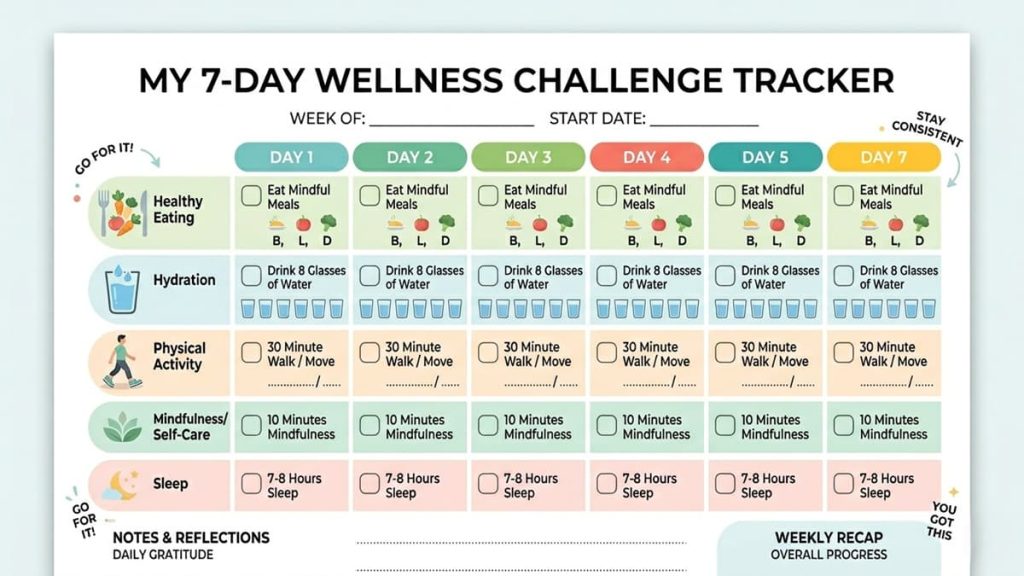
Reading about healthy habits is helpful, but taking action is where real change begins. If you are new to the Blood Sugar Plate Method, this simple 7-day challenge can help you put the principles into practice one step at a time.
Don’t worry about being perfect. The goal is simply to build awareness and make small improvements throughout the week.
Day 1
Build one balanced breakfast using the Plate Method principles.
Day 2
Add at least one extra serving of non-starchy vegetables to your lunch.
Day 3
Review your dinner plate and make sure protein occupies about one-quarter of the plate.
Day 4
Choose a balanced snack that combines carbohydrates with protein or healthy fats.
Day 5
Drink water consistently throughout the day and pay attention to your hydration habits.
Day 6
Take a 10- to 15-minute walk after one meal.
Day 7
Build all three main meals using the Blood Sugar Plate Method framework.
Reflect on Your Progress
At the end of the week, take a few minutes to reflect on how you felt. Did you notice more consistent energy, Fewer cravings, or better satisfaction after meals?
Even small changes can build confidence and create positive momentum. The purpose of this challenge isn’t perfection; it’s learning how simple meal-building habits can support healthy glucose levels and fit naturally into everyday life.
Want a Done-for-You Blood Sugar Plate Guide?
Getting started is often the hardest part. That’s why we have created a free 7-Day Blood Sugar-Friendly Meal Planning Guide to help you put the Plate Method into action.
Inside, you will find:
- Simple meal-planning templates
- A printable Blood Sugar Plate guide
- Easy shopping lists
- Balanced meal and snack ideas
If you’d like extra support, download your free copy and start building balanced meals with greater confidence. It’s a practical resource designed to make healthy eating simpler, more consistent, and easier to fit into your everyday routine.
Frequently Asked Questions
What is the best plate method for healthy blood sugar?
A simple and effective approach is the Blood Sugar Plate Method. It involves filling half your plate with non-starchy vegetables, one-quarter with protein, and one-quarter with carbohydrates, then adding a small amount of healthy fats. This balanced structure can help support healthy glucose levels while keeping meals satisfying and practical.
Can I eat carbohydrates and still support healthy glucose levels?
Yes. Carbohydrates are an important source of energy and do not need to be eliminated for most people. The key is balancing them with protein, vegetables, and healthy fats rather than eating large portions of carbohydrates on their own.
Does the Blood Sugar Plate Method help with weight management?
Many people find that balanced meals help them feel fuller and more satisfied, which may support healthy eating habits over time. However, the primary focus of the Plate Method is meal balance rather than weight loss.
What foods help support healthy blood sugar?
Foods rich in protein, fibre, and healthy fats are commonly included in blood sugar-friendly meals. Examples include vegetables, fish, eggs, Greek yogurt, beans, lentils, nuts, seeds, and whole-food carbohydrate sources such as fruit and whole grains.
Can I use the Plate Method when eating out?
Absolutely. The Plate Method is flexible enough to work in restaurants, cafeterias, and social settings. Simply aim to include vegetables, protein, and a moderate portion of carbohydrates whenever possible.
What is the easiest way to start today?
Start with just one meal. Build a plate that includes vegetables, protein, carbohydrates, and healthy fats. Small, consistent improvements are often easier to maintain than trying to change everything at once.
Conclusion
Supporting healthy blood sugar levels doesn’t have to mean following a restrictive diet or giving up the foods you enjoy most. As you have seen throughout this guide, the Blood Sugar Plate Method is a simple, flexible approach that focuses on balance rather than perfection.
By filling your plate with a thoughtful combination of vegetables, protein, carbohydrates, and healthy fats, you can create meals that are satisfying, enjoyable, and easier to maintain over the long term. Small changes, such as adding more vegetables, including protein at each meal, or balancing your favourite carbohydrate-rich foods, can add up over time.
Remember, healthy eating isn’t about getting every meal exactly right. It’s about building consistent habits that support your goals and fit your lifestyle.
If you are ready to get started, begin with just one meal today. Use the Plate Method as your guide, pay attention to how you feel, and focus on progress rather than perfection. Over time, those simple choices can help support healthy glucose levels, steady energy, and a more confident approach to eating.
Related posts