
7 Signs Your Blood Sugar Control Is Improving (Beyond What Your Glucose Meter Shows)
7 Signs Your Blood Sugar Control Is Improving (Beyond What Your Glucose Meter Shows)

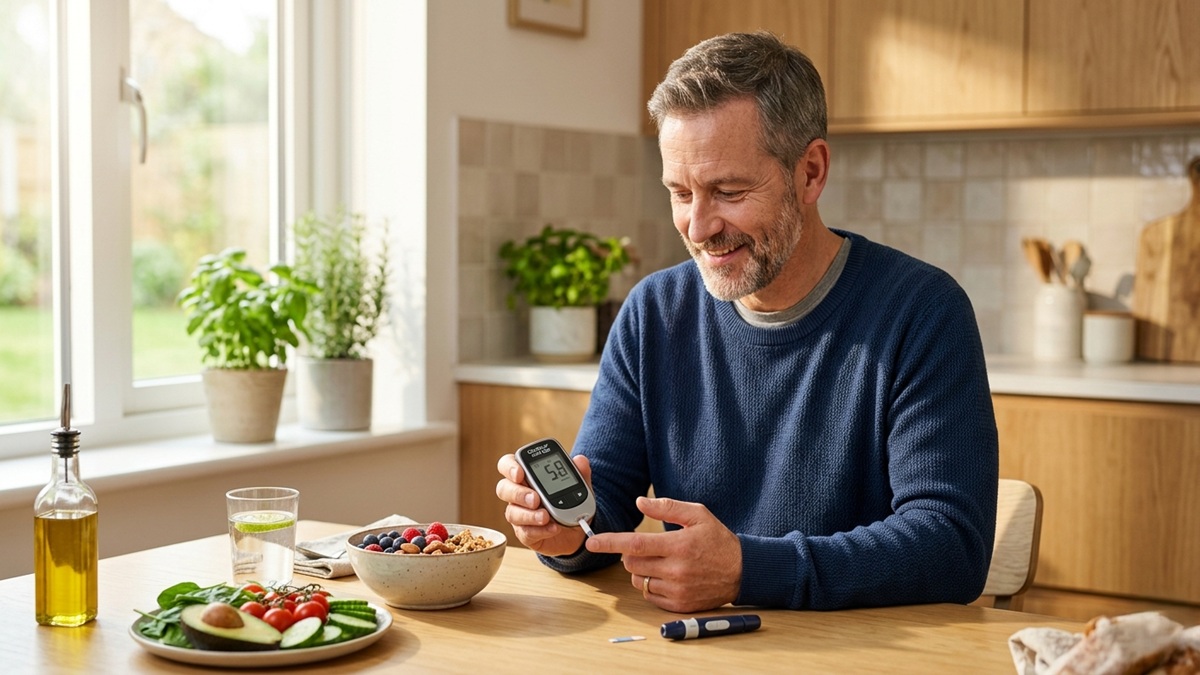
Have you been working hard to improve your blood sugar levels, only to feel discouraged when your glucose meter doesn’t seem to show much progress?
Many people make positive changes, eating healthier foods, cutting back on sugar, exercising regularly, getting more sleep, or taking supplements to support healthy blood sugar. Yet when they check their numbers, the results may not improve as quickly as they expected.
What many people don’t realise is that better blood sugar control often shows up in ways that go far beyond a single reading on a glucose meter. In fact, your body may be giving you important signs that your efforts are working long before dramatic changes appear in your daily numbers.
You may notice more stable energy throughout the day, fewer cravings for sweets, better sleep, improved focus, or even a reduced appetite between meals. These changes can be powerful indicators that your blood sugar management strategy is moving in the right direction.
In this article, we will explore seven encouraging signs your blood sugar control is improving, explain why they matter, and show you how to recognise meaningful progress beyond what your glucose meter shows. Sometimes the most important improvements are the ones you can feel before you can measure them.
Why Your Glucose Meter Doesn’t Tell the Whole Story
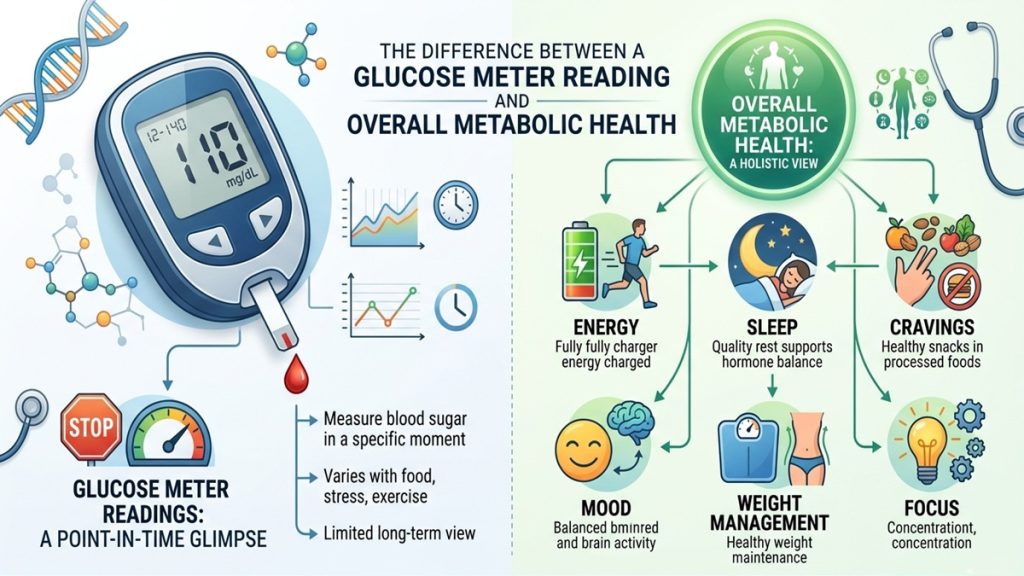
If you have been checking your blood sugar regularly, it’s easy to assume that the numbers on your glucose meter are the only thing that matters. While those readings are important, they don’t always provide a complete picture of what’s happening inside your body.
Blood sugar improvement is often a gradual process. Many of the positive changes associated with better glucose control can begin long before you see dramatic improvements in your daily readings.
Daily Readings Can Fluctuate Naturally
Blood sugar levels naturally rise and fall throughout the day. What you eat, how active you are, your stress levels, sleep quality, hydration, and even illness can affect your readings.
Because of these normal fluctuations, a single high reading doesn’t necessarily mean you are failing, just as one good reading doesn’t automatically mean everything is perfect. Looking at long-term trends is often more useful than focusing on individual numbers.
Health Improvements Often Appear Before Numbers Improve
As your body responds to healthier habits, you may begin noticing positive changes that aren’t immediately reflected on your glucose meter. You might feel more energetic, experience fewer cravings, sleep better, or find it easier to maintain a healthy weight.
These improvements can be early signs that your blood sugar management efforts are starting to work.
Looking at the Bigger Picture of Metabolic Health
Good blood sugar control isn’t just about reaching a specific number. It’s also about improving your overall metabolic health and helping your body use glucose more efficiently.
That’s why it’s important to pay attention to how you feel, not just what your meter says. In the next sections, we will explore seven encouraging signs that your blood sugar control may be improving, even if the numbers haven’t fully caught up yet.
Sign #1: You Have More Consistent Energy Throughout the Day

One of the earliest signs your blood sugar control is improving is having steadier energy from morning to evening. If you have ever felt energised after a meal only to crash a few hours later, fluctuating blood sugar levels may have been part of the problem.
As your body becomes better at managing glucose, energy levels often become more stable and predictable.
Why Blood Sugar Swings Cause Fatigue
When blood sugar rises quickly and then drops sharply, your body can struggle to maintain a steady supply of energy. This roller-coaster effect may leave you feeling tired, sluggish, irritable, or mentally drained.
Many people mistakenly assume they simply need more caffeine when, in reality, unstable blood sugar may be contributing to their fatigue.
What Stable Energy Feels Like
Improved blood sugar control doesn’t necessarily make you feel supercharged. Instead, it often feels like the absence of extreme highs and lows.
You may notice that you are no longer fighting afternoon exhaustion, reaching for sugary snacks to stay awake, or feeling completely drained after meals. Daily tasks may seem easier because your energy remains more consistent throughout the day.
When Energy Improvements Usually Appear
For many people, better energy is one of the first noticeable benefits of healthier eating habits, regular physical activity, improved sleep, and blood sugar-friendly lifestyle changes.
While everyone’s experience is different, feeling more alert and less fatigued can be a strong indication that your body is responding positively, even if your glucose meter hasn’t shown dramatic changes yet.
Sign #2: Your Sugar Cravings Are Becoming Easier to Control

Do you find yourself reaching for fewer sweets than you used to? If so, that’s often a positive sign that your blood sugar control is improving.
Strong cravings for sugary foods can sometimes be linked to unstable blood sugar levels. When glucose rises and falls rapidly, your body may signal you to seek quick sources of energy, often in the form of sweets, sugary drinks, or processed snacks.
The Blood Sugar-Craving Cycle
When you eat foods high in sugar or refined carbohydrates, blood sugar can rise quickly. This is often followed by a drop that leaves you feeling hungry, tired, or craving even more sugar.
Over time, this cycle can become difficult to break. Many people feel trapped in a pattern of constantly wanting something sweet, even shortly after eating.
Why Fewer Cravings Often Signal Better Glucose Stability
As blood sugar becomes more balanced, these intense cravings often begin to fade. Your body receives a steadier supply of energy, reducing the urge to chase quick sugar fixes throughout the day.
You may notice that passing on dessert feels easier or that you are no longer thinking about snacks between meals.
Foods That Help Reduce Cravings
Protein-rich foods, healthy fats, fibre-rich vegetables, legumes, and low glycaemic index foods can help support stable blood sugar levels and keep you feeling satisfied for longer.
If your cravings are becoming less intense and less frequent, it’s a strong indication that your blood sugar management efforts may be paying off.
Sign #3: You are Sleeping Better at Night

A good night’s sleep does more than help you feel rested; it also plays an important role in healthy blood sugar regulation. If you are sleeping more soundly than before, it could be a sign that your blood sugar control is moving in the right direction.
Many people are surprised to learn that sleep and blood sugar influence each other. Poor sleep can make blood sugar management more difficult, while unstable blood sugar levels can interfere with quality sleep.
How Blood Sugar Affects Sleep Quality
When blood sugar levels fluctuate significantly, your body may have a harder time maintaining restful sleep. Some people experience nighttime discomfort, restlessness, or wake up feeling unrefreshed even after spending enough time in bed.
Over time, these disruptions can contribute to daytime fatigue and make it harder to maintain healthy habits.
Nighttime Glucose Fluctuations and Sleep Disruptions
Large swings in blood sugar can sometimes affect the body’s natural sleep cycle. This may lead to frequent awakenings, difficulty staying asleep, or feeling tired shortly after waking up.
As blood sugar becomes more stable, many people notice fewer interruptions during the night and a more consistent sleep pattern.
Signs Sleep Is Improving
You may find yourself falling asleep more easily, waking up less often, or feeling more refreshed in the morning. Better sleep can also lead to improved mood, sharper focus, and more stable energy during the day.
If your sleep quality has noticeably improved, it may be another encouraging sign that your efforts to support healthy blood sugar levels are paying off.
Sign #4: You Feel Less Hungry Between Meals

Have you noticed that you are no longer searching the kitchen for a snack an hour or two after eating? Feeling less hungry between meals can be an encouraging sign that your blood sugar control is improving.
When blood sugar levels are unstable, hunger often follows close behind. Rapid rises and drops in glucose can leave you feeling as though your body constantly needs more food, even when you have recently eaten.
The Relationship Between Glucose and Appetite
Blood sugar plays an important role in regulating hunger and fullness. When glucose levels spike and then fall quickly, your brain may interpret the drop as a signal that you need more energy.
This can trigger feelings of hunger, cravings, and the urge to snack more frequently throughout the day.
Why Stable Blood Sugar Helps Control Hunger
As your blood sugar becomes more balanced, your body is better able to access and use energy from the food you have already eaten. This often leads to more consistent feelings of fullness and fewer sudden hunger pangs.
Many people find they can comfortably go longer between meals without feeling deprived or constantly thinking about food.
What Healthy Satiety Looks Like
Healthy satiety means feeling satisfied after a meal without being overly full. You may notice that your meals keep you energised for longer and that you are less likely to reach for snacks out of habit.
If you are experiencing fewer hunger swings between meals, it’s another positive clue that your blood sugar management efforts may be working.
Sign #5: Your Weight Is Gradually Moving in the Right Direction

While the number on the scale doesn’t tell the whole story, gradual changes in your weight can sometimes be a sign that your blood sugar control is improving. If you have been making healthier food choices, staying active, and supporting stable blood sugar levels, your body may begin responding in positive ways over time.
It’s important to focus on steady progress rather than dramatic weight loss. Sustainable improvements are often a better indicator of long-term health.
Blood Sugar and Weight Gain
When blood sugar levels are frequently elevated, the body may have a harder time using glucose efficiently. This can contribute to increased hunger, overeating, and challenges with weight management.
Combined with strong cravings and energy crashes, unstable blood sugar can make it difficult to maintain healthy habits consistently.
Why Insulin Sensitivity Matters
As your body becomes more sensitive to insulin, it can use glucose more effectively for energy instead of storing excess amounts. Improved insulin sensitivity is often associated with better blood sugar management and may support healthier weight regulation over time.
This process doesn’t happen overnight, but small improvements can add up.
Healthy Expectations for Weight Changes
The goal isn’t rapid weight loss. Instead, look for gradual, sustainable changes such as a slowly decreasing waistline, better-fitting clothes, or modest shifts on the scale over several weeks or months.
If your weight is moving in a healthier direction while other signs are improving too, it may be another indication that your blood sugar management efforts are paying off.
Sign #6: Your Mood and Mental Focus Are Improving

Blood sugar doesn’t just affect your physical health; it also plays an important role in how you think, feel, and function throughout the day. If you have noticed that you are feeling more focused, mentally sharper, or emotionally balanced, it could be another sign that your blood sugar control is improving.
Many people associate blood sugar only with energy levels, but the brain relies heavily on a steady supply of glucose to perform at its best.
The Blood Sugar-Brain Connection
When blood sugar levels fluctuate significantly, it can affect concentration, decision-making, and emotional well-being. Sudden drops in blood sugar may leave you feeling irritable, distracted, anxious, or mentally drained.
Over time, these ups and downs can make it difficult to stay productive and focused throughout the day.
Brain Fog vs. Stable Concentration
Brain fog is a common complaint among people struggling with blood sugar imbalances. It may feel like you are constantly forgetting things, having trouble concentrating, or lacking mental clarity.
As blood sugar becomes more stable, many people report clearer thinking, improved memory, and an easier time staying focused on daily tasks.
Emotional Benefits of Better Blood Sugar Control
Improved blood sugar management may also contribute to a more balanced mood. You may notice fewer mood swings, less irritability, and a greater sense of emotional stability.
If you are thinking more clearly and feeling more emotionally steady than before, your body could be giving you another encouraging sign that your blood sugar management efforts are working.
Sign #7: Your Blood Sugar Readings Are Becoming More Predictable
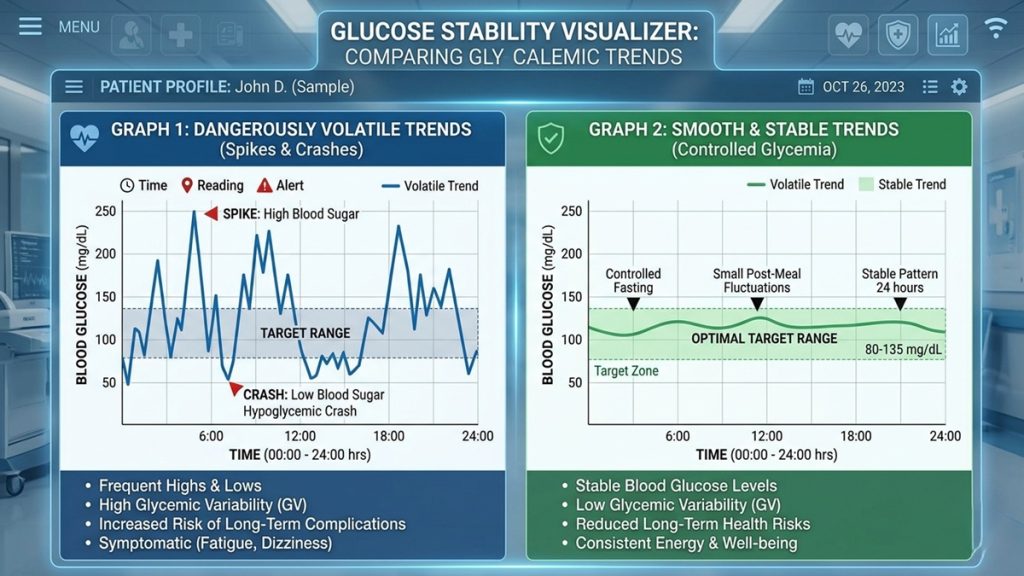
While this article focuses on signs beyond your glucose meter, your readings still matter. In fact, one of the strongest indicators that your blood sugar control is improving is when your numbers become more consistent and predictable over time.
Many people expect immediate drops in their blood sugar readings. However, progress often shows up first as greater stability rather than dramatic changes.
Consistency Matters More Than Perfection
It’s easy to get discouraged by an occasional high reading, but healthy blood sugar management is not about achieving perfect numbers every day. Even people with excellent habits experience normal fluctuations.
What matters more is whether your readings are becoming less erratic and easier to understand. Consistent patterns often suggest that your body is responding well to your lifestyle changes.
Why Smaller Glucose Swings Are a Good Sign
Large spikes and crashes can place extra stress on your body’s glucose regulation system. As blood sugar control improves, these extreme swings often become less frequent.
You may notice that your readings stay within a narrower range throughout the day, even after meals. This can be a positive sign that your body is managing glucose more efficiently.
Looking Beyond Individual Numbers
Instead of focusing on individual readings, pay attention to trends over weeks and months, if your highs are becoming less extreme, your lows are occurring less often, and your numbers are growing more predictable, these changes, together with improvements in energy, cravings, sleep, hunger, weight, and mental focus, are often strong signs that your blood sugar management efforts are moving in the right direction.
Other Positive Signs Your Metabolic Health Is Improving
The seven signs we have covered are some of the most common indicators of improving blood sugar control, but they aren’t the only ones. Your body is constantly sending signals about your overall metabolic health, and paying attention to these subtle changes can help you stay motivated on your journey.
Here are a few additional clues that your healthy habits may be making a difference.
Better Exercise Recovery
Have you noticed that you are recovering more quickly after walks, workouts, or other physical activities? Improved metabolic health can support more efficient energy use and recovery.
You may find that you have less post-exercise fatigue, fewer energy crashes, or greater endurance during activities that once felt challenging.
Improved Waist Circumference
Even if the scale hasn’t changed much, your waist measurement may tell a different story. Some people notice their clothes fitting more comfortably before they see significant weight loss.
A gradual reduction in waist size can be a positive sign that your body is responding well to healthier eating patterns and increased physical activity.
Healthier Eating Habits Becoming Automatic
One often-overlooked sign of progress is when healthy choices start feeling easier. You may naturally reach for more nutritious foods, drink more water, or feel less tempted by sugary snacks.
These behavioural changes can help support long-term blood sugar management and are worth celebrating.
Improved HbA1c Results Over Time
Unlike a single glucose reading, HbA1c reflects your average blood sugar levels over the past few months. Improvements in this marker can provide valuable insight into your long-term progress.
While it takes time to change, a healthier HbA1c result can be one of the clearest signs that your blood sugar management efforts are paying off.
Common Mistakes People Make When Tracking Blood Sugar Progress
Improving blood sugar control is often a gradual journey, not an overnight transformation. Unfortunately, many people become discouraged because they focus on the wrong indicators or expect results too quickly.
Understanding these common mistakes can help you track your progress more accurately and stay motivated for the long term.
Obsessing Over Daily Fluctuations
Blood sugar naturally changes throughout the day. Factors such as meals, stress, sleep, exercise, hydration, and even illness can affect your readings.
One higher-than-expected number does not erase weeks of healthy choices. Instead of judging your progress based on a single reading, focus on patterns and trends over time.
Ignoring Lifestyle Improvements
Many people focus only on glucose readings while overlooking other positive changes. More energy, better sleep, reduced cravings, improved focus, and healthier eating habits are all meaningful signs of progress.
These improvements often appear before major changes show up on a glucose meter.
Comparing Results With Others
Every person’s body responds differently. Factors such as age, genetics, activity level, medications, and overall health can influence blood sugar management.
Comparing your progress to someone else’s can create unnecessary frustration and unrealistic expectations. The most important comparison is how you are doing today versus where you started.
Expecting Immediate Changes
Many healthy habits take time to produce measurable results. Blood sugar control improves through consistent daily choices, not quick fixes.
Rather than looking for dramatic overnight improvements, focus on steady progress. Small changes repeated consistently can lead to significant long-term benefits for both blood sugar control and overall metabolic health.
How to Support Continued Blood Sugar Improvement
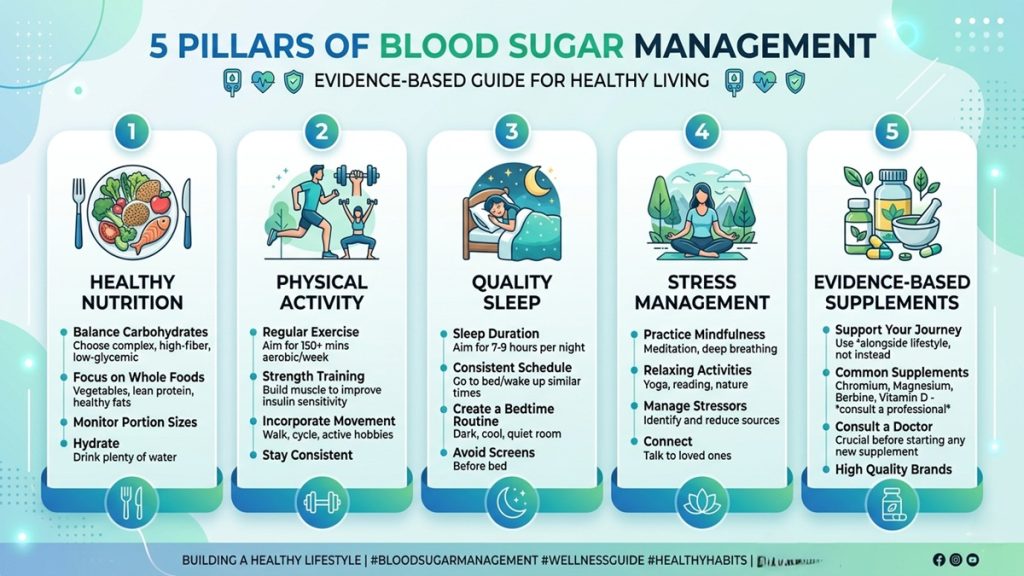
If you have noticed some of the positive signs discussed in this article, that’s encouraging news. The next step is maintaining the habits that helped you get there. Blood sugar management isn’t about being perfect; it’s about making consistent choices that support your long-term health.
Fortunately, even small daily actions can make a meaningful difference over time.
Focus on Low GI Foods
One of the most effective ways to support healthy blood sugar levels is to choose foods that digest more slowly and cause a more gradual rise in blood glucose.
Examples include non-starchy vegetables, legumes, nuts, seeds, whole grains, and protein-rich foods. These foods can help promote steady energy, reduce cravings, and support better appetite control.
Try building meals around fibre, protein, and healthy fats rather than relying heavily on refined carbohydrates and sugary snacks.
Prioritize Sleep
Sleep is often overlooked, but it’s a critical part of blood sugar management. Consistently getting enough quality sleep helps support healthy hormone balance, energy levels, and glucose regulation.
Aim for a regular sleep schedule and create a relaxing bedtime routine whenever possible.
Stay Physically Active
You don’t need an intense workout program to benefit from movement. Activities such as walking, cycling, gardening, or light strength training can help your body use glucose more effectively.
The key is consistency. Regular movement throughout the week is often more beneficial than occasional bursts of intense exercise.
Manage Stress
Chronic stress can make blood sugar management more challenging. Finding healthy ways to manage stress, such as deep breathing, meditation, hobbies, or spending time outdoors, may help support overall metabolic health.
Consider Evidence-Based Supplements
Some people choose to complement healthy lifestyle habits with blood sugar support supplements. While supplements are not a substitute for a balanced diet and regular exercise, certain ingredients may help support healthy glucose metabolism as part of a broader wellness plan.
If you are considering a supplement, look for products with transparent ingredient lists, appropriate dosages, and a strong reputation for quality. It’s also wise to consult a healthcare professional if you have existing medical conditions or take medications.
When to Talk to a Healthcare Professional
While lifestyle changes can play an important role in supporting healthy blood sugar levels, they shouldn’t replace professional medical care. Regular checkups and appropriate testing can help you understand your progress and identify potential issues early.
Warning Signs That Need Medical Attention
It’s important to speak with a healthcare professional if you experience symptoms such as excessive thirst, frequent urination, unexplained weight loss, persistent fatigue, blurred vision, or consistently abnormal blood sugar readings.
These symptoms may indicate an underlying issue that requires medical evaluation and treatment.
Importance of Regular Testing
Even if you are feeling better, regular testing remains important. Blood sugar readings, HbA1c tests, and other health markers can provide valuable information about how well your management plan is working.
Routine monitoring can also help detect changes before symptoms become noticeable.
Monitoring Long-Term Progress
Blood sugar control is a long-term commitment, and professional guidance can help you make informed decisions along the way. A healthcare provider can review your results, recommend adjustments when necessary, and help you create a personalised plan that fits your needs.
Combining healthy lifestyle habits with regular medical support is often the most effective approach to maintaining long-term metabolic health and blood sugar control.
Frequently Asked Questions
The timeline varies from person to person. Some people notice improvements in energy, cravings, and sleep within a few weeks of making healthier lifestyle changes. However, measurable improvements in blood sugar readings and HbA1c levels often take longer. Consistency is usually more important than speed.
Yes. Many people experience positive changes such as better energy, reduced hunger, improved focus, and fewer sugar cravings before seeing significant changes on their glucose meter. These early improvements can be encouraging signs that healthier habits are working.
One of the most commonly reported early signs is more consistent energy throughout the day. Many people also notice fewer cravings, improved sleep quality, and reduced hunger between meals.
It can. Frequent sugar cravings are often associated with unstable blood sugar levels. As glucose regulation improves, cravings may become less intense and easier to manage.
The ideal testing frequency depends on your health status, goals, and any recommendations from your healthcare provider. Some people benefit from daily monitoring, while others may need less frequent testing.
Certain supplements may support healthy blood sugar management when combined with a balanced diet, regular physical activity, and other healthy habits. However, supplements should not be viewed as a replacement for lifestyle changes or professional medical advice.
Foods rich in fibre, protein, and healthy fats can help support more stable blood sugar levels. Examples include vegetables, legumes, nuts, seeds, lean proteins, and whole grains. Limiting highly processed foods and sugary snacks may also help promote better glucose control.
In Conclusion
Improving blood sugar control is rarely a straight or instantly visible process. Many of the most meaningful changes happen quietly in the background before they fully show up on a glucose meter.
If you have noticed better energy, fewer cravings, improved sleep, steadier mood, or more predictable readings, those are all valuable signs that your efforts are moving in the right direction. Even small improvements matter because they often build on each other over time.
The key is to look beyond single numbers and focus on the bigger picture of how your body feels and functions day to day. Progress is not defined by perfection, but by consistency and direction.
Stay patient with the process, keep building supportive habits, and pay attention to the subtle signals your body gives you. Over time, those signals often become clearer evidence that your blood sugar control is improving sustainably.
Related posts