
The Truth About Oats and Smoothies: 3 “Healthy” Foods That Can Raise Blood Sugar Fast

The Truth About Oats and Smoothies: 3 “Healthy” Foods That Can Raise Blood Sugar Fast

You have probably heard it a thousand times: eat oatmeal instead of sugary cereal, swap soda for smoothies, and choose “healthy” snacks to support better energy and weight control. And to be fair, many of these foods can be part of a balanced diet.
But here’s the surprising part: some foods that are marketed as healthy may still cause blood sugar spikes, especially when they are highly processed, packed with hidden sugars, or missing important nutrients like protein and fibre.
That matters more than many people realise.
Frequent blood sugar spikes can leave you feeling tired, hungry, irritable, and craving more sugar shortly after eating. Over time, they may also contribute to weight gain, insulin resistance, and increased risk of Type 2 diabetes, even in people who believe they are making healthy choices.
The good news? You don’t need to fear food or completely eliminate your Favorite meals. In many cases, small changes in how you prepare or combine foods can make a big difference in how your body responds.
In this article, we will break down 3 common “healthy” foods that can raise blood sugar faster than expected, including oats, smoothies, and popular snack options. More importantly, you will learn smarter swaps and simple strategies that can help support more stable energy, fewer cravings, and healthier blood sugar levels throughout the day.
Because eating healthy shouldn’t leave you feeling worse.
Why Blood Sugar Spikes Matter More Than Most People Realise
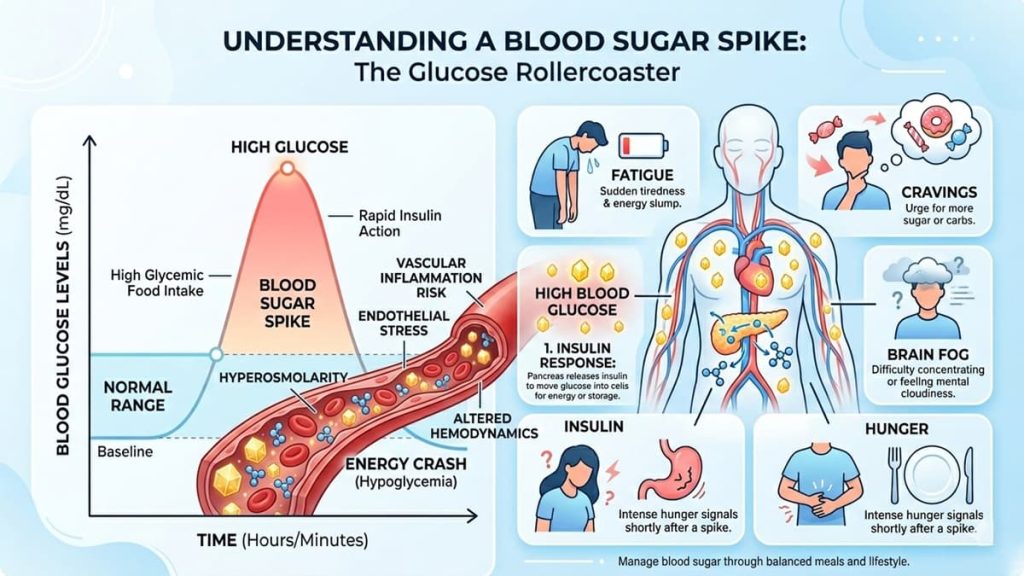
Most people only think about blood sugar when diabetes is mentioned. But the truth is, blood sugar affects almost everyone, including people who consider themselves relatively healthy.
Every time you eat carbohydrates, your body breaks them down into glucose, which enters your bloodstream and provides energy. That’s completely normal. Problems begin when blood sugar rises too quickly and too often.
Certain foods, especially highly processed carbohydrates, sugary drinks, and even some “healthy” convenience foods, can cause rapid spikes in blood sugar levels. In response, the body releases insulin to bring those levels back down. When this cycle happens repeatedly, it can lead to energy crashes, cravings, mood swings, and increased hunger shortly after eating.
Over time, frequent blood sugar spikes may also make it harder for the body to respond properly to insulin, a condition known as insulin resistance. This is one of the major risk factors linked to prediabetes and Type 2 diabetes.
The challenging part is that many people don’t immediately connect their everyday symptoms to unstable blood sugar.
What Happens During a Blood Sugar Spike?
Think of a blood sugar spike like a sudden surge of energy followed by a sharp drop. You might feel temporarily energised after eating a sugary breakfast or carb-heavy snack, but that feeling often doesn’t last long.
As blood sugar rises quickly, insulin works to move glucose out of the bloodstream and into cells. If the spike is large, blood sugar can sometimes fall rapidly afterwards, leaving you feeling tired, shaky, hungry, or mentally foggy.
This cycle can create a frustrating pattern:
- Eat something sweet or highly processed
- Feel better briefly
- Crash a short time later
- Crave more sugar or carbs again
That rollercoaster effect is one reason many people struggle with constant snacking and low energy throughout the day.
Common Symptoms of Unstable Blood Sugar
Blood sugar imbalances don’t always appear dramatically at first. In many cases, the signs are subtle and easy to ignore.
Some common symptoms include:
- Afternoon fatigue
- Brain fog
- Sugar cravings
- Feeling hungry soon after meals
- Mood swings or irritability
- Difficulty losing weight
- Low energy after eating
- Increased belly fat
Of course, these symptoms can have many causes, but unstable blood sugar is often an overlooked factor.
The encouraging news is that small dietary changes can make a noticeable difference. Choosing foods that digest more slowly, combining carbohydrates with protein and healthy fats, and reducing hidden sugars can help support steadier energy and more balanced blood sugar levels throughout the day.
Healthy Food #1: Instant Oatmeal
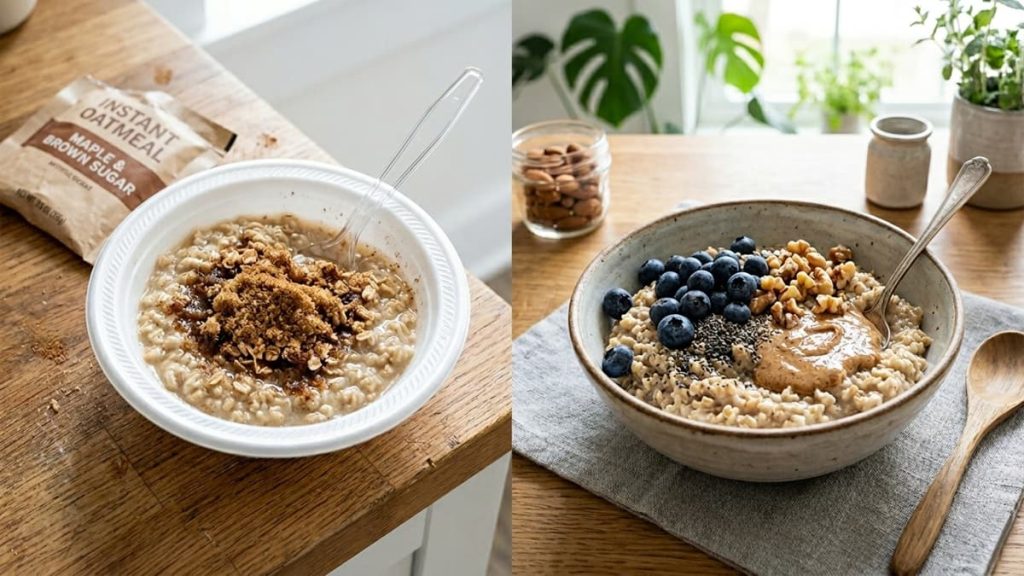
Oatmeal has long been promoted as one of the healthiest breakfast choices, and in many ways, it deserves that reputation. Oats contain fibre, vitamins, minerals, and compounds that may support heart health and digestion.
But when it comes to blood sugar, not all oatmeal is created equal.
Some types of oatmeal, especially heavily processed instant varieties, can raise blood sugar much faster than many people expect. That doesn’t mean you need to avoid oats completely. The key is understanding how processing and added ingredients can change the way your body responds.
Why Oats Aren’t Always the Problem
Whole oats naturally contain a type of soluble fibre called beta-glucan, which can help slow digestion and support steadier blood sugar levels. Less processed oats also take longer for the body to break down, which helps you feel full longer.
The problem starts when oats are processed into quick-cooking or instant forms.
Instant oatmeal is steamed, rolled thinner, and pre-cooked so it can be prepared in minutes. While convenient, this processing makes the carbohydrates easier and faster to digest. As a result, blood sugar may rise more quickly compared to less processed options like steel-cut oats or old-fashioned rolled oats.
Texture can also be a clue. The softer and more refined the oats become, the faster they are often absorbed by the body.
This is why two bowls of oatmeal can affect people very differently, depending on the type of oats used and what’s added to them.
The Blood Sugar Problem With Flavoured Oatmeal
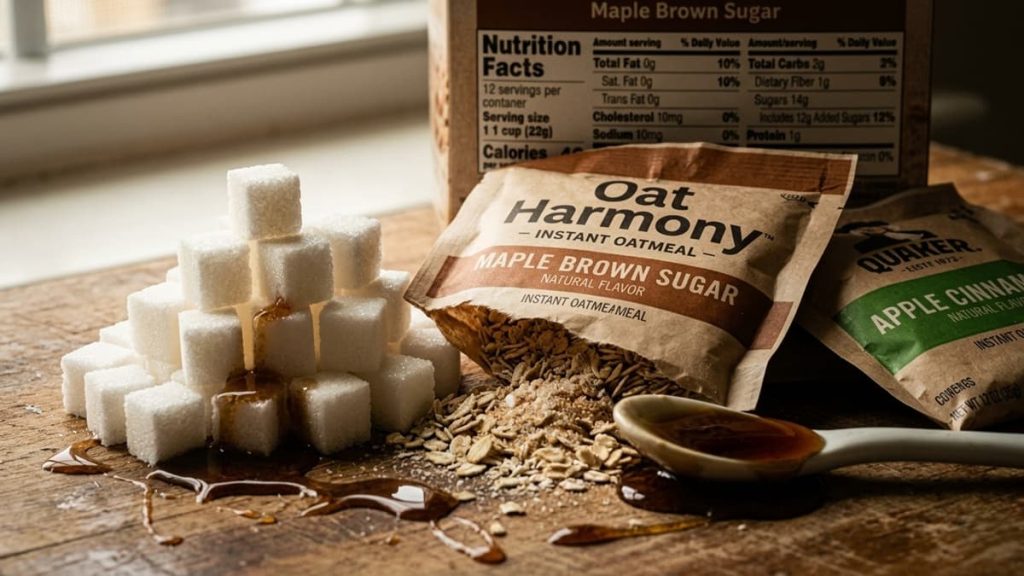
Many packaged oatmeal products contain far more than just oats.
Flavoured instant oatmeal packets are often loaded with added sugars, sweeteners, syrups, and artificial flavourings. Some varieties contain as much sugar as certain breakfast cereals, especially options labelled “maple brown sugar,” “apple cinnamon,” or “honey vanilla.”
Even when the sugar content doesn’t look extremely high, these meals are often low in protein and healthy fats, which means they may not keep you full for very long.
That can lead to:
- Energy crashes mid-morning
- Increased hunger shortly after breakfast
- Sugar cravings later in the day
- More snacking between meals
For people trying to support healthy blood sugar levels, this combination can become a daily cycle.
Better Blood Sugar-Friendly Alternatives
The good news is that oatmeal can still be part of a balanced breakfast with a few simple adjustments.
Instead of flavoured instant packets, consider:
- Steel-cut oats
- Old-fashioned rolled oats
- Unsweetened oatmeal varieties
To help slow digestion and reduce blood sugar spikes, try pairing oats with:
- Protein sources like Greek yoghurt, eggs, or protein powder
- Healthy fats such as chia seeds, walnuts, or almond butter
- Fibre-rich toppings like berries or flaxseeds
For example, a bowl of steel-cut oats with cinnamon, blueberries, and a spoonful of almond butter will usually affect blood sugar differently than sugary instant oatmeal made with flavoured syrup packets.
Small upgrades like these can help create a breakfast that feels satisfying, supports steadier energy, and helps reduce the blood sugar rollercoaster many people experience after eating highly processed breakfast foods.
Healthy Food #2: Fruit Smoothies

Smoothies are often seen as the ultimate healthy meal. They are colourful, packed with fruit, quick to prepare, and heavily promoted across social media and wellness blogs.
And to be fair, smoothies can be nutritious.
The problem is that many popular smoothies contain far more sugar and fast-digesting carbohydrates than people realise. In some cases, a large smoothie can deliver as much sugar as a soft drink, especially when multiple fruits, juices, sweetened yoghurts, and syrups are blended together in one glass.
Because smoothies are liquid, the body can also absorb them more quickly than whole foods, which may lead to faster blood sugar spikes and shorter-lasting fullness.
For people trying to support stable energy, manage cravings, or improve insulin resistance, that can become a problem.
Why Smoothies Can Become Sugar Bombs
One of the biggest issues with smoothies is portion overload.
It’s easy to blend several servings of fruit into a single drink without noticing how much sugar you are consuming. For example, a smoothie made with bananas, mangoes, fruit juice, flavoured yoghurt, and honey may taste healthy, but it can contain a very high amount of natural and added sugars.
Another problem is the lack of balance.
Many smoothies are built almost entirely around carbohydrates while missing nutrients that help slow digestion, such as protein, fibre, and healthy fats. Without those balancing nutrients, glucose enters the bloodstream more rapidly, increasing the likelihood of blood sugar spikes followed by energy crashes.
Even store-bought smoothies can be misleading. Labels like “green,” “immune boosting,” or “all natural” don’t always mean blood sugar-friendly.
“Healthy” Smoothie Ingredients That Spike Glucose
Not every smoothie ingredient affects the body the same way. Some common additions can raise sugar content quickly when used in large amounts.
Ingredients that may contribute to faster blood sugar spikes include:
- Fruit juice bases
- Sweetened yogurt
- Honey or agave syrup
- Large amounts of tropical fruit
- Frozen yoghurt or sherbet
- Sweetened protein powders
Even healthy fruits like bananas, pineapples, and mangoes can become problematic when several servings are blended together without enough protein or fibre to slow absorption.
This doesn’t mean fruit is “bad.” Whole fruit still provides vitamins, antioxidants, and fibre. The issue is often the quantity and combination of ingredients used in many commercial or homemade smoothies.
How to Build a Blood Sugar-Friendly Smoothie
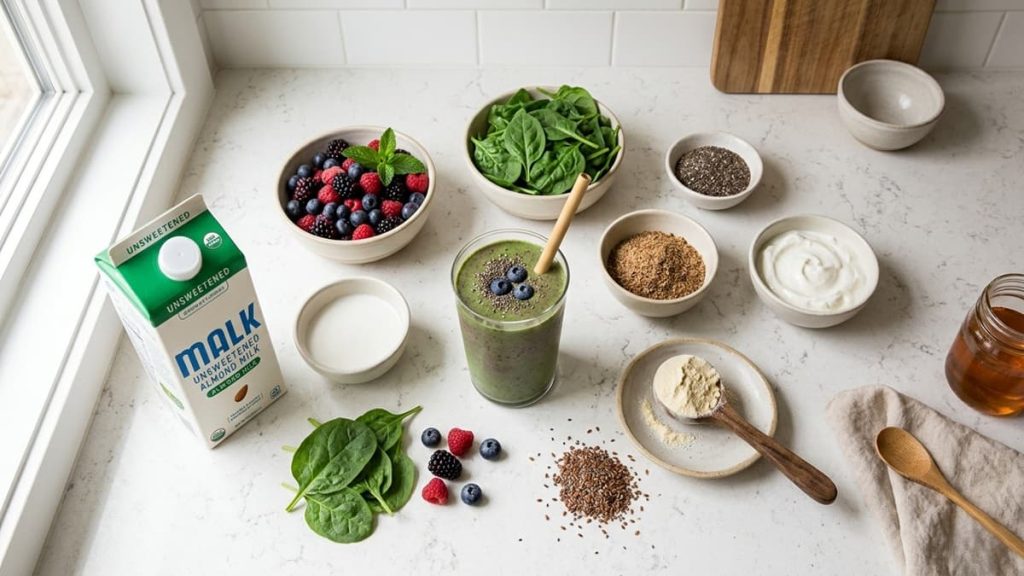
The good news is that smoothies don’t need to disappear from your routine. A few smart adjustments can make them much more balanced and satisfying.
Instead of building smoothies around mostly fruit, focus on creating a combination that includes:
- Protein
- Fiber
- Healthy fats
- Lower-sugar ingredients
Some better smoothie additions include:
- Unsweetened Greek yoghurt
- Protein powder with no added sugar
- Chia seeds or flaxseeds
- Spinach or kale
- Unsweetened almond milk
- Berries instead of large amounts of tropical fruit
For example, a smoothie made with berries, spinach, chia seeds, unsweetened almond milk, and protein powder will generally affect blood sugar much differently than a fruit-heavy smoothie made with juice and sweetened yoghurt.
The goal isn’t perfection, it’s balance. When smoothies include the right ingredients, they can support steadier energy, better fullness, and healthier blood sugar control without sacrificing convenience or taste.
Healthy Food #3: Granola and Protein Bars
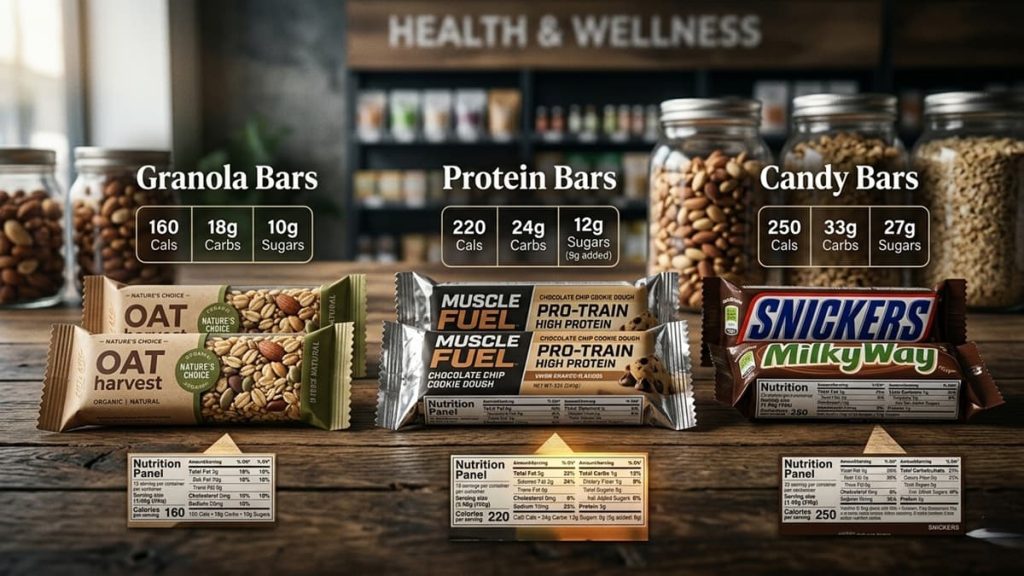
Granola and protein bars are often marketed as convenient health foods for busy lifestyles. They are easy to carry, require no preparation, and are commonly labelled with terms such as “natural,” “high protein,” “whole grain,” or “energy boosting.”
But despite the healthy branding, many of these products are surprisingly high in added sugars and processed carbohydrates.
In some cases, a single granola bar or snack bar can contain as much sugar as a candy bar, yet still be perceived as a healthier choice. For people trying to manage blood sugar levels, that can be misleading.
The Marketing Halo Problem
Food packaging can strongly influence how healthy a product appears.
Words like:
- Organic
- Gluten-free
- Non-GMO
- Multigrain
- Natural
often create what experts sometimes call a “health halo.” These labels may sound reassuring, but they don’t automatically mean a product supports stable blood sugar.
Many granola products are made with oats coated in sweeteners like honey, syrup, or sugar to improve taste and texture. Protein bars can also be heavily processed and packed with sweeteners to make them more appealing.
Even bars marketed for fitness or weight loss may contain high amounts of sugar while offering only small amounts of fibre or protein.
That combination can leave people feeling hungry again shortly after eating.
Hidden Sugars to Watch For
One reason these products can be confusing is that sugar often appears under different names on ingredient labels.
Common hidden sugars include:
- Brown rice syrup
- Cane sugar
- Agave syrup
- Tapioca syrup
- Corn syrup
- Fruit juice concentrates
Some bars also contain dried fruits, chocolate coatings, yoghurt coatings, or sweetened nut butters that significantly increase sugar content.
The shorter and simpler the ingredient list, the better.
Smarter Snack Swaps
The good news is that convenient snacks can still fit into a blood sugar-friendly lifestyle.
Instead of relying on heavily sweetened bars, consider options that combine protein, fibre, and healthy fats naturally.
Some better choices include:
- A handful of nuts
- Greek yogurt
- Boiled eggs
- Apple slices with peanut butter
- Roasted chickpeas
- Low-sugar protein bars with higher fibre content
If you do buy granola or protein bars, pay attention to:
- Added sugar content
- Fiber amount
- Protein levels
- Ingredient quality
A balanced snack should help you feel satisfied and energised, not trigger another cycle of cravings and blood sugar crashes shortly afterwards.
The Real Issue Isn’t Just Sugar, It’s Blood Sugar Balance
When people think about blood sugar problems, they often focus only on avoiding sugar. But maintaining healthy blood sugar levels is usually about more than cutting out desserts or sugary drinks.
The bigger goal is creating balance.
Even foods that contain natural carbohydrates, including oats, fruit, and whole grains, can fit into a healthy diet when they are combined properly. What matters most is how quickly glucose enters the bloodstream and how well your meals help support steady energy over time.
That’s why two meals with similar calorie counts can affect the body very differently.
The Importance of Protein, Fibre, and Healthy Fats
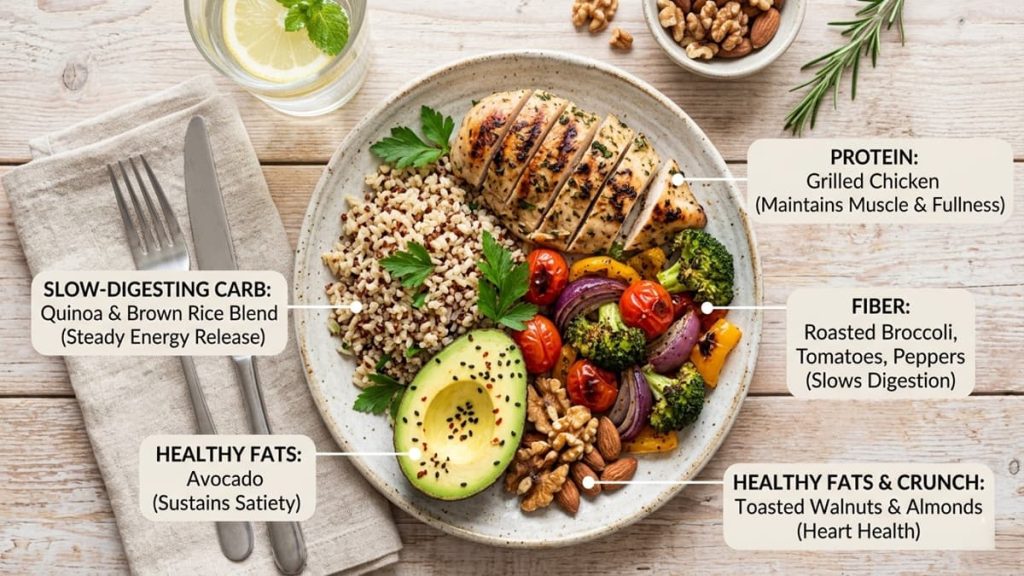
Protein, fibre, and healthy fats help slow digestion and reduce how quickly carbohydrates are absorbed.
When meals contain only fast-digesting carbs, blood sugar tends to rise rapidly and fall just as quickly afterwards. But adding balance to meals can help create a slower, steadier release of energy.
For example:
- Adding eggs or Greek yoghurt to breakfast increases protein
- Chia seeds and vegetables add fibre
- Nuts, avocado, or nut butter provide healthy fats
These nutrients can help you stay full longer while reducing cravings and energy crashes later in the day.
How Food Pairing Can Reduce Glucose Spikes
Simple food combinations can make a noticeable difference in blood sugar response.
For instance:
- Eating fruit with nuts may slow sugar absorption
- Pairing oatmeal with protein can improve fullness
- Choosing whole foods instead of liquid calories may help stabilise energy levels
You don’t need a perfect diet to see improvements. Small changes in how meals are built often matter more than strict food rules.
Simple Habits That Help Stabilise Blood Sugar

Lifestyle habits also play a major role in blood sugar balance.
Helpful strategies include:
- Taking a short walk after meals
- Getting enough sleep
- Managing stress levels
- Staying physically active
- Avoiding oversized portions of processed carbohydrates
These habits may seem simple, but together they can help support more stable blood sugar, steadier energy, and better overall health over time.
Who Should Pay Attention to Blood Sugar Spikes?
Many people assume blood sugar management only matters for individuals with diabetes. But in reality, blood sugar balance can affect energy, appetite, weight, and overall health in a much wider group of people.
Frequent blood sugar spikes may be especially important for those dealing with:
- Prediabetes
- Type 2 diabetes
- Insulin resistance
- PCOS (polycystic ovary syndrome)
- Weight gain or difficulty losing weight
- Frequent cravings or energy crashes
Even people who appear healthy on the surface may experience unstable blood sugar without realising it.
Signs Your Blood Sugar May Be Less Stable Than You Think
Some common signs include:
- Feeling hungry shortly after meals
- Afternoon fatigue
- Strong sugar cravings
- Brain fog or poor concentration
- Mood swings or irritability
- Low energy despite eating regularly
These symptoms don’t automatically mean someone has a blood sugar problem, but they can sometimes point to imbalances worth paying attention to.
Why Early Awareness Matters
The earlier people begin supporting healthy blood sugar habits, the better.
Simple lifestyle changes, like choosing balanced meals, increasing protein and fibre, staying active, and reducing heavily processed foods, can help improve energy and support long-term health before bigger problems develop.
The goal isn’t perfection or fear around food. It’s learning how everyday choices affect the body and making small adjustments that feel realistic and sustainable over time.
Supplements and Nutrients That May Support Healthy Blood Sugar
While food choices and lifestyle habits play the biggest role in blood sugar balance, some people also explore supplements and nutrients that may help support healthy glucose metabolism alongside a balanced diet and regular exercise.
It’s important to remember that supplements are not magic solutions, and results can vary from person to person. However, certain ingredients have gained attention for their potential role in supporting insulin sensitivity and more stable blood sugar levels.
Common Nutrients Linked to Blood Sugar Support
Some of the most commonly discussed options include:
- Fibre supplements: May help slow digestion and reduce rapid glucose spikes after meals.
- Magnesium: Plays a role in insulin function and energy production.
- Chromium: Often studied for its potential effects on glucose metabolism.
- Cinnamon extract: May help support healthy blood sugar responses in some individuals.
- Berberine: A plant compound frequently researched for its possible metabolic benefits.
These supplements are often most effective when combined with healthy eating habits rather than used alone.
A Practical Approach to Blood Sugar Support
For many people, the foundation of healthy blood sugar still comes back to:
- Balanced meals
- Regular movement
- Better sleep
- Stress management
- Consistent eating habits
Some individuals may also choose to use blood sugar support supplements or glucose monitoring tools as part of their routine, especially when working toward long-term wellness goals.
As always, it’s a good idea to speak with a healthcare professional before starting new supplements, particularly for people taking medications or managing medical conditions.
Simple Daily Meal Upgrades for Better Blood Sugar Control

Improving blood sugar balance doesn’t always require a complete diet overhaul. In many cases, small daily changes can make a noticeable difference in energy, cravings, and overall health.
The goal isn’t to eat “perfectly.” It’s to build meals that help your body process carbohydrates more steadily and keep you feeling satisfied longer.
Start With a More Balanced Breakfast
Breakfast is one of the most common times people accidentally trigger blood sugar spikes.
Instead of meals built mostly around refined carbohydrates or sugar, try adding more:
- Protein
- Fiber
- Healthy fats
For example:
- Pair oatmeal with nuts or Greek yoghurt
- Add eggs alongside whole-grain toast
- Build smoothies with protein powder and chia seeds
A balanced breakfast can help support steadier energy throughout the day and reduce mid-morning cravings.
Be More Aware of Liquid Calories
Sugary coffee drinks, fruit juices, sodas, and heavily sweetened smoothies can raise blood sugar quickly because they’re digested faster than whole foods.
Whenever possible, choose:
- Water
- Unsweetened tea
- Sparkling water
- Lower-sugar smoothie options
Even small reductions in sugary drinks can have a meaningful impact over time.
Focus on Progress, Not Perfection
One of the most helpful habits is learning to pair carbohydrates with foods that slow digestion, such as protein, fibre, or healthy fats.
Simple examples include:
- Apple slices with peanut butter
- Rice paired with grilled chicken and vegetables
- Crackers with cheese or hummus
These small upgrades can help create more stable energy, fewer cravings, and better blood sugar control without making meals feel restrictive or complicated.
Frequently Asked Questions
Not necessarily. Less processed options like steel-cut or old-fashioned oats are usually better for blood sugar than sugary instant oatmeal packets. Pairing oats with protein and healthy fats may also help reduce blood sugar spikes.
Yes, some smoothies can spike blood sugar, especially those made with fruit juice, sweetened yoghurt, syrups, or large amounts of fruit. Adding protein, fibre, and healthy fats can help create a more balanced smoothie.
Foods rich in protein, fibre, and healthy fats may help support steadier blood sugar levels. Examples include eggs, nuts, vegetables, Greek yoghurt, beans, seeds, and minimally processed whole foods.
Whole fruit can still be part of a balanced diet for many people. Portion size, food combinations, and choosing less processed options often matter more than avoiding fruit entirely.
In Conclusion
Foods like oatmeal, smoothies, and granola bars aren’t automatically “bad,” but the way they are processed and prepared can have a big impact on blood sugar levels. The good news is that you don’t need extreme diets or perfection to make healthier choices. Small adjustments, like adding protein, reducing hidden sugars, and choosing less processed foods, can help support steadier energy, fewer cravings, and better long-term blood sugar balance.
Related posts