
Frequent Urination Could Be a Hidden Sign of Insulin Resistance. Here’s What Your Body May Be Warning You About

Frequent Urination Could Be a Hidden Sign of Insulin Resistance. Here’s What Your Body May Be Warning You About

Have you noticed you are going to the bathroom more often than usual lately, especially at night? Maybe you have brushed it off as drinking too much water, getting older, stress, or simply having a sensitive bladder. And while those things can sometimes play a role, frequent urination may also be your body’s way of signalling that something deeper is happening beneath the surface.
One often-overlooked possibility is insulin resistance, a condition that affects how your body responds to insulin and regulates blood sugar. In its early stages, insulin resistance can quietly trigger subtle symptoms that many people ignore for months or even years. Frequent urination is one of them.
When blood sugar levels begin rising, your kidneys work harder to remove excess glucose from the body. This process can lead to increased urination, dehydration, and even constant thirst. The tricky part is that these changes often happen gradually, making them easy to dismiss as “normal.”
The good news is that recognising these warning signs early may allow you to take action before more serious blood sugar problems develop. Small lifestyle changes, better nutrition habits, and improved metabolic awareness can make a meaningful difference over time.
In this article, we will explore the surprising connection between frequent urination and insulin resistance, other early symptoms to watch for, and practical ways to support healthy blood sugar balance naturally.
What Counts as “Frequent Urination”?
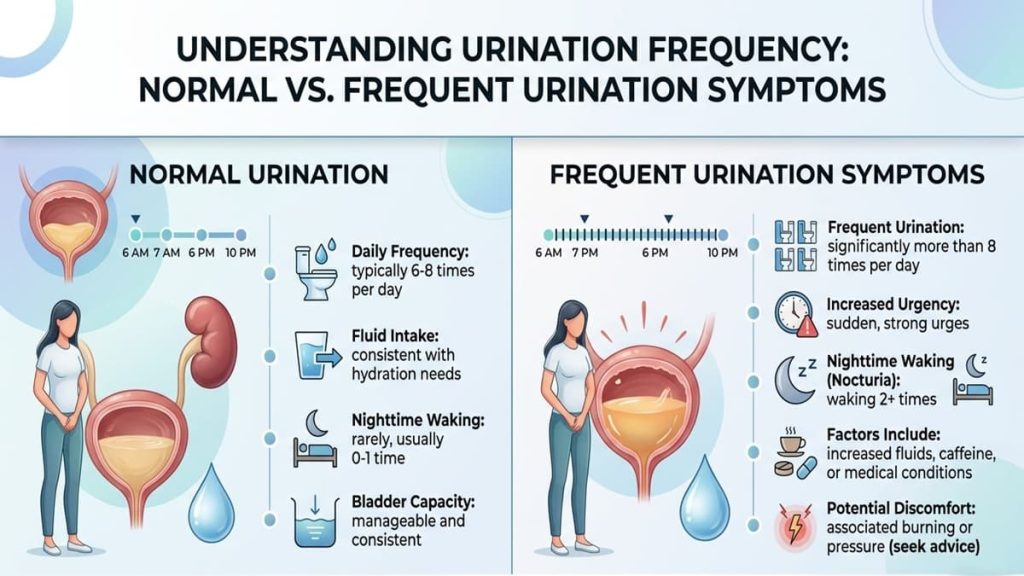
Most people don’t keep track of how often they use the bathroom until it starts interrupting daily life. Maybe you have noticed you are suddenly making more trips during the day, waking up several times at night, or feeling like you always need to know where the nearest restroom is. While occasional changes are normal, persistent, frequent urination can sometimes point to an underlying health issue, including blood sugar imbalance or insulin resistance.
The challenge is that “frequent urination” can look different from person to person. Factors like fluid intake, caffeine, medications, and activity levels all play a role. But when the pattern becomes consistent or comes with other symptoms, it’s worth paying attention.
How Often Is Considered Normal?
For most healthy adults, urinating around 6 to 8 times per day is considered fairly normal. Some people may go slightly more or less depending on how much water they drink, the weather, or how physically active they are.
It’s also common to wake up once during the night to urinate occasionally, especially after drinking fluids late in the evening. However, waking up multiple times every night, feeling an urgent need to urinate frequently, or noticing a sudden increase in bathroom trips without a clear reason may signal that something in the body has changed.
Certain beverages, especially coffee, alcohol, and energy drinks, can temporarily increase urination as well. But if reducing these doesn’t improve the issue, it may be time to look deeper.
When Frequent Urination May Signal a Bigger Health Issue
Frequent urination becomes more concerning when it appears alongside symptoms like excessive thirst, fatigue, blurry vision, sugar cravings, or unexplained weight changes. These can sometimes be early warning signs of insulin resistance or rising blood sugar levels.
When glucose builds up in the bloodstream, the kidneys try to remove the excess sugar through urine. This process pulls more water from the body, leading to increased urination and dehydration. Over time, this can create a cycle of constant thirst and frequent bathroom trips.
While frequent urination doesn’t automatically mean you have prediabetes or diabetes, it’s a symptom that shouldn’t be ignored, especially if your body has been sending other subtle signals too.
The Surprising Link Between Frequent Urination and Insulin Resistance
At first glance, frequent urination and insulin resistance may not seem connected. Most people associate urinating more often with drinking too much water, caffeine, ageing, or bladder issues, not blood sugar problems. But in many cases, the body begins sending subtle metabolic warning signs long before a person is diagnosed with prediabetes or type 2 diabetes.
One of those early warning signs can be changes in urination patterns.
To understand why this happens, it helps to first understand what insulin resistance actually does inside the body.
What Is Insulin Resistance?
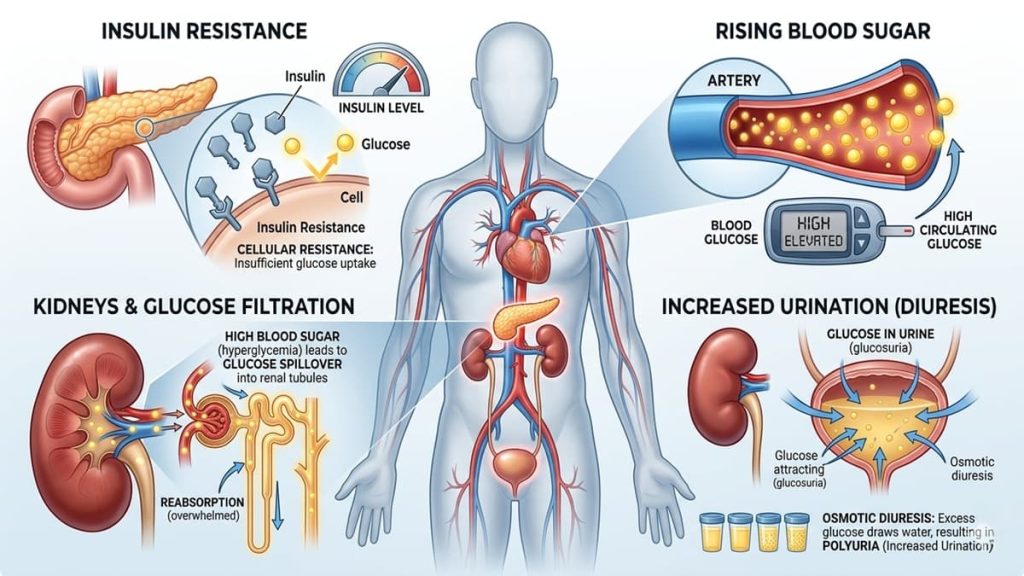
Insulin is a hormone produced by the pancreas that helps move glucose (sugar) from the bloodstream into the body’s cells, where it’s used for energy. When the body becomes insulin-resistant, the cells stop responding efficiently to insulin’s signals.
As a result, glucose begins building up in the bloodstream instead of being properly absorbed and used for energy.
In the early stages, the pancreas tries to compensate by producing more insulin to keep blood sugar levels stable. This can go on quietly for years without obvious symptoms. But over time, the body struggles to keep up, and subtle warning signs may begin appearing.
Insulin resistance is commonly linked to:
- excess belly fat
- lack of physical activity
- chronic stress
- poor sleep
- diets high in ultra-processed foods and sugar
- family history of type 2 diabetes
The tricky part is that many people don’t realise they have insulin resistance until blood sugar levels become harder to control.
How Blood Sugar Imbalances Affect Urination

When blood sugar levels rise above what the body can comfortably manage, the kidneys step in to help remove excess glucose through urine. This is where frequent urination often begins.
Normally, the kidneys filter blood and reabsorb important nutrients, including glucose. But when too much sugar circulates in the bloodstream, the kidneys can’t reabsorb all of it efficiently. The extra glucose gets flushed out through urine instead.
Here’s the important part: glucose pulls water with it.
That means the more sugar your body tries to eliminate, the more fluid you lose. This can lead to:
- more frequent bathroom trips
- increased nighttime urination
- dehydration
- persistent thirst
Many people end up drinking more fluids because they feel thirsty, which can make the urination cycle even more noticeable.
This process doesn’t necessarily happen overnight. In many cases, it develops gradually, which is why people often dismiss it as a minor inconvenience rather than a possible blood sugar warning sign.
Why This Can Happen Before Diabetes
One common misconception is that frequent urination only happens after someone develops diabetes. In reality, insulin resistance and prediabetes can begin affecting the body long before a formal diagnosis appears.
Even mildly elevated blood sugar levels may start influencing hydration, energy levels, appetite, and urination patterns. The body is constantly trying to maintain balance, and these subtle symptoms can be early clues that glucose regulation is becoming less efficient.
That’s why recognising insulin resistance symptoms early matters. Paying attention to changes like frequent urination, unusual fatigue, sugar cravings, or increased thirst may help you take proactive steps before more serious metabolic problems develop.
The earlier blood sugar imbalance is addressed, the greater the opportunity to support healthy insulin sensitivity through nutrition, movement, sleep, stress management, and other lifestyle changes.
Other Early Warning Signs That Often Appear Alongside Frequent Urination
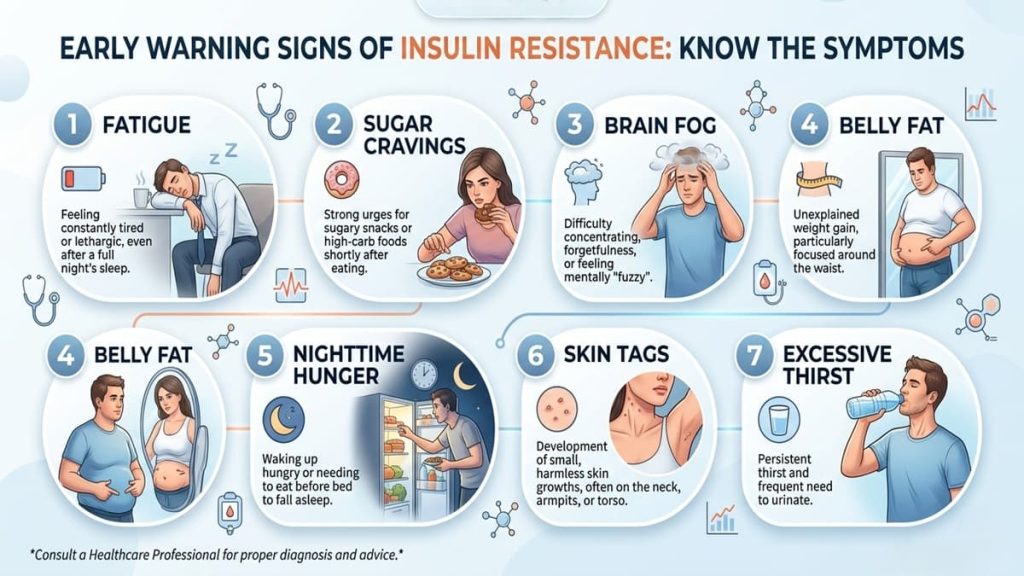
Frequent urination rarely appears completely on its own. In many cases, the body sends several subtle signals at the same time, but because they develop gradually, they are easy to overlook or blame on stress, ageing, poor sleep, or a busy lifestyle.
When insulin resistance and blood sugar imbalance begin affecting the body, symptoms often show up in small, seemingly unrelated ways. Recognising these patterns early may help you identify potential metabolic issues before they become more serious.
Here are some of the most common early warning signs that can appear alongside frequent urination.
Constant Fatigue
Do you feel tired even after getting enough sleep? Persistent fatigue is one of the most common symptoms linked to insulin resistance.
When cells become less responsive to insulin, glucose has a harder time entering the cells to be used for energy. As a result, many people experience:
- afternoon energy crashes
- sluggish mornings
- low motivation
- feeling drained after meals
Blood sugar spikes and crashes can also leave you feeling mentally and physically exhausted throughout the day.
Sugar Cravings
Intense cravings for sweets or carbohydrates may be another sign that blood sugar regulation is becoming unstable.
When blood sugar rises quickly and then drops, the body often responds by craving fast energy sources, especially sugary snacks, bread, or processed foods. Unfortunately, this cycle can continue feeding insulin resistance over time.
Many people notice they feel hungry again shortly after eating, even if they recently had a meal.
Brain Fog
Difficulty concentrating, forgetfulness, or feeling mentally “foggy” can also be tied to fluctuating blood sugar levels.
The brain relies heavily on a steady supply of glucose for energy. When blood sugar becomes unstable, some people experience:
- trouble focusing
- irritability
- poor memory
- mental fatigue
These symptoms are often subtle at first and may come and go.
Increased Belly Fat
Excess fat around the midsection is strongly associated with insulin resistance and metabolic dysfunction.
High insulin levels can encourage the body to store more fat, particularly around the abdomen. Over time, this visceral fat may further worsen insulin sensitivity and inflammation.
Skin Tags or Darkened Skin
Some people with insulin resistance develop small skin tags or patches of darkened, velvety skin, especially around the neck, underarms, or elbows. This condition is sometimes linked to elevated insulin levels.
While these changes are not always harmful, they can serve as important clues that the body’s insulin response may be struggling.
Waking Up Hungry at Night
Blood sugar fluctuations can sometimes interfere with appetite regulation and sleep patterns. Some people notice late-night hunger, nighttime cravings, or waking up feeling shaky or hungry.
When combined with frequent urination, excessive thirst, or fatigue, these symptoms may point toward an underlying blood sugar imbalance that deserves closer attention.
Why Many People Miss These Early Blood Sugar Signals

One of the biggest challenges with insulin resistance and blood sugar imbalance is that the symptoms often appear slowly and quietly. Unlike sudden illnesses that demand immediate attention, early metabolic changes can develop over months or even years, making them easy to dismiss.
That’s why many people don’t realise something may be wrong until symptoms become more noticeable or routine blood work reveals elevated blood sugar levels.
Symptoms Often Feel “Normal”
Many early warning signs of insulin resistance overlap with things people experience every day. Fatigue gets blamed on stress or lack of sleep. Frequent urination may seem like a hydration issue. Sugar cravings are often brushed off as poor willpower or bad eating habits.
Even symptoms like brain fog, low energy, or waking up during the night can feel common enough that they don’t immediately raise concern.
Because these issues seem mild at first, people rarely connect them to possible blood sugar problems.
Blood Sugar Problems Can Develop Slowly
Insulin resistance typically doesn’t happen overnight. The body works hard to compensate for rising blood sugar levels by producing more insulin, which can temporarily hide the problem.
During this stage, subtle symptoms may come and go without disrupting daily life too much. But over time, the underlying imbalance can gradually worsen.
Recognising these early warning signs matters because small lifestyle changes are often most effective before blood sugar issues progress further.
What You Can Do to Support Healthy Insulin Sensitivity Naturally

The good news is that insulin resistance is often heavily influenced by daily habits, which means small, consistent lifestyle changes can make a meaningful difference over time. While there’s no instant fix for blood sugar imbalance, supporting healthy insulin sensitivity naturally may help improve energy levels, reduce blood sugar spikes, and support overall metabolic health.
The key is focusing on sustainable habits rather than extreme diets or complicated routines.
Stabilise Blood Sugar Through Meals
One of the most effective ways to support insulin sensitivity is by creating more balanced meals.
Highly processed foods and sugary snacks can cause rapid blood sugar spikes followed by crashes, which may increase cravings and energy dips. Instead, aim to build meals around:
- lean protein
- fibre-rich vegetables
- healthy fats
- whole-food carbohydrates
Protein and fibre can help slow the absorption of sugar into the bloodstream, which may support steadier energy and appetite control throughout the day.
Simple habits like eating more whole foods, reducing sugary drinks, and avoiding constant snacking may also help improve blood sugar balance over time.
Improve Insulin Sensitivity With Movement
Physical activity helps the body use glucose more efficiently, moving one of the most powerful tools for supporting healthy blood sugar levels.
You don’t need intense workouts to see benefits. Even moderate activities can help, including:
- walking after meals
- resistance training
- cycling
- swimming
- stretching regularly
Many experts recommend taking a short walk after eating since muscles can use excess glucose for energy during movement.
Consistency matters more than perfection. Small daily movement habits often add up over time.
Prioritise Sleep and Stress Reduction
Poor sleep and chronic stress can significantly affect blood sugar regulation.
When stress levels stay elevated, the body releases hormones like cortisol that may increase blood sugar and worsen insulin resistance over time. Likewise, inadequate sleep can disrupt hunger hormones, cravings, and energy balance.
Helpful strategies may include:
- maintaining a regular sleep schedule
- reducing screen time before bed
- practicing deep breathing or mindfulness
- creating a relaxing nighttime routine
Even small improvements in sleep quality may positively affect metabolic health.
Hydration Matters More Than Most People Think
Staying hydrated helps support healthy circulation, kidney function, and glucose balance.
When blood sugar levels rise, the body loses more fluids through urination, which can increase dehydration and thirst. Drinking enough water throughout the day may help the body function more efficiently and support overall wellness.
While hydration alone won’t fix insulin resistance, it’s an important piece of maintaining healthy metabolic function, especially for people already experiencing frequent urination or signs of blood sugar imbalance.
Supplements That May Support Healthy Blood Sugar Balance

Lifestyle habits like nutrition, movement, sleep, and stress management form the foundation of healthy blood sugar control. However, some people also explore nutritional supplements as part of their overall wellness routine to help support insulin sensitivity and metabolic health.
While supplements are not a replacement for medical care or healthy habits, certain ingredients have been studied for their potential role in supporting healthy blood sugar balance.
Common Nutrients Studied for Insulin Sensitivity
Several vitamins, minerals, and plant compounds have gained attention for their potential metabolic benefits.
Some of the most commonly discussed include:
- Magnesium: – supports many processes involved in glucose regulation and energy production
- Berberine: – a plant compound often studied for its potential effects on insulin sensitivity and blood sugar metabolism
- Chromium: – may help support the body’s insulin response
- Alpha-lipoic acid (ALA): – an antioxidant linked to glucose metabolism and nerve health
- Cinnamon extract: – researched for its possible role in supporting healthy blood sugar levels
Results can vary from person to person, and supplements tend to work best when combined with healthy lifestyle changes.
What to Look for in a Blood Sugar Support Supplement
Not all supplements are created equally. If you’re considering a blood sugar support formula, it’s important to focus on quality and transparency.
Look for products that:
- clearly list ingredient dosages
- use third-party testing when possible
- avoid unnecessary fillers or excessive stimulants
- contain research-backed ingredients
It’s also a good idea to speak with a healthcare professional before starting new supplements, especially if you take medications or have existing health conditions.
For many people, supplements work best as part of a broader strategy focused on improving overall metabolic health naturally.
When Frequent Urination Shouldn’t Be Ignored

Occasional changes in urination are usually not a cause for concern. Drinking more fluids, consuming caffeine, or temporary stress can all increase bathroom trips from time to time. But when frequent urination becomes persistent or starts affecting your daily life, it may be a sign that your body needs attention.
Ignoring ongoing symptoms can sometimes allow underlying blood sugar problems or insulin resistance to progress unnoticed.
Signs You Should Talk to a Healthcare Professional
Frequent urination may deserve a closer look if it happens alongside symptoms such as:
- excessive thirst
- unusual fatigue
- blurry vision
- unexplained weight changes
- numbness or tingling in the hands or feet
- waking up multiple times at night to urinate
These symptoms do not automatically mean diabetes is present, but they may indicate that blood sugar regulation is becoming impaired.
Tests That May Help Evaluate Blood Sugar Health
A healthcare provider may recommend tests such as:
- fasting blood glucose
- HbA1c
- fasting insulin
- oral glucose tolerance testing
These tests can help identify insulin resistance, prediabetes, or other metabolic issues early, often before more serious complications develop.
Top of Form
Frequently Asked Questions
Yes, it can. When blood sugar levels begin rising, the kidneys work harder to remove excess glucose through urine. This may lead to more frequent urination, especially if insulin resistance or prediabetes is developing.
No. Frequent urination can also be linked to hydration habits, caffeine, medications, urinary tract issues, or other health conditions. However, persistent symptoms should not be ignored.
Excess glucose in the bloodstream pulls additional water into the urine as the body tries to eliminate sugar. This process can increase urination and contribute to dehydration and thirst.
In some cases, yes. Blood sugar imbalance may increase nighttime bathroom trips, especially when combined with increased thirst.
Balanced meals, regular movement, quality sleep, stress management, hydration, and maintaining a healthy weight may all help support insulin sensitivity and metabolic health.
In Conclusion
Frequent urination may seem like a minor inconvenience, but sometimes the body uses subtle symptoms to signal deeper blood sugar or metabolic issues. Paying attention to early warning signs like increased thirst, fatigue, cravings, and nighttime urination may help you take proactive steps before more serious problems develop.
The earlier insulin resistance is recognised, the more opportunities there may be to support healthy blood sugar balance through lifestyle changes, nutrition, movement, and overall metabolic awareness.
Bottom of Form
Related posts