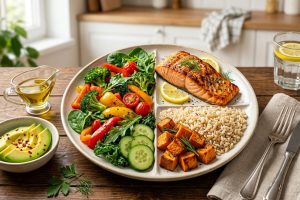
Struggling With High Blood Sugar? The Best Low GI Foods to Eat (and What to Avoid)
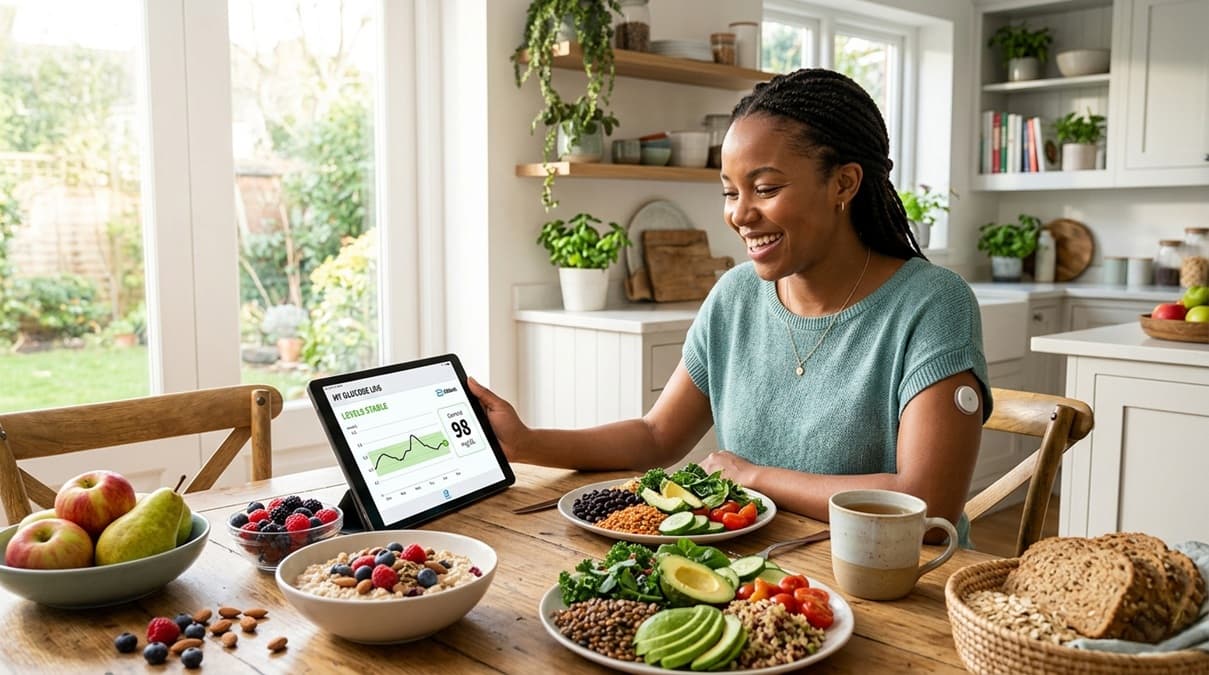
Struggling With High Blood Sugar? The Best Low GI Foods to Eat (and What to Avoid)

Do you often feel tired after eating, constantly crave sugary snacks, or get hungry again shortly after meals? If so, your blood sugar levels could be playing a bigger role in how you feel than you realise.
Many people struggle with energy crashes, brain fog, mood swings, and stubborn cravings without understanding that certain foods may be causing rapid spikes and drops in blood sugar. Even foods that seem “healthy” can sometimes leave you feeling drained, hungry, and frustrated a few hours later.
That’s where low GI foods can make a real difference.
The glycaemic index (GI) measures how quickly foods raise your blood sugar. Low GI foods are digested more slowly, helping your body maintain steadier energy levels rather than the sharp spikes and crashes that often come from processed carbs and sugary foods.
The good news is that improving your blood sugar balance does not require extreme dieting or giving up every food you enjoy. Small, smarter food choices can have a powerful impact on your energy, cravings, appetite, and long-term health.
In this guide, you will discover the best low GI foods to eat, which foods may quietly spike your blood sugar, and simple everyday swaps that can help you feel more energised and in control.
What Are Low GI Foods and Why Do They Matter?
If you have been trying to manage high blood sugar, reduce cravings, or avoid energy crashes, you have probably heard the term “low GI foods.” But what does it actually mean, and why does it matter so much for your health?
Simply put, low GI foods help your body process sugar more slowly and steadily. Instead of causing a rapid spike in blood sugar followed by a sudden crash, these foods provide a more stable release of energy throughout the day. This can make a big difference in how you feel after meals, how hungry you get, and even how well your body responds to insulin over time.
For many people, choosing lower GI foods is not about perfection or strict dieting. It is about making smarter everyday food choices that help support better blood sugar control and more consistent energy.
What Does “Glycaemic Index” Mean?
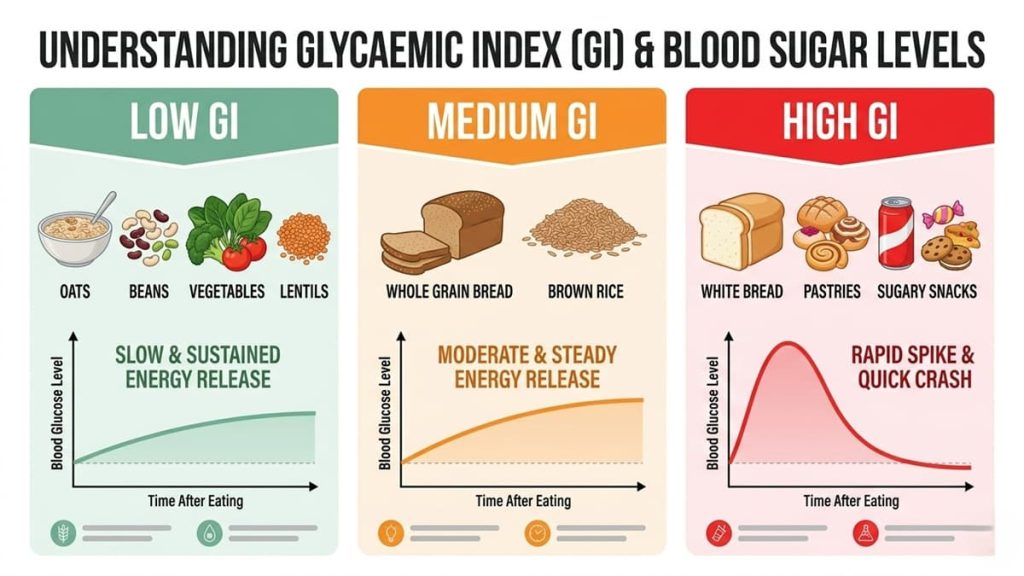
The glycaemic index, often called GI, is a scale that measures how quickly carbohydrate-containing foods raise blood sugar levels after eating.
Foods are usually grouped into three categories:
- Low GI foods: digested slowly and cause gradual blood sugar rises
- Medium GI foods: raise blood sugar at a moderate pace
- High GI foods: digested quickly and often cause sharp blood sugar spikes
Think of it this way: high GI foods act like dry grass thrown into a fire; they burn fast and intensely. Low-GI foods act more like slow-burning wood, providing steadier, longer-lasting energy.
Examples of low GI foods include oats, beans, leafy vegetables, lentils, and many whole foods rich in fibre and protein.
How High GI Foods Affect Blood Sugar
When you eat highly processed or sugary foods, your blood sugar can rise very quickly. At first, this may give you a temporary burst of energy. But soon after, your blood sugar may drop rapidly, leaving you tired, hungry, irritable, or craving even more sugar.
This cycle of spikes and crashes can make it harder to control appetite and energy levels. Over time, frequent blood sugar spikes may also increase the risk of insulin resistance and other metabolic health problems.
Foods like sugary drinks, white bread, pastries, and heavily processed snacks are common examples of high GI foods that can trigger these rapid changes.
Benefits of Eating Low GI Foods
Choosing more low-GI foods can help support steadier energy levels throughout the day and reduce the “crash” feeling many people experience after meals.
Low GI eating may also help:
- reduce cravings and constant snacking
- improve fullness after meals
- support healthy weight management
- promote better blood sugar balance
- help improve insulin response over time
Many people also notice they feel more focused, satisfied, and energised when they replace refined carbs with slower-digesting, fibre-rich foods. Small changes made consistently can often lead to noticeable improvements in how your body feels every day.
Common Signs Your Blood Sugar May Be Unstable

Blood sugar problems do not always show up in obvious ways. In many cases, the signs can seem normal or easy to ignore at first. You may blame stress, poor sleep, a busy schedule, or simply “getting older.” But frequent blood sugar spikes and crashes can quietly affect how you feel throughout the day.
Recognising these symptoms early can help you make smarter food choices before the problem becomes more serious.
Constant Cravings
Do you find yourself craving sugary foods, snacks, or carbs shortly after eating? Rapid blood sugar spikes are often followed by sudden drops, which can trigger strong cravings for quick energy sources like sweets, soft drinks, or processed snacks.
This cycle can make healthy eating feel frustrating and difficult to maintain.
Energy Crashes After Meals
Feeling sleepy, sluggish, or mentally drained after eating may be a sign that your blood sugar is rising and falling too quickly. Meals high in refined carbs and sugar can cause temporary energy boosts followed by sharp crashes that leave you feeling exhausted a few hours later.
Feeling Hungry All the Time
If you constantly feel hungry even after meals, unstable blood sugar may be part of the problem. Foods that digest too quickly often fail to keep you full for long, leading to overeating and frequent snacking throughout the day.
Brain Fog and Mood Swings
Blood sugar fluctuations can also affect concentration, focus, and mood. Some people experience irritability, difficulty concentrating, headaches, or “brain fog” when their blood sugar levels are unstable.
Poor Sleep or Midnight Hunger
Waking up hungry in the middle of the night or struggling with poor sleep can sometimes be linked to blood sugar imbalances. Large sugary meals late in the evening may contribute to overnight crashes that disrupt restful sleep.
The good news is that simple dietary changes, especially choosing more low-GI foods, can often help improve many of these symptoms over time.
The Best Low GI Foods to Eat for Better Blood Sugar Control
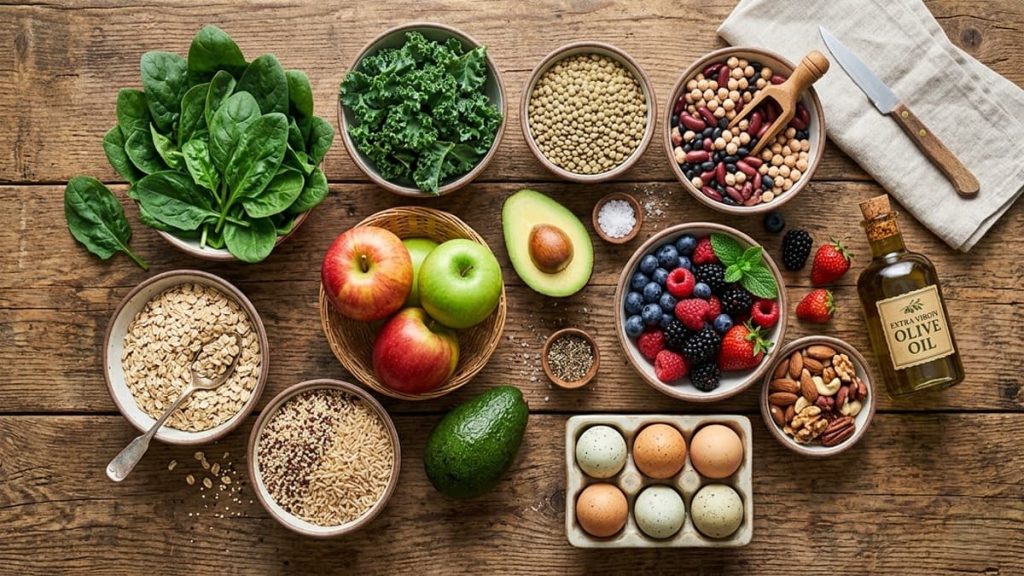
When it comes to managing high blood sugar, the goal is not to stop eating carbohydrates completely. The real focus should be on choosing foods that digest more slowly and help keep your blood sugar levels stable throughout the day.
Low GI foods are typically rich in fibre, protein, or healthy fats, which help slow down how quickly sugar enters the bloodstream. These foods can help reduce cravings, improve fullness, and support more consistent energy levels.
Here are some of the best low-glycaemic foods to include in your diet.
Leafy Green Vegetables
Leafy greens are some of the best foods for blood sugar control because they are low in carbohydrates and packed with nutrients and fibre.
Good options include:
- spinach
- kale
- pumpkin leaf (ugwu)
- bitter leaf
- lettuce
- cabbage
These vegetables can help you feel full without causing major blood sugar spikes. They are also versatile and easy to add to soups, salads, stir-fries, smoothies, and local dishes.
For better balance, try filling at least half your plate with non-starchy vegetables during meals.
Beans and Legumes
Beans and legumes are excellent low-GI foods because they contain a powerful combination of fibre and plant-based protein. This helps slow digestion and keeps you fuller for longer.
Some great choices include:
- black beans
- lentils
- chickpeas
- brown beans
- beans porridge
- beans cake (moi moi)
Beans are also affordable, making them one of the most practical blood sugar-friendly foods for many households.
Although beans contain carbohydrates, their high fibre content helps prevent the rapid spikes commonly seen with refined carbs like white bread or pastries.
Whole Grains
Not all carbohydrates are bad. Whole grains digest more slowly than refined grains and often contain more fibre and nutrients.
Better options include:
- oats
- brown rice
- millet
- quinoa
- whole-grain bread
Oats are especially popular for blood sugar control because they contain soluble fibre that helps slow glucose absorption.
Portion size still matters, though. Eating large amounts of even healthy carbs can raise blood sugar levels, so balance is important.
Healthy Proteins
Protein can help stabilise blood sugar by slowing digestion and helping you stay satisfied after meals.
Good protein sources include:
- eggs
- fish
- chicken
- turkey
- Greek yogurt
- tofu
Adding protein to meals and snacks may help reduce hunger and prevent frequent snacking later in the day.
For example, pairing fruit with Greek yoghurt or nuts may keep you fuller longer than eating fruit alone.
Healthy Fats
Healthy fats also play an important role in blood sugar management because they slow digestion and help improve satisfaction after eating.
Examples include:
- avocado
- nuts
- seeds
- olive oil
- peanut butter
Healthy fats can help make meals feel more filling and may reduce cravings for sugary snacks later.
However, moderation is still important since fats are calorie-dense. Small portions are usually enough to provide benefits.
Low GI Fruits
Many people assume all fruits are bad for blood sugar, but that is not true. Some fruits have a lower glycaemic index and contain fibre that slows sugar absorption.
Better fruit choices include:
- apples
- berries
- pears
- oranges
- peaches
These fruits are generally better options than fruit juices, which often contain concentrated sugar and little fibre.
Bananas and watermelon can still fit into a healthy diet, but portion control matters more with higher GI fruits.
Whenever possible, choose whole fruits instead of juices or dried fruits.
Nigerian Low GI Food Options
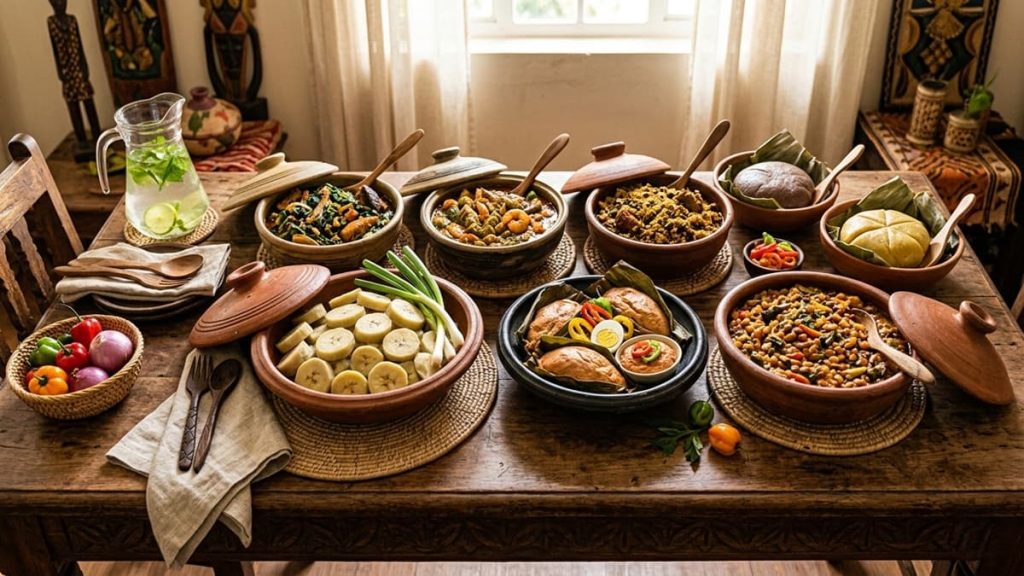
Many traditional Nigerian foods can fit into a blood sugar-friendly diet when prepared thoughtfully.
Some examples include:
- unripe plantain
- beans
- beans cake (moi moi)
- vegetable soups
- okra soup
- melon seeds Soup (egusi soup)
- oats swallow alternatives
Unripe plantain is often considered a better option than highly processed carbohydrates because it digests more slowly and contains resistant starch.
Vegetable-based soups combined with moderate portions of healthier swallow alternatives may also help improve fullness and reduce blood sugar spikes.
The key is balance, portion awareness, and reducing heavily processed foods whenever possible.
You do not need a perfect diet to improve your blood sugar. Small daily changes, such as replacing refined carbs with more fibre-rich whole foods, can gradually make a noticeable difference in your energy, cravings, and overall health.
Foods That Can Spike Blood Sugar Quickly
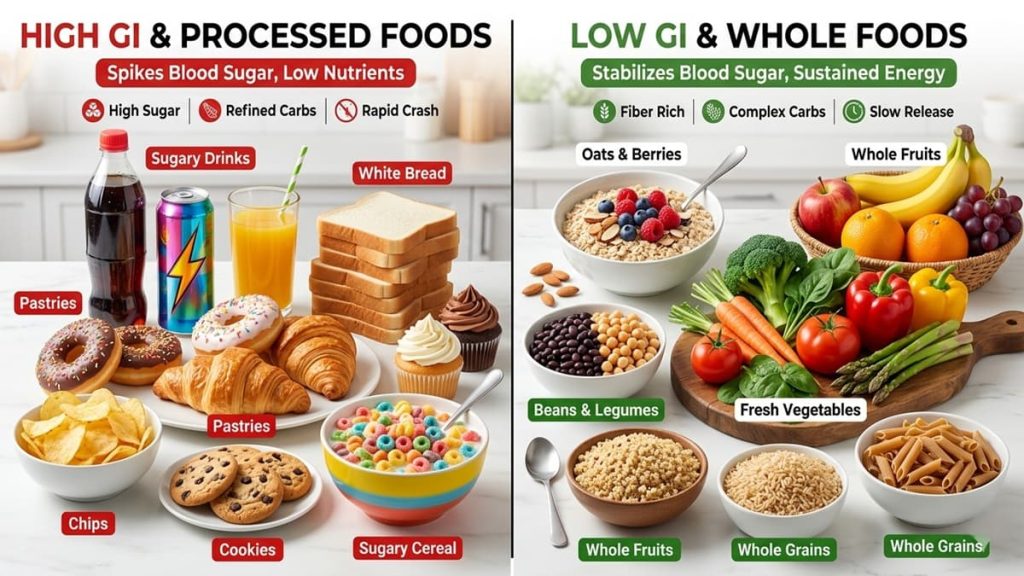
Some foods can cause your blood sugar to rise very quickly, especially when they are highly processed, low in fibre, or packed with added sugar. While eating these foods occasionally is unlikely to ruin your health, consuming them regularly may lead to frequent energy crashes, cravings, and difficulty controlling appetite.
The tricky part is that some of these foods are marketed as “healthy,” which can make blood sugar management even more confusing.
Here are some common foods that may spike blood sugar levels faster than expected.
Sugary Drinks
Soft drinks, sweetened juices, energy drinks, and flavoured coffees are some of the biggest causes of rapid blood sugar spikes. Liquid sugar is absorbed very quickly because it contains little or no fibre to slow digestion.
Even fruit juices can raise blood sugar faster than whole fruits.
White Bread and Refined Flour Foods
White bread, pastries, noodles made with refined flour, and many baked foods digest quickly and can cause sudden blood sugar increases.
These foods are often low in fibre, which means they do not keep you full for very long.
Highly Processed Snacks
Packaged snacks like chips, cookies, crackers, and sugary granola bars are usually made with refined carbs, unhealthy fats, and added sugar.
They may temporarily satisfy cravings, but they often lead to hunger and low energy shortly afterward.
Sugary Breakfast Cereals
Many breakfast cereals contain far more sugar than people realise. Even cereals labelled as “whole grain” can still be heavily processed and loaded with added sweeteners.
A high-sugar breakfast may leave you hungry again before midday.
Excess Alcohol
Alcohol can affect blood sugar in different ways depending on the amount consumed and what it is mixed with. Sweet cocktails, sugary mixers, and excessive drinking may contribute to unstable blood sugar levels and poor food choices.
Hidden Sugars in “Healthy” Foods
Some flavoured yoghurts, smoothies, protein bars, and low-fat products contain surprisingly high amounts of added sugar.
Reading food labels carefully can help you avoid products that quietly spike blood sugar while appearing healthy on the surface.
Smart Food Swaps That Make a Big Difference
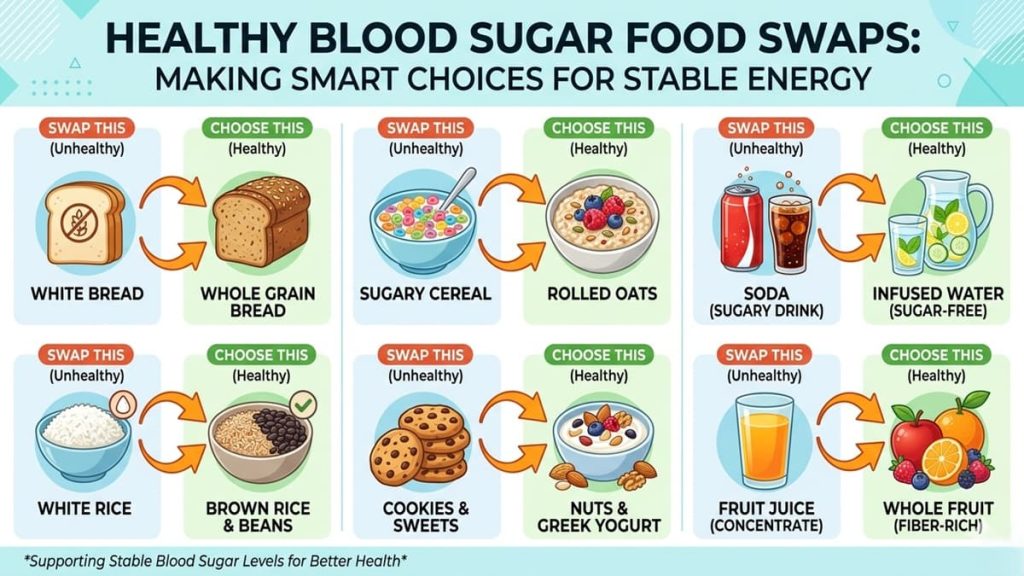
Improving your blood sugar does not always require a complete diet overhaul. In many cases, small food swaps made consistently can have a surprisingly powerful impact on your energy levels, cravings, and overall health.
The goal is not perfection. It is simply choosing foods that digest more slowly and help keep blood sugar levels steadier throughout the day.
Here are some simple swaps that can make everyday meals more blood sugar-friendly:
- White bread → Whole grain bread
Whole grain options usually contain more fibre, which helps slow digestion and improve fullness. - Sugary breakfast cereal → Oats
Oats provide slower-releasing carbohydrates and may help reduce mid-morning hunger and energy crashes. - Soft drinks or soda → Infused water or sparkling water
Replacing sugary drinks can significantly reduce rapid blood sugar spikes. - White rice → Brown rice or beans mix
Adding beans or switching to less processed grains may help improve blood sugar balance after meals. - Chips and cookies → Nuts or Greek yoghurt
Protein-rich snacks often keep you fuller longer than highly processed snacks. - Fruit juice → Whole fruit
Whole fruits contain fibre, which slows sugar absorption compared to juice.
Small changes are usually easier to maintain than extreme diets. Over time, these smarter swaps can help support steadier energy, fewer cravings, and healthier eating habits without making meals feel restrictive.
How to Build a Blood Sugar-Friendly Meal
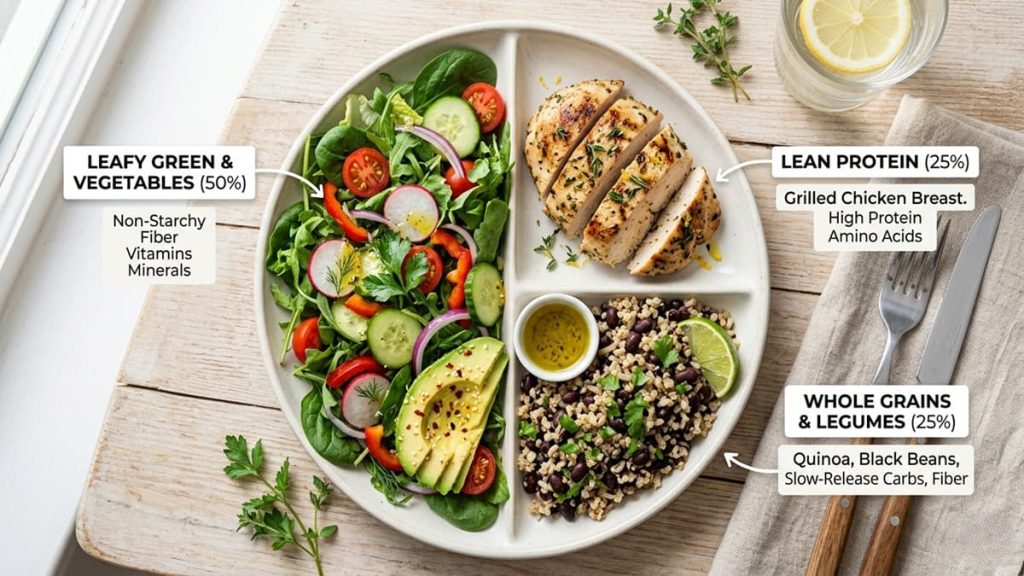
Choosing healthy foods is important, but how you combine those foods also matters. A balanced meal can help slow digestion, reduce blood sugar spikes, and keep you feeling satisfied for longer.
The good news is that building blood sugar-friendly meals does not have to be complicated. A few simple habits can make everyday eating much easier and more sustainable.
The Protein + Fibre + Healthy Fat Formula
One of the easiest ways to support stable blood sugar is to include a combination of protein, fibre, and healthy fats in your meals.
For example:
- grilled chicken with vegetables and avocado
- oats with nuts and Greek yoghurt
- beans with vegetable soup
- apples with peanut butter
This combination helps slow how quickly sugar enters the bloodstream and may reduce hunger later in the day.
Portion Control Tips
Even healthy foods can affect blood sugar when eaten in very large amounts. Paying attention to portion sizes can help improve balance without making meals feel restrictive.
Using smaller plates, eating slowly, and filling more of your plate with vegetables can make portion control easier.
Why Meal Timing Matters
Skipping meals or waiting too long to eat may increase cravings and overeating later. Regular meals can help maintain steadier energy and reduce sudden blood sugar crashes.
Late-night heavy meals may also affect sleep and overnight blood sugar balance.
Snack Ideas That Prevent Sugar Crashes
Smart snacks can help prevent energy dips between meals.
Some simple options include:
- nuts
- boiled eggs
- Greek yogurt
- sliced apples
- hummus with vegetables
Balanced snacks are often more satisfying than sugary or highly processed foods.
Can Low GI Foods Help Prevent Diabetes?
Low GI foods are not a cure for diabetes, but they may help support healthier blood sugar management and reduce some of the risk factors linked to type 2 diabetes over time.
When blood sugar levels spike frequently, the body may struggle to use insulin effectively. This condition, often called insulin resistance, can increase the risk of prediabetes and eventually type 2 diabetes if healthy lifestyle habits are not maintained.
Choosing more low-GI foods may help by reducing rapid blood sugar spikes and promoting steadier energy levels throughout the day. Foods rich in fibre, protein, and healthy fats can also help improve fullness, reduce overeating, and support healthier weight management, all of which play an important role in long-term metabolic health.
However, blood sugar control is not about one single food or diet trend. Physical activity, sleep, stress management, and overall eating habits also matter.
If you already have diabetes or suspect you may be at risk, it is important to speak with a healthcare professional for personalised advice. Small, consistent lifestyle changes are often more effective and sustainable than extreme dieting or quick fixes.
Frequently Asked Questions
No single food can instantly lower blood sugar, but foods rich in fibre, protein, and healthy fats may help support better blood sugar control. Examples include leafy greens, beans, lentils, oats, nuts, and low-GI fruits.
Bananas are not considered extremely high GI, but their glycaemic index can increase as they ripen. Less ripe bananas generally have a lower GI than very ripe ones. Portion size also plays an important role in how they affect blood sugar.
Rice is not necessarily bad for blood sugar, but some types can raise blood sugar faster than others. White rice is typically digested more quickly, while brown rice and other whole grains tend to have a lower impact due to their higher fibre content.
Low GI foods may support weight management because they often help you feel fuller for longer. This can reduce cravings and make it easier to maintain healthy eating habits over time.
Some blood sugar-friendly snack options include nuts, boiled eggs, Greek yoghurt, hummus with vegetables, and apples paired with peanut butter. These snacks provide a combination of protein, fibre, and healthy fats.
Several traditional Nigerian foods can fit into a low GI eating plan, including beans, moi moi, unripe plantain, vegetable soups, okra soup, and oats-based swallow alternatives.
Some people notice improvements in energy levels and cravings within days or weeks of making healthier food choices. However, long-term blood sugar management usually depends on consistent eating habits, physical activity, sleep, and other lifestyle factors.
In Conclusion
Managing high blood sugar does not have to mean following a complicated or restrictive diet. Often, the most effective changes are the small, consistent ones you make every day.
By choosing more low-GI foods, limiting foods that cause rapid blood sugar spikes, and building balanced meals with protein, fibre, and healthy fats, you can support steadier energy levels, reduce cravings, and improve your overall health.
Remember, lasting results come from progress, not perfection. Focus on making one or two positive changes at a time and building habits you can maintain long-term.
For more practical tips, meal ideas, and blood sugar-friendly resources, explore our related guides and tools to help you stay on track.
Related posts