
Prediabetes vs. Type 2 Diabetes: The Warning Signs, Hidden Causes, and What You Can Still Reverse

Prediabetes vs. Type 2 Diabetes: The Warning Signs, Hidden Causes, and What You Can Still Reverse

Many people don’t realise blood sugar problems can build slowly for years before a diagnosis ever happens. It often starts with things that feel easy to dismiss: constant fatigue, intense sugar cravings, brain fog, stubborn weight gain, or that afternoon energy crash that never seems to go away. Then one day, a routine blood test comes back with a word that suddenly feels heavy: prediabetes.
For a lot of people, that moment brings more confusion than clarity.
What exactly does prediabetes mean? Is it already diabetes? Can it be reversed? And why do so many people continue struggling with high blood sugar even when they are trying to “eat healthier”?
The truth is, blood sugar health exists on a spectrum. Long before Type 2 diabetes develops, the body often shows early warning signs connected to insulin resistance, a condition where cells stop responding properly to insulin, causing glucose levels to rise over time. Understanding those changes early may help you take practical steps before things progress further.
In this guide, we will break down the real difference between prediabetes and Type 2 diabetes, explain common prediabetes symptoms and Type 2 diabetes warning signs, and explore lifestyle habits that may help support healthier blood sugar levels naturally.
If you want a simple place to start, you can also download our free Blood Sugar Warning Signs Checklist to help identify patterns many people overlook.
What Is Prediabetes?
Prediabetes is a warning sign that blood sugar levels are higher than normal, but not yet high enough for a Type 2 diabetes diagnosis. The important thing to understand is that this stage often develops quietly. Many people have had prediabetes for years without realising it because the symptoms can feel mild, inconsistent, or easy to blame on stress, ageing, or a busy lifestyle.
The good news is that recognising these early changes may allow you to take action before blood sugar problems become more serious.
What Happens in the Body During Prediabetes?
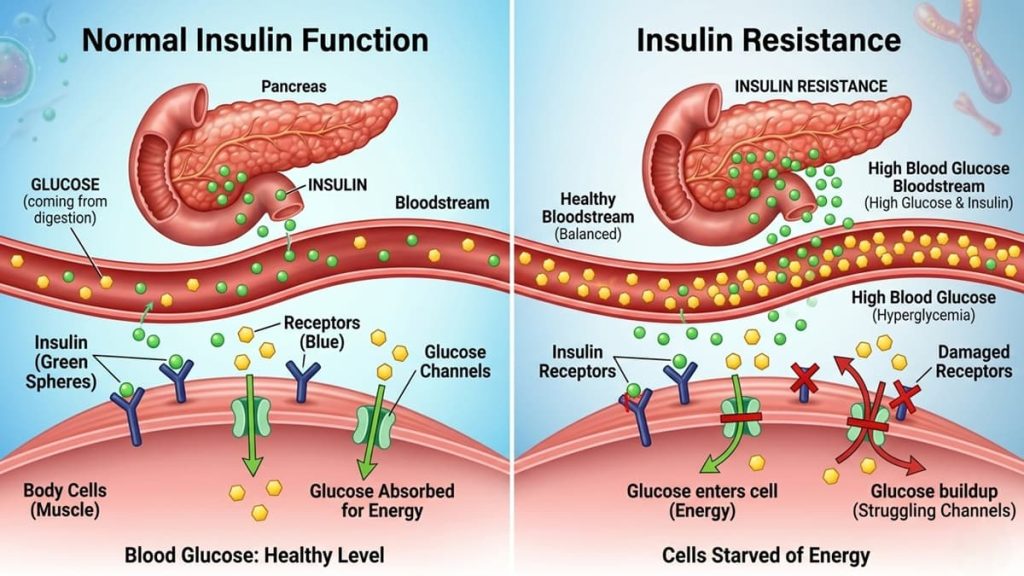
Prediabetes usually begins with insulin resistance. Insulin is a hormone made by the pancreas that helps move glucose (sugar) from your bloodstream into your cells, where it’s used for energy.
You can think of insulin like a key. Over time, your cells may stop responding to that key properly. When this happens, glucose has a harder time getting into the cells and starts building up in the bloodstream instead. That’s when high blood sugar levels begin developing.
At first, the pancreas tries to keep up by producing more insulin. But over time, this constant demand can put extra stress on the body’s blood sugar control system.
Because this process happens gradually, many people don’t notice anything is wrong until routine lab work shows elevated glucose or A1C levels. This is one reason why understanding the early causes of prediabetes and insulin resistance matters so much.
Common Prediabetes Symptoms
Prediabetes symptoms are often subtle, which is why they are easy to overlook. Many people simply assume they are tired, stressed, or “getting older.”
Some common warning signs of high blood sugar include:
- Constant fatigue or low energy
- Strong sugar or carb cravings
- Feeling hungry again soon after eating
- Brain fog or difficulty concentrating
- Stubborn belly weight that’s hard to lose
- Afternoon energy crashes
- Feeling shaky or irritable when meals are delayed
Not everyone experiences obvious symptoms, but these small patterns can sometimes signal that the body is struggling to manage blood sugar efficiently.
If this sounds familiar, learning more about How Insulin Resistance Starts and the Best Foods for Stable Blood Sugar can help you better understand what may be happening beneath the surface.
Prediabetes Blood Sugar Ranges
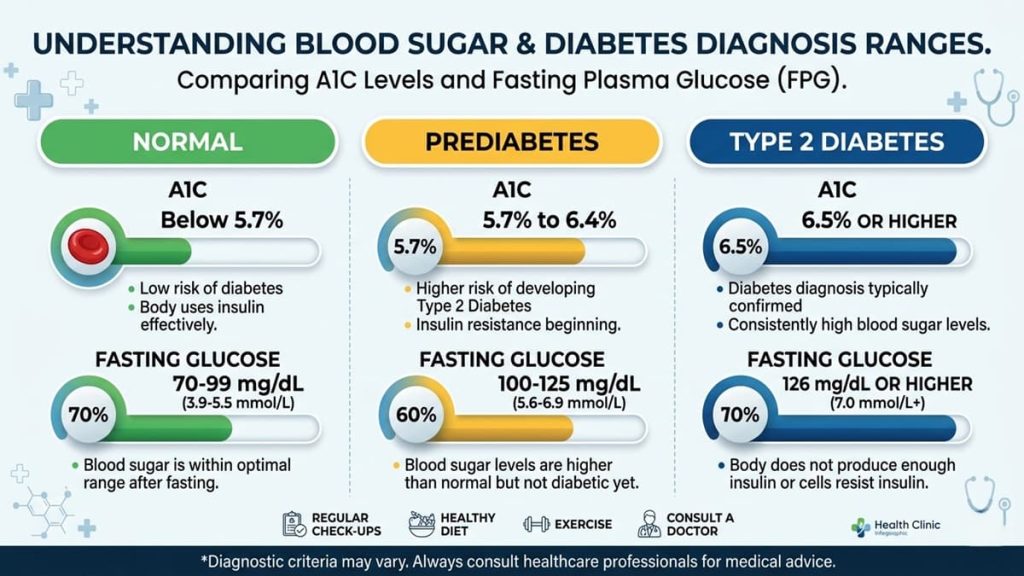
Doctors typically diagnose prediabetes using a few common blood sugar measurements.
These usually include:
- Fasting blood glucose: 100–125 mg/dL
- A1C levels: 5.7%–6.4%
- Post-meal blood sugar spikes: higher-than-normal glucose levels after eating
The A1C test measures your average blood sugar over the past two to three months, which helps doctors identify longer-term patterns rather than a single high reading.
These blood sugar ranges don’t automatically mean someone will develop Type 2 diabetes, but they can indicate that the body is moving in that direction if underlying habits and insulin resistance are not addressed.
What Is Type 2 Diabetes?
Type 2 diabetes develops when the body can no longer manage blood sugar effectively. While prediabetes is considered an early warning stage, Type 2 diabetes means blood sugar levels have risen high enough to require closer medical attention and long-term management.
For many people, this progression happens slowly over time, often after years of insulin resistance, rising glucose levels, and symptoms that were easy to dismiss or misunderstand.
How Type 2 Diabetes Develops
Type 2 diabetes usually begins the same way prediabetes does: with insulin resistance. The body’s cells gradually become less responsive to insulin, making it harder for glucose to move out of the bloodstream and into the cells for energy.
In the early stages, the pancreas works overtime to produce more insulin and keep blood sugar levels stable. But eventually, the pancreas may struggle to keep up with the constant demand.
As insulin resistance worsens, glucose starts building up in the bloodstream more consistently. Over time, fasting blood sugar and A1C levels continue rising until they cross into the Type 2 diabetes range.
This process rarely happens overnight. In many cases, the body has been showing subtle Type 2 diabetes warning signs for years before a diagnosis finally happens.
Symptoms That Often Become More Severe

As blood sugar levels remain elevated, symptoms often become more noticeable and harder to ignore.
Common Type 2 diabetes symptoms may include:
- Excessive thirst
- Frequent urination
- Blurry vision
- Tingling or numbness in the hands and feet
- Slow-healing cuts or bruises
- Ongoing fatigue and energy crashes
- Increased hunger even after eating
High blood sugar can affect multiple systems throughout the body, which is why symptoms sometimes seem unrelated at first. Some people notice worsening cravings or fatigue, while others experience vision changes or numbness before realising blood sugar may be involved.
Because symptoms can develop gradually, many people delay seeking help until their blood sugar imbalance has already progressed significantly.
Why Early Intervention Matters
The earlier blood sugar problems are identified, the more options people often have to improve their metabolic health and potentially slow progression.
Lifestyle changes like improving nutrition, increasing movement, managing stress, and getting better sleep can make a meaningful difference for many people. Some individuals also use glucose monitoring tools or structured lifestyle programs to better understand how their bodies respond to food and daily habits.
Some people also explore evidence-based blood sugar support supplements alongside lifestyle changes, especially ingredients that may help support insulin sensitivity and healthy glucose metabolism. The key is focusing on sustainable habits and informed decisions rather than quick fixes or extreme diets.
Prediabetes vs. Type 2 Diabetes: What’s the Real Difference?
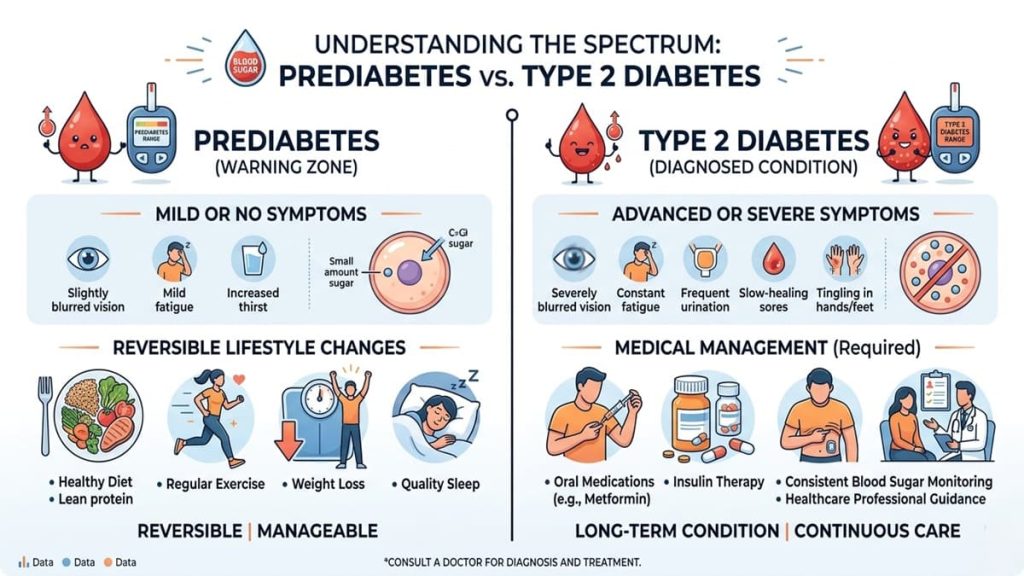
One of the biggest sources of confusion for people dealing with blood sugar issues is understanding the difference between prediabetes and Type 2 diabetes. The two conditions are closely connected, but they are not exactly the same.
Prediabetes is considered an early warning stage. Blood sugar levels are elevated, but not yet high enough for a Type 2 diabetes diagnosis. Type 2 diabetes develops when the body can no longer keep blood sugar within a healthy range consistently.
The important thing to remember is that both conditions are heavily linked to insulin resistance and metabolic health. The difference is mostly about how far the imbalance has progressed.
Here’s a simple comparison to make it easier to understand:
| Category | Prediabetes | Type 2 Diabetes |
| Blood Sugar Levels | Higher than normal but below diabetes range | Consistently high blood sugar levels |
| A1C Levels | 5.7%–6.4% | 6.5% or higher |
| Symptoms | Often mild or unnoticed | Usually more noticeable and persistent |
| Common Signs | Fatigue, cravings, brain fog, energy crashes | Excessive thirst, numbness, blurry vision, frequent urination |
| Reversibility | Often manageable or reversible with lifestyle changes | Sometimes manageable or put into remission, but usually requires ongoing monitoring |
| Long-Term Risks | Increased risk of Type 2 diabetes and heart disease | Higher risk of nerve damage, kidney disease, vision problems, and cardiovascular complications |
| Treatment Approaches | Nutrition, exercise, sleep, stress management, weight loss | Lifestyle changes plus possible medications, glucose monitoring, and medical care |
Many people searching for “prediabetes vs. Type 2 diabetes” are really trying to answer one question:
“How serious is this, and can I still do something about it?”
For many individuals, the prediabetes stage can serve as an opportunity to improve blood sugar habits before more serious complications develop. Even with Type 2 diabetes, education and consistent lifestyle changes may still help improve blood sugar control and overall health outcomes.
That’s why understanding the early warning signs, blood sugar ranges, and root causes of insulin resistance matters so much.
Can Prediabetes Be Reversed?

One of the most common questions people ask after hearing the word prediabetes is whether it’s possible to reverse it. In many cases, the answer may be yes, especially when blood sugar changes are identified early and addressed consistently over time.
That does not mean there’s a quick fix or a perfect diet. But research continues to show that improving insulin resistance and supporting metabolic health can significantly improve blood sugar levels for many people.
What Research Says
Studies have consistently linked lifestyle changes with better blood sugar control and a lower risk of developing Type 2 diabetes.
Even modest weight loss may help improve insulin sensitivity, especially when combined with regular movement. Physical activity helps the body use glucose more efficiently, which can reduce high blood sugar levels over time.
Sleep and stress also play a bigger role than many people realise. Poor sleep and chronic stress can increase cortisol levels, which may contribute to insulin resistance and blood sugar spikes.
Nutrition matters too, but not in an extreme or restrictive way. Many experts recommend focusing on balanced meals with fibre, protein, healthy fats, and fewer ultra-processed foods rather than chasing temporary fad diets.
Small, sustainable habits are often more effective long-term than aggressive short-term changes that are difficult to maintain.
Why Some People Struggle Despite “Eating Healthy”
Many people feel frustrated because they believe they are making healthy choices, but still struggle with fatigue, cravings, stubborn weight gain, or rising A1C levels.
Part of the problem is that modern foods can be misleading. Hidden sugars are added to products marketed as “healthy,” including granola bars, flavoured yoghurts, sauces, cereals, and drinks.
Ultra-processed foods may also affect blood sugar differently than whole foods, even when calorie counts appear similar.
At the same time, insulin resistance can make it harder for the body to process carbohydrates efficiently. This means some people experience glucose spikes and energy crashes even when they think they are eating reasonably well.
Understanding how insulin resistance works often helps explain why blood sugar management can feel so confusing.
Natural Strategies That May Help Support Healthy Blood Sugar
Many people explore additional tools to support healthy blood sugar alongside lifestyle changes.
Some focus on increasing fibre intake through food or fibre supplements to help support more stable glucose levels after meals. Others look into evidence-based ingredients like berberine or magnesium, which have been studied for their potential role in insulin sensitivity and glucose metabolism.
Continuous glucose monitors (CGMs) and meal planning apps can also help people better understand how their bodies respond to specific foods, stress, sleep, and daily habits.
The goal is not perfection. It’s building awareness, consistency, and healthier routines that are sustainable over time.
The Hidden Causes Behind Blood Sugar Problems
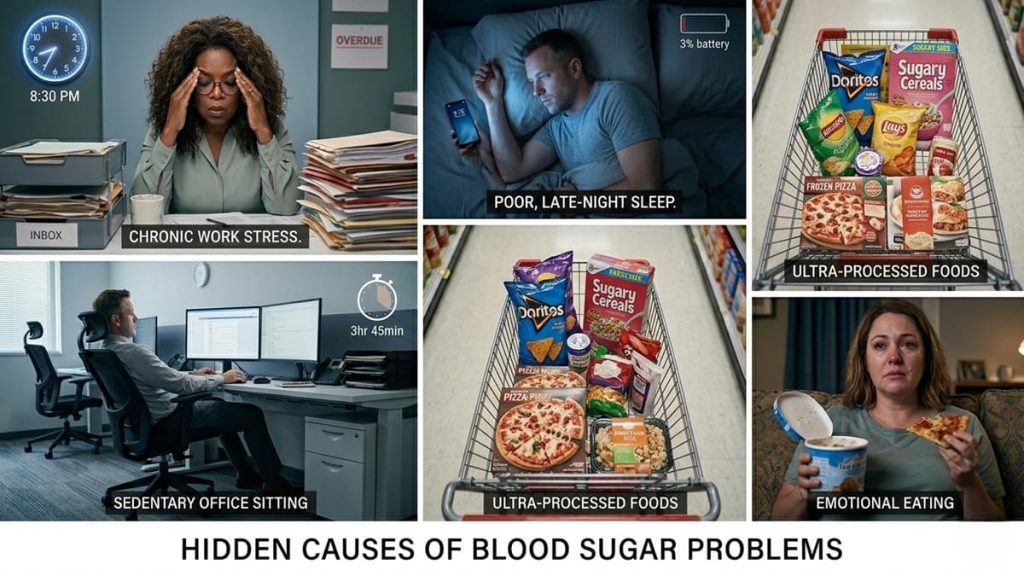
Many people assume blood sugar problems are caused only by eating too much sugar. But in reality, several hidden lifestyle and metabolic factors can quietly contribute to insulin resistance and high blood sugar over time.
Understanding these contributors often helps people make sense of symptoms that previously felt confusing or unrelated.
Chronic Stress and Cortisol
Stress affects more than mood. When stress levels stay high for long periods, the body releases more cortisol, a hormone that can raise blood sugar levels and worsen insulin resistance.
This is one reason some people notice stronger cravings, fatigue, emotional eating, or energy crashes during stressful periods.
Poor Sleep and Glucose Spikes
Sleep plays a major role in metabolic health. Even a few nights of poor sleep may affect how the body responds to insulin.
People who regularly sleep too little often experience:
- increased hunger,
- stronger carb cravings,
- low energy,
- and more noticeable glucose spikes after meals.
Poor sleep can also make healthy habits harder to maintain during the day.
Sedentary Lifestyle
The body is designed to move. Long periods of sitting may reduce insulin sensitivity, making it harder for cells to use glucose efficiently.
Regular movement helps muscles absorb glucose for energy, which can support more stable blood sugar levels over time. Even small habits like walking after meals may help.
Ultra-Processed Foods
Many ultra-processed foods digest quickly and can lead to rapid blood sugar spikes followed by crashes.
These foods are often engineered to be highly rewarding, which may increase cravings and overeating. Hidden sugars and refined carbohydrates can also appear in foods marketed as “healthy.”
Genetics vs Lifestyle
Genetics can increase someone’s risk for prediabetes or Type 2 diabetes, but lifestyle habits still matter significantly.
A family history does not automatically guarantee blood sugar problems. In many cases, daily habits involving nutrition, sleep, movement, and stress management can strongly influence how those genetic risks develop over time.
Signs Your Blood Sugar May Be Getting Worse
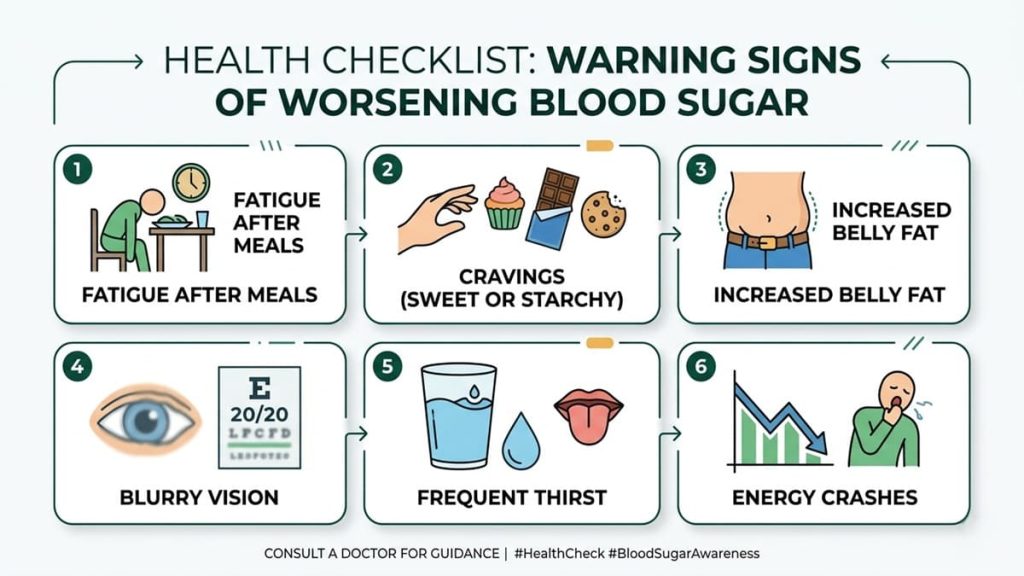
Blood sugar problems often progress gradually, which is why many people miss the early warning signs. Symptoms may come and go for months, sometimes even years, or even before they become serious enough to demand attention.
If you have been feeling “off” lately, your body may be trying to tell you something.
Some common warning signs of worsening blood sugar imbalance include:
- Fatigue after meals: – feeling sleepy, sluggish, or mentally foggy shortly after eating
- Constant snacking or cravings: – especially for sugary or carb-heavy foods
- Stubborn belly fat: – particularly around the midsection
- Frequent energy crashes: – needing caffeine or sugar to get through the day
- Waking up thirsty at night: – or needing to urinate more often
- Blurry vision: – especially during periods of high blood sugar fluctuations
These symptoms do not automatically mean someone has Type 2 diabetes, but they can be signs that insulin resistance and high blood sugar are becoming more difficult for the body to manage.
One challenge is that many of these symptoms feel “normal” in modern life. People often blame stress, ageing, poor sleep, or a busy schedule without realising that blood sugar could be contributing behind the scenes.
The earlier these patterns are recognised, the more opportunities there may be to improve blood sugar health before complications develop.
If you want a clearer picture of your current risk factors, you can take our free Blood Sugar Risk Self-Assessment. Many readers also find it helpful to use a downloadable blood sugar tracker or follow a simple 7-day meal guide to start identifying habits that may be affecting their glucose levels.
What to Do Next if You’ve Been Diagnosed
Hearing the words prediabetes or Type 2 diabetes can feel overwhelming at first. Many people immediately worry about restrictions, medications, or long-term complications. But a diagnosis can also be an opportunity to better understand your body and begin making changes that support healthier blood sugar levels over time.
The key is focusing on practical, sustainable progress instead of trying to change everything overnight.
Questions to Ask Your Doctor
Many people leave appointments confused because they are not sure what questions to ask.
Some helpful ones include:
- What are my current A1C and fasting glucose levels?
- How severe is my insulin resistance?
- What lifestyle changes would likely help most?
- Should I monitor my blood sugar at home?
- Are there specific foods or habits I should focus on first?
Understanding your numbers and risk factors can make blood sugar management feel far less intimidating.
Lifestyle Changes That Actually Matter
Extreme diets often fail because they are difficult to maintain long-term.
Instead, the most effective changes are usually the simplest:
- eating more balanced meals,
- increasing daily movement,
- improving sleep quality,
- managing stress,
- and reducing highly processed foods.
Consistency matters far more than perfection.
How to Build Sustainable Habits
Trying to overhaul your entire lifestyle in one week often leads to burnout.
Small routines are usually easier to maintain:
- short walks after meals,
- adding more protein and fibre,
- drinking more water,
- or improving bedtime habits.
These smaller habits can gradually improve insulin sensitivity and energy levels over time.
Small Changes That Compound Over Time
Blood sugar health is often shaped by daily patterns, not one perfect decision.
Many readers find it helpful to use structured meal plans, educational newsletters, glucose tracking tools, or supplement comparison guides to simplify the process and reduce confusion. Some people also explore evidence-based blood sugar support products alongside lifestyle improvements as part of a broader long-term strategy.
The goal is progress you can realistically maintain, and not temporary motivation that disappears after a few weeks.
Blood Sugar Support Supplements: What to Know
Blood sugar support supplements are not miracle cures, and they should never replace medical care, healthy nutrition, or prescribed treatment plans. However, some ingredients have been studied for their potential role in supporting insulin sensitivity and healthy glucose metabolism when combined with lifestyle changes.

Ingredients Commonly Studied for Blood Sugar Support
Some of the most commonly researched ingredients include:
- Berberine
- Chromium
- Alpha-lipoic acid
- Cinnamon extract
- Magnesium
Research on these ingredients is still evolving, and results can vary from person to person. That’s why it’s important to approach supplements as supportive tools rather than quick fixes.
What to Look for in a Quality Supplement
If you are considering a blood sugar support supplement, look for:
- transparent ingredient labelling,
- clinically studied dosages,
- third-party testing,
- and reputable manufacturing standards.
It’s also smart to discuss supplements with a healthcare professional, especially if you take medication or monitor blood sugar closely. Many readers find it helpful to compare ingredients, research, and quality standards before deciding which products may best fit their needs.
Frequently Asked Questions
Can prediabetes turn into Type 2 diabetes?
Yes. Prediabetes can progress into Type 2 diabetes if blood sugar levels continue rising over time. However, many people are able to improve insulin resistance and lower their risk through lifestyle changes like nutrition, movement, weight management, stress reduction, and better sleep.
Some people can put Type 2 diabetes into remission, meaning blood sugar levels return to a healthier range without needing as much medication. Results vary from person to person, and long-term lifestyle habits still play an important role.
Foods that are highly processed or rapidly digested tend to cause larger blood sugar spikes. Common examples include sugary drinks, candy, white bread, pastries, chips, and heavily processed snacks.
A normal A1C level is generally below 5.7%. Prediabetes typically falls between 5.7% and 6.4%, while 6.5% or higher may indicate Type 2 diabetes.
Some people notice improvements within a few weeks of consistent lifestyle changes, while others may take several months. Factors like insulin resistance, stress, sleep, activity levels, and nutrition all influence results.
Early warning signs may include fatigue, sugar cravings, frequent hunger, increased thirst, blurry vision, energy crashes, and frequent urination.
Not exactly. Insulin resistance is a condition where cells stop responding efficiently to insulin. Prediabetes often develops after insulin resistance has already been present for some time.
In Conclusion
A prediabetes or Type 2 diabetes diagnosis can feel frightening at first, especially if you have been dealing with fatigue, cravings, confusing symptoms, or years of frustration around your health. But blood sugar health is not just about one lab result. It’s shaped by daily habits, long-term patterns, and small decisions that build over time.
The most important thing to remember is that progress matters more than perfection. Even modest changes involving nutrition, movement, sleep, and stress management may help support healthier blood sugar levels and improve how you feel day to day.
If you’d like extra support on your blood sugar journey, join our educational email newsletter and drop a comment below to get access to our Blood Sugar Starter Guide, evidence-based supplement resource page, and blood sugar education hub. You will find practical tools, simple meal ideas, and beginner-friendly strategies designed to help make the process feel more manageable and sustainable.
Related posts