
How Supplements Support Healthy Blood Sugar Levels: What They Do (and What They Don’t)

How Supplements Support Healthy Blood Sugar Levels: What They Do (and What They Don’t)

Why Blood Sugar Balance Matters
Blood sugar balance plays a central role in how the body produces energy, manages metabolism, and maintains long-term health. Every time you eat, your body converts food into glucose, which enters the bloodstream and is used by cells for fuel. When this process works smoothly, energy levels stay steady, mental focus improves, and the body is better able to regulate appetite and weight.
Problems begin when blood sugar rises too high or drops too quickly. Over time, frequent spikes and crashes can affect how the body responds to insulin, making blood sugar management more difficult. This is one reason stable blood sugar levels are closely linked to metabolic health, energy stability, and overall well-being.
Concern about blood sugar has grown worldwide in recent years. More people are paying attention to how diet, physical activity, sleep, and stress influence glucose levels throughout the day. As awareness increases, many are looking for practical ways to support healthier metabolic balance.
This is where natural blood sugar support strategies often come into the conversation. Alongside lifestyle habits like balanced nutrition and regular movement, certain supplements are commonly used to help support the body’s normal glucose regulation processes. Understanding how these supplements work and what they realistically can and cannot do is an important part of making informed decisions about blood sugar management.
What “Healthy Blood Sugar Levels” Actually Mean
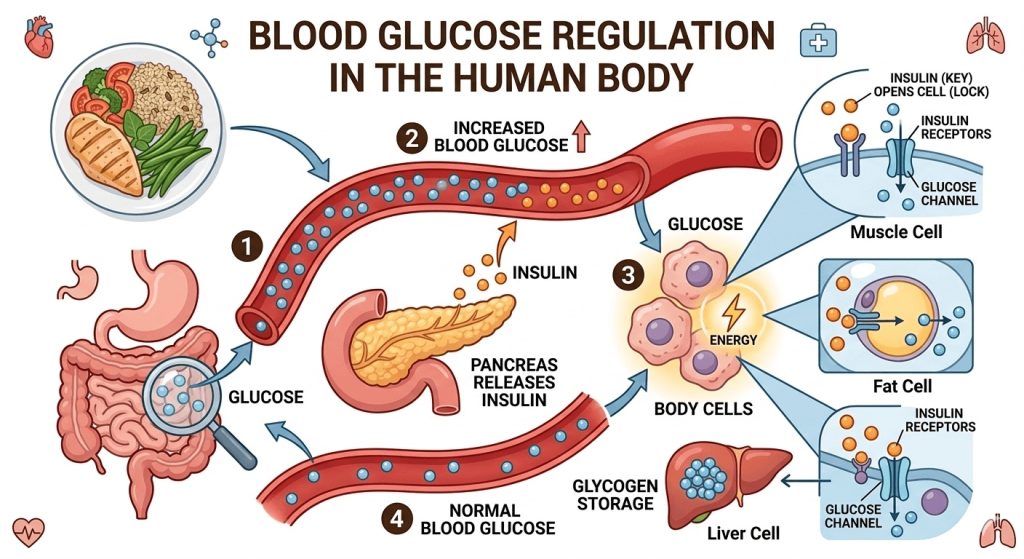
When people talk about healthy blood sugar levels, they are referring to the amount of glucose circulating in the bloodstream at any given time. Glucose is a type of sugar that comes mainly from the carbohydrates we eat. Foods like rice, bread, fruit, and even some vegetables are broken down during digestion and converted into glucose.
This glucose becomes the body’s main source of fuel. Your brain, muscles, and organs rely on it to function properly. But for the body to work efficiently, glucose levels need to stay within a healthy range. Too much glucose in the blood for long periods can strain the body’s metabolic systems, while levels that drop too low can leave you feeling weak, shaky, or fatigued.
Maintaining blood glucose regulation is one of the body’s most important balancing acts. Several organs and hormones work together to keep glucose levels stable throughout the day, especially after meals.
How the Body Naturally Regulates Blood Sugar
After you eat, glucose from food enters the bloodstream. In response, the pancreas releases a hormone called insulin. Insulin acts like a key that helps move glucose out of the bloodstream and into the body’s cells, where it can be used for energy or stored for later use.
When this process works well, blood sugar rises slightly after meals and then gradually returns to normal. The body keeps this balance by adjusting how much insulin it releases and how efficiently cells respond to it.
This response is often described as insulin sensitivity. When cells are sensitive to insulin, they respond easily, allowing glucose to enter and be used for energy. When sensitivity declines, the body may need to release more insulin to manage the same amount of glucose.
Healthy blood sugar levels depend on this coordinated system working smoothly, along with supportive lifestyle habits that help maintain stable glucose regulation over time.
Why Lifestyle Still Comes First

When people begin looking for ways to improve blood sugar management, supplements often come up quickly in the conversation. While certain nutrients and plant compounds may support metabolic health, it’s important to understand one key point: supplements work best as support, not as a replacement for healthy habits.
The body’s ability to maintain healthy blood sugar levels is strongly influenced by daily lifestyle choices. Nutrition, movement, sleep, and stress all affect how the body processes glucose and how well cells respond to insulin. Without these basics in place, even the best supplements may have a limited impact.
Supplements Work Best When the Foundation Is Solid
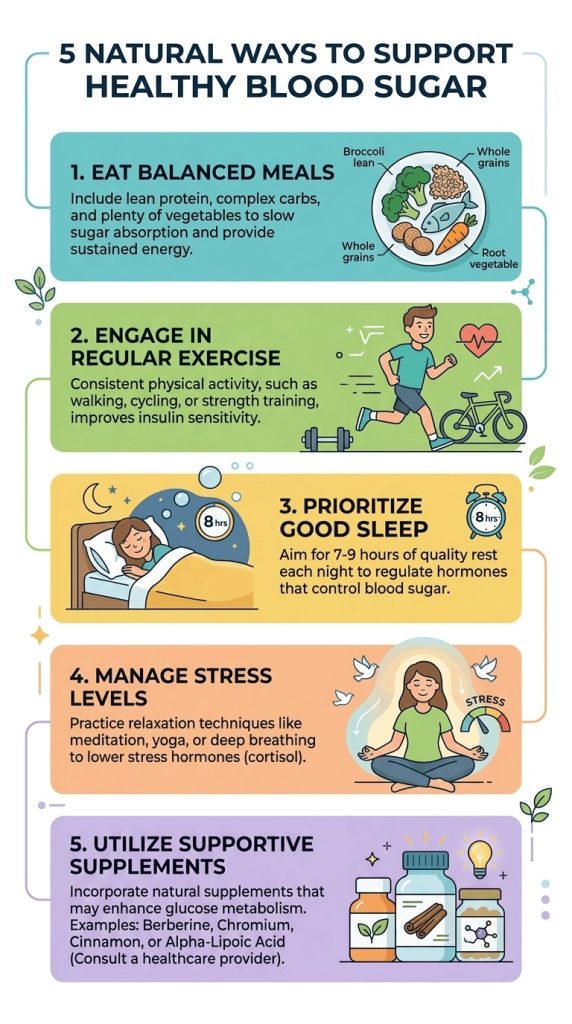
One of the most effective natural ways to support blood sugar begins with balanced nutrition. Meals that include protein, fiber, and healthy fats tend to slow the release of glucose into the bloodstream. This helps prevent sharp spikes and crashes that can strain the body’s metabolic system.
Physical activity also plays a powerful role in lifestyle and blood sugar control. When muscles contract during exercise, they use glucose for energy. Activities like strength training, walking, and regular movement throughout the day can help the body use glucose more efficiently and improve insulin sensitivity over time.
Sleep is another factor many people overlook. Poor sleep can disrupt hormones that influence appetite, metabolism, and blood sugar balance. Consistently getting enough rest helps the body maintain more stable glucose levels during the day.
Stress management matters as well. When the body is under prolonged stress, it releases hormones such as cortisol that can push blood sugar levels higher. Practices that help regulate stress, such as physical activity, relaxation techniques, and structured routines, can support more stable metabolic function.
This is why experts often emphasize lifestyle first. Supplements can play a helpful role in a broader strategy for blood sugar support, but they work best when they are added to a solid foundation of healthy daily habits. When nutrition, movement, sleep, and stress are aligned, the body is better positioned to maintain balanced glucose levels naturally.
How Supplements Support Blood Sugar (What They Actually Do)
Many people explore supplements as part of a broader strategy for blood sugar regulation. While supplements are not a cure or a quick fix, some nutrients and plant compounds have been studied for how they support the body’s natural metabolic processes. Understanding these mechanisms helps explain why certain supplements are commonly used for blood sugar support.
Improving Insulin Sensitivity
One of the main ways supplements may help is by supporting insulin sensitivity. Insulin is the hormone responsible for helping glucose move from the bloodstream into the body’s cells, where it can be used for energy.
When cells respond well to insulin, glucose is cleared from the bloodstream more efficiently. Some insulin sensitivity supplements, including certain minerals and plant compounds, may help support this process by improving how cells respond to insulin signals. This can contribute to more stable blood sugar patterns over time.
Supporting Glucose Metabolism
Another key role of some supplements involves glucose metabolism, which is how the body processes and uses sugar for energy. Vitamins and minerals are involved in many metabolic reactions that help convert glucose into usable fuel for cells.
When the body has adequate levels of these nutrients, it may process carbohydrates more efficiently. This can support balanced energy production and help maintain steadier blood sugar levels throughout the day.
Slowing Carbohydrate Absorption
Some plant-based compounds may influence how quickly carbohydrates are broken down and absorbed during digestion. By slowing this process, glucose enters the bloodstream more gradually rather than all at once.
This slower absorption can help reduce sharp spikes in blood sugar after meals, which is an important part of maintaining stable blood sugar regulation.
Supporting Pancreatic Function
The pancreas plays a central role in blood sugar control because it produces insulin. Certain nutrients may help support normal metabolic activity in the pancreas and the broader systems involved in glucose regulation.
While supplements cannot replace healthy lifestyle habits, they may help support the body’s natural processes involved in insulin signaling, glucose metabolism, and overall metabolic balance when used as part of a comprehensive approach to blood sugar health.
Supplements Often Studied for Blood Sugar Support

Researchers have spent years studying nutrients and plant compounds that may help support blood sugar regulation. While results can vary from person to person, several supplements are frequently discussed in research and health discussions around natural blood sugar support. These supplements are typically used alongside healthy lifestyle habits, not as replacements for them.
Below are some of the best supplements for blood sugar support that have been studied for their potential role in metabolic health.
Magnesium
Magnesium is an essential mineral involved in hundreds of biochemical reactions in the body, including those related to glucose metabolism. It helps the body use insulin effectively and supports energy production inside cells. Low magnesium levels have been linked in research to reduced insulin sensitivity, which is why it is often included among important vitamins for blood sugar support.
Chromium
Chromium is a trace mineral that plays a role in how the body processes carbohydrates and fats. It supports insulin function and may help improve how cells respond to insulin signals. Because of this role in metabolic activity, chromium supplements are commonly discussed in conversations about blood sugar balance.
Berberine
Berberine is a plant compound found in several herbs. It has gained attention in research for its potential effects on blood sugar regulation and metabolic function. Some studies suggest berberine may support insulin sensitivity and influence enzymes involved in glucose metabolism.
Cinnamon Extract
Cinnamon is one of the most widely discussed natural herbs for blood sugar support. Certain compounds found in cinnamon may help support insulin activity and slow the breakdown of carbohydrates during digestion. This may help reduce sharp increases in blood sugar after meals.
Alpha-Lipoic Acid
Alpha-lipoic acid is an antioxidant that plays a role in energy metabolism. It helps cells convert glucose into energy and may support insulin sensitivity. Because of its involvement in cellular metabolism, it is sometimes included in supplement formulas aimed at supporting blood sugar balance.
Fiber Supplements
Dietary fiber slows digestion and helps regulate how quickly carbohydrates are absorbed into the bloodstream. Soluble fiber in particular, forms a gel-like substance in the digestive system, which can slow the rise of blood sugar after meals. Fiber supplements are often recommended when people struggle to get enough fiber through diet alone.
Bitter Melon
Bitter melon is a traditional plant used in many cultures for metabolic health. Compounds found in bitter melon may influence how the body processes glucose and how cells use sugar for energy. For this reason, it is often included among natural herbs for blood sugar support.
Fenugreek
Fenugreek seeds contain soluble fiber and plant compounds that may help slow carbohydrate absorption and support glucose metabolism. Some research suggests fenugreek may contribute to steadier blood sugar levels when combined with balanced nutrition and healthy lifestyle habits.
Together, these nutrients and plant compounds represent some of the most commonly studied ingredients used for natural blood sugar support. Their role is to complement healthy habits that support stable blood sugar levels over time.
Understanding the Limits of Supplements
When people begin researching blood sugar support, a common question is: Do blood sugar supplements work? The answer is more nuanced than many expect. Some supplements may support the body’s natural metabolic processes, but they also have clear limitations.
First, supplements do not instantly lower blood sugar. The body regulates glucose through complex systems involving hormones, organs, and metabolism. Nutrients and plant compounds can support these processes, but they typically work gradually and depend on consistent use alongside healthy habits.
Second, supplements are not a replacement for medical care. Individuals with diagnosed metabolic conditions should always work with a healthcare professional when managing blood sugar. Supplements may sometimes be included as part of a broader plan, but they should never replace prescribed treatment or professional guidance.
It’s also important to understand that supplements cannot undo poor diet and lifestyle habits. If meals regularly cause large blood sugar spikes, or if physical activity and sleep are neglected, supplements alone are unlikely to create meaningful change.
Finally, supplements do not work overnight. Supporting metabolic balance takes time, consistency, and a foundation of healthy routines. When comparing supplements vs medication for blood sugar, the key difference is that supplements are designed to support the body’s natural systems, not act as immediate medical interventions.
How Long It Usually Takes to See Results
One of the most common questions people ask is how long blood sugar supplements take to work. The honest answer is that results usually take time. Unlike medications designed to act quickly, many supplements support the body gradually as part of a broader strategy for managing blood sugar naturally.
For many people, noticeable changes may take several weeks of consistent use. This is because supplements often work by supporting metabolic processes such as insulin sensitivity, glucose metabolism, or nutrient balance in the body. These changes tend to develop slowly rather than overnight.
Several factors can influence how quickly results appear.
Diet plays a major role. A balanced diet that includes protein, fiber, and healthy fats can help stabilize blood sugar and support the effectiveness of supplements.
Physical activity also matters. Regular movement helps muscles use glucose for energy, which supports healthier blood sugar patterns.
Metabolic health is another factor. People starting with better metabolic balance may notice improvements sooner than those with more significant imbalances.
Consistency is equally important. Supplements typically work best when taken regularly over time.
Finally, the quality of the supplement can influence results. Well-formulated products with reliable ingredients are more likely to support the body’s natural processes involved in maintaining balanced blood sugar levels.
Safety and When to Speak with a Healthcare Professional
While many people explore supplements as part of managing blood sugar naturally, safety should always come first. Even when products are labeled as natural, it’s important to understand that supplements can still affect the body in meaningful ways. Paying attention to blood sugar supplement safety helps ensure they are used responsibly.
One important consideration is interactions with medications. Some supplements that influence blood sugar regulation may interact with prescription medications used for glucose control. When combined without proper guidance, this could potentially cause blood sugar levels to drop too low or lead to other unintended effects.
Dosage is another factor to keep in mind. Taking more than the recommended amount does not necessarily lead to better results and may increase the likelihood of unwanted reactions. Following recommended guidelines and using products from reputable manufacturers can help reduce potential risks.
Individual health conditions also play a role. Factors such as existing metabolic conditions, pregnancy, or other medical concerns can influence how the body responds to supplements.
Although many supplements are generally well tolerated, some individuals may still experience mild natural blood sugar supplements side effects, such as digestive discomfort or sensitivity to certain ingredients. For this reason, it is always wise to consult a qualified healthcare professional before starting any new supplement, especially if you are currently taking medication or managing an existing health condition.
Practical Steps for Supporting Healthy Blood Sugar

Maintaining stable glucose levels often comes down to small, consistent habits. The good news is that several simple lifestyle choices can make a meaningful difference. These practical tips for blood sugar control focus on supporting the body’s natural metabolic balance.
One helpful step is building muscle through strength training. Muscle tissue uses glucose for energy, which can support better blood sugar balance over time. Even light resistance exercises done regularly can help.
Another effective habit is taking short walks after meals. A brief 10–15 minute walk can help the body use glucose more efficiently and reduce post-meal blood sugar spikes.
Nutrition also plays a key role. Prioritizing protein and fiber in meals can slow digestion and help maintain steadier glucose levels throughout the day.
Stress management is equally important. Chronic stress may affect hormones that influence blood sugar.
Finally, some people choose targeted supplementation as part of their routine. When combined with these daily habits for healthy blood sugar, supplements can help support long-term metabolic balance.
Conclusion: Supplements as Support, Not Replacement
Supplements can play a supportive role in maintaining healthy metabolic function, especially for people looking for additional ways to maintain blood sugar balance. Certain nutrients, minerals, and plant compounds have been studied for how they assist the body’s natural processes involved in glucose metabolism and insulin response. When used responsibly, they can complement broader strategies aimed at improving overall metabolic health.
However, it is important to remember that supplements are not designed to replace the foundations of blood sugar management. Daily habits such as balanced nutrition, regular physical activity, quality sleep, and stress management remain the most important factors influencing how the body regulates glucose. These lifestyle factors shape how well the body responds to insulin and how efficiently it uses glucose for energy.
Consistency also plays a major role. Natural approaches to health rarely produce overnight changes. Instead, they work gradually as the body adapts to healthier routines and supportive nutrients over time. People who see the best results are usually those who combine consistent habits with informed decisions about supplementation.
It is also helpful to approach supplements with realistic expectations. They are best viewed as tools that support the body’s natural systems rather than quick solutions for complex metabolic issues.
When healthy lifestyle practices form the foundation, supplements can add an extra layer of support for maintaining stable glucose levels and overall metabolic balance.
In the end, the goal is not quick fixes. It is steady, consistent support for how the body naturally regulates blood sugar.
Related posts