
Best Supplements for Blood Sugar Control: What Actually Works?
Best Supplements for Blood Sugar Control: What Actually Works?

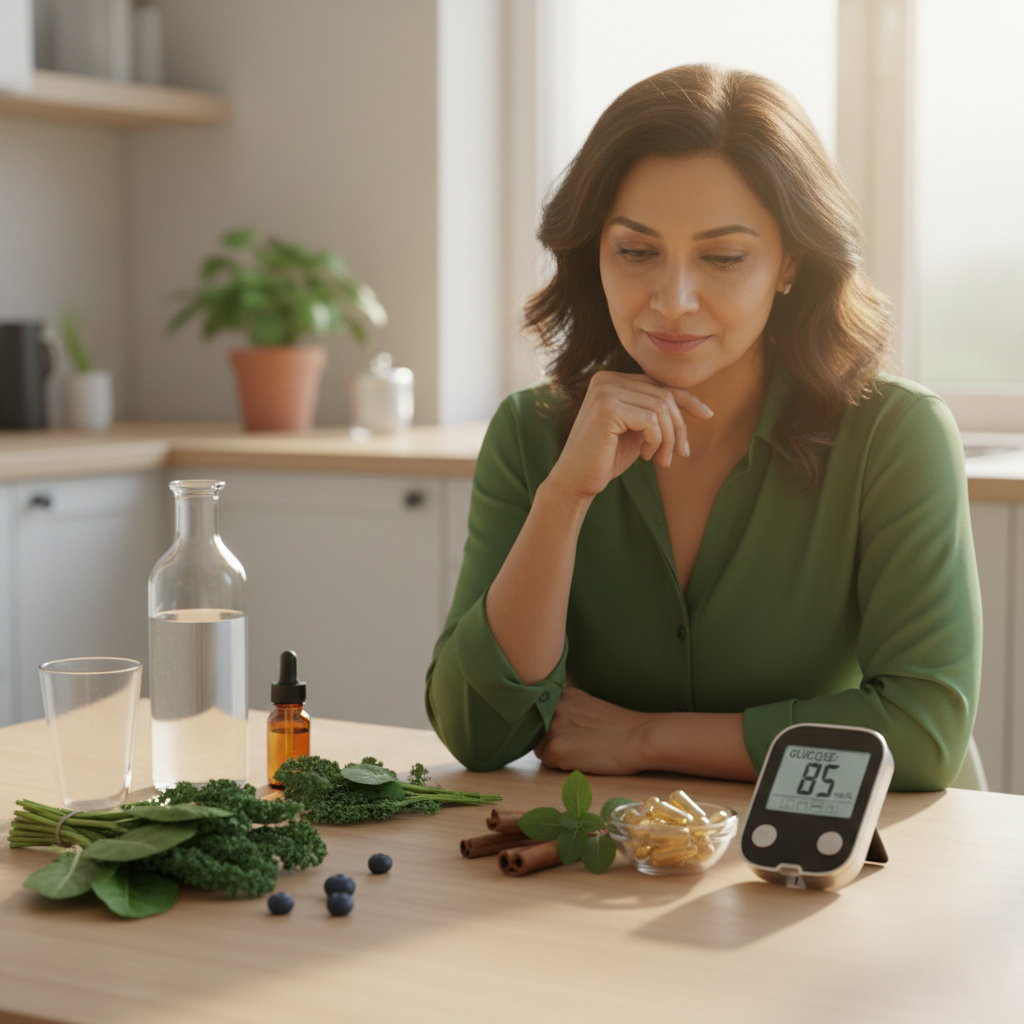
Maintaining healthy blood sugar levels is essential for long-term health, and many people are now turning to supplements for blood sugar control as part of their overall strategy. When blood sugar stays within a normal range, the body has steady energy, the brain functions clearly, and vital organs like the heart, kidneys, and eyes are better protected. But when blood sugar frequently rises too high or drops too low, it can lead to fatigue, cravings, mood changes, and, over time, serious complications such as type 2 diabetes, nerve damage, and cardiovascular problems.
In today’s fast-paced world, where processed foods and sedentary lifestyles are common, blood sugar imbalance has become increasingly widespread. As a result, more people are actively looking for practical ways to support their glucose levels beyond just diet and exercise.
This growing concern has led to a surge of interest in dietary supplements that claim to help maintain healthy blood sugar. From herbal extracts to key vitamins and minerals, many natural compounds are being studied for their role in supporting insulin function, glucose metabolism, and overall metabolic balance. But how do these supplements actually work, and can they truly make a difference?
That’s where the balancing act begins.
Understanding Blood Sugar Levels
Blood sugar, also known as blood glucose, is the amount of sugar circulating in your bloodstream at any given time. Glucose comes primarily from the foods you eat, especially carbohydrates like rice, bread, fruits, and sugary snacks. Once digested, glucose enters the bloodstream and serves as the body’s main source of energy.
To keep things balanced, the body relies on a hormone called insulin, produced by the pancreas. Insulin acts like a key. It helps move glucose from the bloodstream into the cells, where it can be used for energy. When this system works properly, blood sugar levels stay within a healthy range. Energy feels steady. Hunger is more controlled. The body functions efficiently.
Problems begin when this balance is disrupted.
If the body does not produce enough insulin, or if the cells stop responding to insulin effectively, glucose builds up in the bloodstream. Over time, consistently high blood sugar can damage blood vessels and nerves. This is where serious health issues can develop.
One of the most well-known conditions related to blood sugar imbalance is diabetes.
- Prediabetes occurs when blood sugar levels are higher than normal but not yet high enough for a diabetes diagnosis. Many people have it without realising it.
- Type 2 diabetes develops when the body becomes insulin-resistant or does not produce enough insulin. This is the most common form and is strongly linked to lifestyle factors.
- Type 1 diabetes is an autoimmune condition where the body does not produce insulin at all.
Uncontrolled blood sugar can lead to complications affecting the heart, kidneys, eyes, and nerves. It can also increase the risk of stroke and other cardiovascular problems.
Even for people who do not have diabetes, frequent spikes and crashes in blood sugar can lead to fatigue, intense cravings, weight gain, and difficulty concentrating. That is why maintaining stable glucose levels is not just a concern for people with diabetes. It is a priority for anyone who wants better energy, metabolic health, and long-term wellness.
Understanding how blood sugar works is the first step. The next step is learning how lifestyle choices and targeted support, including certain supplements, may help keep that delicate balance in check.
Key Supplements for Blood Sugar Support
While nutrition, movement, and weight management remain the foundation of healthy blood sugar control, certain supplements have gained attention for their potential supportive role. These compounds do not replace medical care or lifestyle changes, but research suggests they may help improve insulin function and glucose metabolism when used appropriately.
Let’s look at some of the most studied options.
Chromium Picolinate
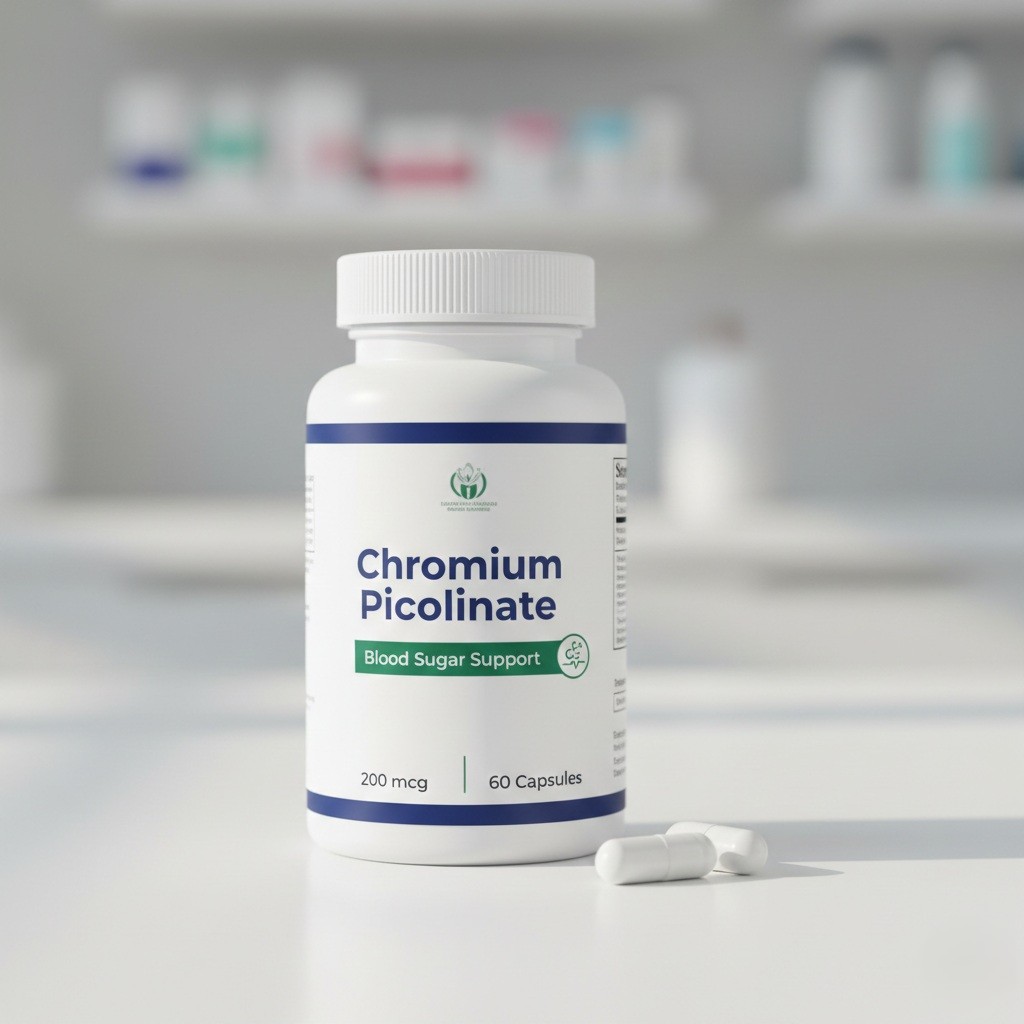
Chromium is a trace mineral that plays a role in carbohydrate and fat metabolism. It enhances the action of insulin, helping the hormone work more efficiently.
Chromium picolinate is a highly absorbable form often used in supplements. Research suggests it may improve insulin sensitivity, meaning the body’s cells respond better to insulin’s signal to absorb glucose. For individuals with insulin resistance or prediabetes, this improved responsiveness can help reduce blood sugar fluctuations.
Some studies have also observed modest improvements in fasting blood sugar and HbA1c levels in people with type 2 diabetes, although results vary. The benefit appears to be more noticeable in those who are deficient in chromium or have impaired glucose control.
Alpha-Lipoic Acid (ALA)
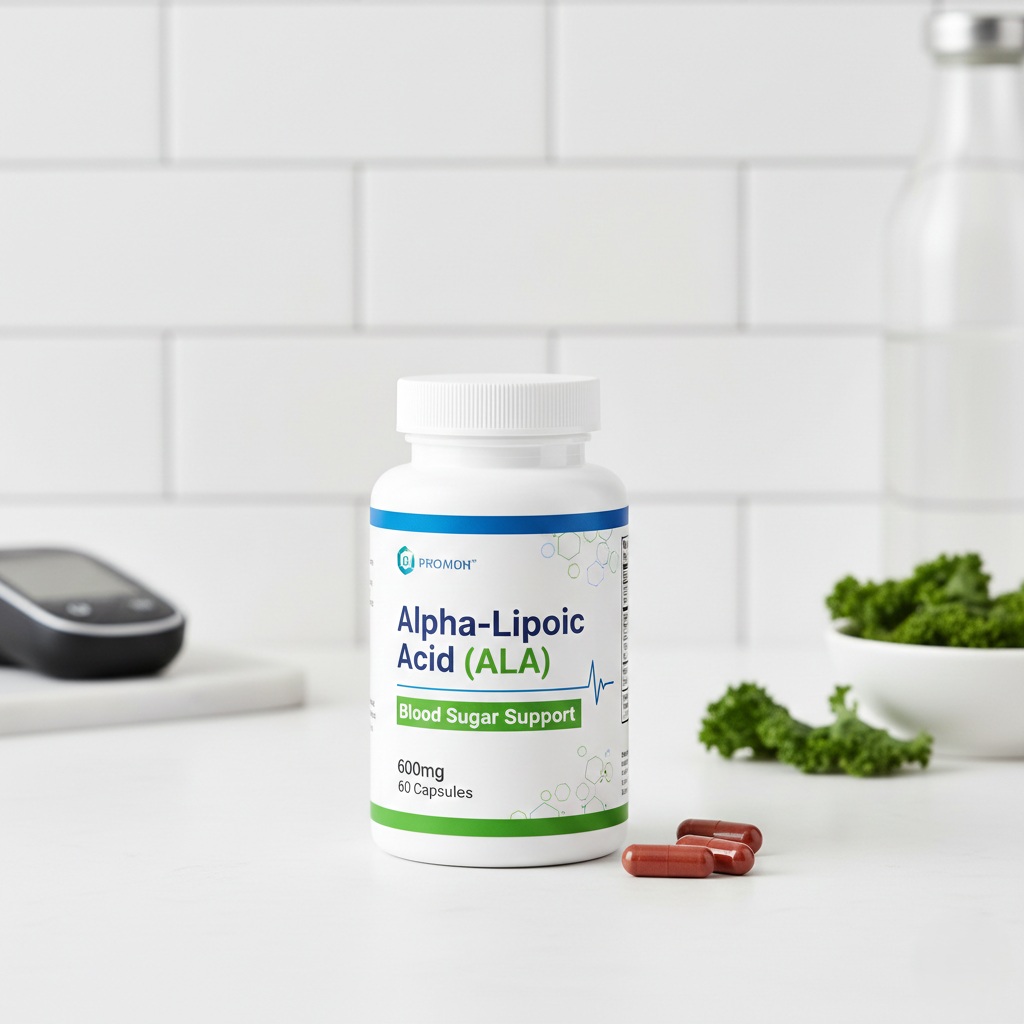
Alpha-lipoic acid is a powerful antioxidant naturally produced in small amounts by the body. It plays a key role in energy metabolism and helps reduce oxidative stress, which is often elevated in people with high blood sugar levels.
One of ALA’s most interesting effects is its ability to improve glucose uptake in cells. It appears to enhance insulin sensitivity and support the transport of glucose from the bloodstream into muscle cells.
ALA has also been studied for its role in reducing symptoms of diabetic neuropathy, such as tingling and nerve pain. Its antioxidant action helps protect nerves from damage caused by prolonged high blood sugar.
Berberine

Berberine is a plant compound found in herbs such as Berberis species. It has been used in traditional Chinese and Ayurvedic medicine for centuries.
In recent years, berberine has attracted significant scientific attention. Studies suggest it may help lower fasting blood sugar, improve insulin sensitivity, and reduce HbA1c levels. Some research has even compared its glucose-lowering effects to certain prescription medications, though it should never be used as a substitute without medical supervision.
Berberine appears to work by activating an enzyme called AMPK, often referred to as a “metabolic master switch.” This activation helps regulate glucose production in the liver and improves how the body uses sugar for energy.
Cinnamon Extract
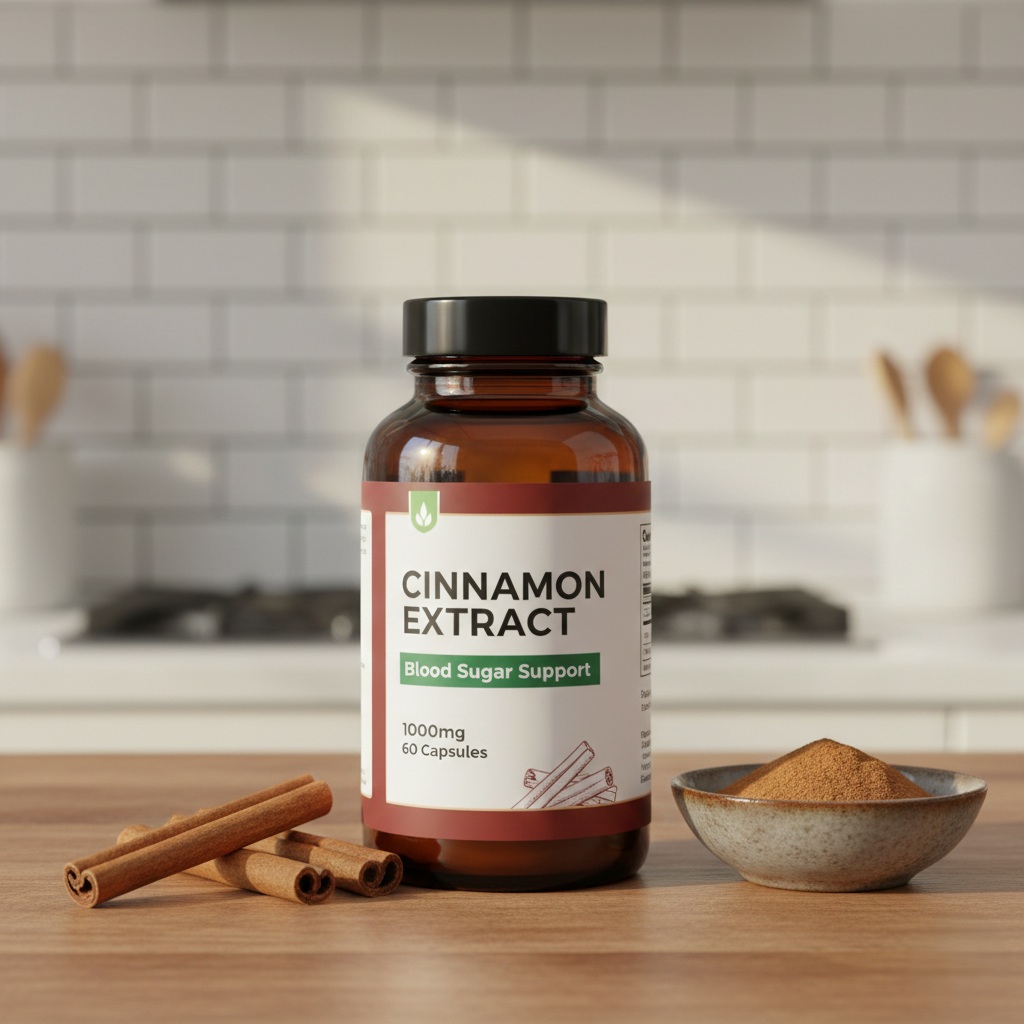
Cinnamon is more than just a kitchen spice. Certain concentrated extracts, particularly from Ceylon or specific standardised forms, have been studied for their potential blood sugar benefits.
Compounds in cinnamon may help improve insulin sensitivity, making it easier for cells to respond to insulin. Some studies suggest cinnamon extract can modestly reduce fasting blood sugar levels and improve overall glycemic control.
The effects are generally mild, but when combined with proper diet and exercise, cinnamon may offer additional support in maintaining steady glucose levels.
How These Supplements Work
Now that we’ve looked at individual supplements, the next question is simple: how do they actually influence blood sugar levels inside the body?
Although each compound works differently, most blood sugar–support supplements act through one or more of these key mechanisms:
1. Improving Insulin Sensitivity
Insulin sensitivity refers to how effectively your cells respond to insulin. When sensitivity is high, insulin can easily move glucose from the bloodstream into the cells. When sensitivity is low, the body needs to produce more insulin to get the same job done.
Chromium, cinnamon extract, alpha-lipoic acid, and berberine all show evidence of enhancing insulin sensitivity. This means cells become more responsive to insulin’s signal, helping reduce excess glucose circulating in the blood.
2. Enhancing Glucose Uptake
Some supplements help muscle and fat cells absorb glucose more efficiently. Alpha-lipoic acid, for example, supports glucose transport into cells, while berberine influences metabolic pathways that regulate how sugar is used for energy.
The result is less glucose lingering in the bloodstream and more being used productively by the body.
3. Reducing Glucose Production in the Liver
The liver plays a major role in blood sugar regulation. It releases stored glucose into the bloodstream when energy is needed. However, in insulin resistance and type 2 diabetes, the liver can release too much glucose.
Berberine has been shown to help regulate this process by activating AMPK, which helps control glucose production and overall metabolic balance.
4. Lowering Oxidative Stress
Chronically elevated blood sugar increases oxidative stress in the body. Over time, this damages blood vessels, nerves, and organs.
Alpha-lipoic acid, as a potent antioxidant, helps reduce oxidative damage. By supporting cellular health, it may indirectly improve how the body manages glucose.
Tips for Incorporating Supplements into Your Routine
Adding supplements to your daily routine does not have to be complicated. The key is consistency, proper dosing, and making sure they fit safely into your overall health plan.
Pay Attention to Dosage
More is not always better. Supplements work best within studied dosage ranges, and exceeding those amounts can increase the risk of side effects.
While exact recommendations may vary depending on the product and individual needs, common research ranges include:
- Chromium picolinate: Often 200–1,000 mcg per day
- Alpha-lipoic acid: Commonly 300–600 mg per day
- Berberine: Frequently, 500mg is taken two to three times daily
- Cinnamon extract: Typically 500–1,200 mg per day (standardised extracts preferred)
These ranges are general references, not personal prescriptions. Product quality, concentration, and your specific health condition matter. Always read labels carefully and follow manufacturer guidelines unless advised otherwise by a healthcare professional.
Consider Timing for Better Results
Timing can influence effectiveness:
- Berberine is often taken before meals to help manage post-meal glucose spikes.
- Alpha-lipoic acid may be taken on an empty stomach for better absorption.
- Chromium and cinnamon are commonly taken with meals to support glucose metabolism.
Spacing doses throughout the day may also help maintain steady support, especially for supplements taken more than once daily.
Start Gradually
If you are new to supplementation, introduce one supplement at a time. This allows you to observe how your body responds and makes it easier to identify any side effects.
Some compounds, particularly berberine, may cause mild digestive discomfort initially. Starting at a lower dose and gradually increasing may improve tolerance.
Make Supplements Part of a Bigger Plan
Supplements should support your diet, not compensate for poor eating habits. Focus first on:
- Reducing refined sugars and processed carbohydrates
- Increasing fibre intake
- Staying physically active
- Maintaining a healthy weight
When these habits are in place, supplements can enhance your results rather than working against unhealthy patterns.
Always Consult a Healthcare Professional
This step is essential.
If you are pregnant, breastfeeding, taking prescription medications, or managing a condition such as diabetes, you must speak with a qualified healthcare provider before starting any supplement.
Certain supplements can interact with medications, especially blood sugar–lowering drugs. Combining them without supervision may increase the risk of hypoglycemia or other complications.
A healthcare professional can help determine whether supplementation is appropriate, which product to choose, and what dosage fits your specific situation.
Lifestyle Factors That Complement Supplementation
Supplements can support blood sugar control, but they work best when paired with daily habits that stabilise glucose naturally. Think of lifestyle as the foundation. Supplements simply strengthen what is already in place.
Here are the three pillars that matter most.
1. Nutrition: Build Your Plate with Stability in Mind
What you eat has the most immediate impact on your blood sugar. Highly refined carbohydrates and sugary drinks can cause sharp spikes, followed by crashes that leave you tired and craving more sugar.
A balanced approach focuses on:
- High-fibre vegetables such as leafy greens, okra, broccoli, and cucumbers
- Moderate portions of complex carbohydrates like oats, brown rice, or sweet potatoes
- Lean proteins, including fish, eggs, poultry, and legumes
- Healthy fats from sources like avocado, nuts, seeds, and olive oil
Fibre slows the absorption of glucose. Protein and healthy fats reduce blood sugar spikes after meals. Together, they help create steadier energy throughout the day.
Practical tip: Instead of eating carbohydrates alone, always pair them with protein or healthy fat. For example, add eggs to your breakfast oats or combine fruit with nuts.
2. Exercise: Improve Insulin Sensitivity Naturally
Physical activity is one of the most powerful tools for blood sugar control. When you move your muscles, they use glucose for energy. This helps lower blood sugar levels and improves insulin sensitivity over time.
You do not need extreme workouts. Consistency matters more than intensity.
Practical ways to integrate movement:
- Take a 15 to 30-minute walk after meals
- Do bodyweight exercises at home three to four times per week
- Use the stairs instead of elevators when possible
- Stay active throughout the day rather than sitting for long periods
Even short bouts of movement can help reduce post-meal blood sugar spikes.
3. Stress Management: The Overlooked Factor
Chronic stress raises cortisol levels, and elevated cortisol can increase blood sugar. Many people focus on food and ignore stress, yet it quietly influences glucose control.
Simple stress-reduction strategies include:
- Deep breathing exercises for five minutes daily
- Prayer, meditation, or quiet reflection
- Prioritising sleep (aim for 7–8 hours per night)
- Limiting excessive caffeine intake
When stress is controlled, the body regulates blood sugar more effectively.
In Conclusion
Maintaining healthy blood sugar levels is not about quick fixes. It is about creating balance.
As we’ve seen, certain supplements such as chromium picolinate, alpha-lipoic acid, berberine, and cinnamon extract may offer meaningful support. They can help improve insulin sensitivity, enhance glucose uptake, reduce oxidative stress, and support overall metabolic health. For many people, these tools can practically complement diet and exercise.
But supplements work best when they are part of a bigger picture.
Consistent movement, balanced meals, stress management, and quality sleep remain the foundation of stable blood sugar. When these habits are in place, targeted supplementation can act as reinforcement rather than replacement.
Most importantly, blood sugar management is personal. What works well for one person may not be ideal for another. That is why staying informed and working with a qualified healthcare professional is essential, especially if you are taking medications or managing a medical condition. Personalised guidance ensures safety, proper dosing, and better long-term results.
The goal is not perfection. It is steady, informed progress.
Have you tried supplements to support your blood sugar levels? What has worked for you, and what challenges have you faced?
Share your experience in the comments below. Your insight could help someone else make a more informed decision on their own journey toward better health.
Related posts