
Common Mistakes People Over 40 With Prediabetes Make (And How to Avoid Them)

Common Mistakes People Over 40 With Prediabetes Make (And How to Avoid Them)

If you are over 40 and have been told you are prediabetic, you are not alone. For many people, this diagnosis comes quietly. No pain. No obvious symptoms. Just a lab result that says, “Your blood sugar is higher than normal.”
The problem is not the number itself. The real issue is what people do next. Or more often, what they don’t do.
Here are the most common mistakes people over 40 make with prediabetes, and why correcting them early can make a real difference.
1. Treating Prediabetes as “Not a Big Deal Yet”

One of the biggest mistakes is assuming prediabetes is harmless because it is not full-blown diabetes.
By your 40s, your metabolism is already slower than it was in your 20s. Muscle mass naturally declines. Hormonal changes affect how your body handles sugar. This means prediabetes does not stay “mild” for long if ignored.
Prediabetes is your early warning system. It is the stage where reversal is still very possible, but only if action is taken.
Practical shift:
Instead of waiting, start with small daily habits.
- Aim for regular meal times
- Reduce late-night eating
- Take a 10-to-15-minute walk after meals
These small steps lower blood sugar stress immediately.
2. Depending on Medication or Supplements Alone

Some people believe that once they find the right drug, herbal mix, or supplement, everything else will fall into place.
While certain medications and natural products can support blood sugar control, they cannot replace daily habits. Blood sugar is influenced every time you eat, sleep, move, or experience stress.
No supplement can cancel out poor sleep, constant snacking, or a high-carbohydrate diet.
Practical shift:
Use supplements as support, not substitutes.
- Pair any supplement with balanced meals
- Prioritise sleep before adding more products
- Avoid adding multiple remedies at once
Food and routine shape blood sugar more than any capsule.
3. Focusing Only on Fasting Blood Sugar
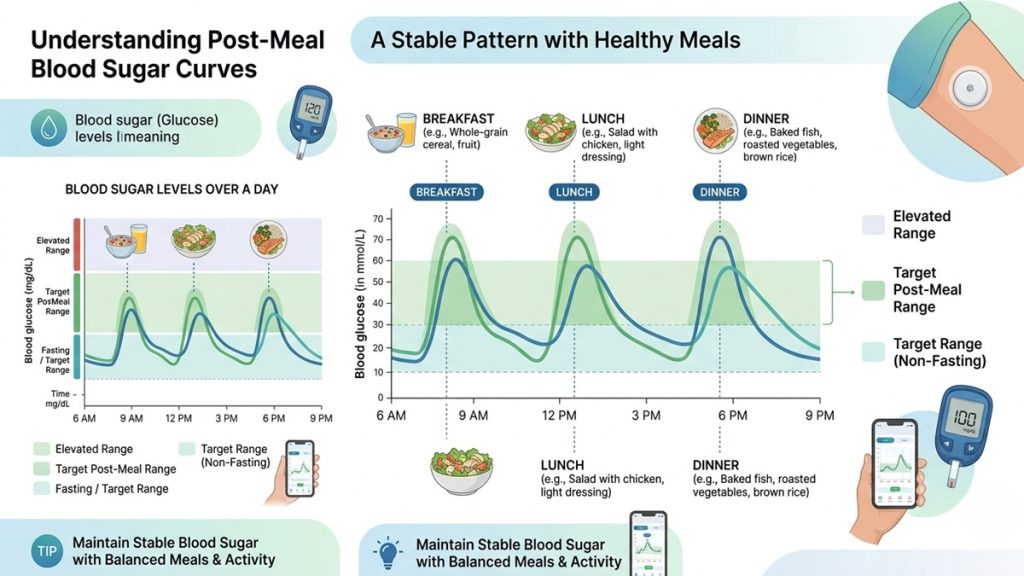
Many people over 40 check only their fasting blood sugar and assume all is well if that number looks acceptable.
What often gets missed are post-meal spikes. Blood sugar can rise sharply after meals and still return to normal by morning. Over time, these repeated spikes strain the body and worsen insulin resistance.
Prediabetes is not just about one number. It is about how your body responds throughout the day.
Practical shift:
Pay attention to how meals affect you.
- Notice energy crashes after meals
- Watch for excessive hunger two hours after eating
- If you test, check your blood sugar 1 to 2 hours after meals occasionally
Your daily patterns tell the real story.
4. Cutting Sugar but Keeping Refined Carbohydrates

A common change people make is removing sugar from tea, avoiding soft drinks, or cutting desserts. That is a good start, but it is not enough.
White rice, white bread, pastries, noodles, and processed cereals break down into sugar very quickly. For someone over 40, the body often struggles to handle these foods efficiently.
This is why many people feel frustrated. They believe they have “cut sugar,” yet their blood sugar remains high.
Practical food swaps:
- Replace white rice with smaller portions of brown rice or local alternatives like unripe plantain or beans
- Choose whole grains over white bread
- Limit pastries and baked snacks, even if they are homemade
Focus on how foods affect blood sugar, not just how sweet they taste.
5. Skipping Meals to “Control” Blood Sugar

Skipping meals is often seen as a shortcut to lower blood sugar or lose weight.
In reality, irregular eating can backfire. Long gaps between meals can increase stress hormone levels, trigger later overeating, and cause unstable blood sugar levels.
Consistency matters more than extremes, especially as the body ages.
Practical shift:
Aim for steady meals.
- Eat every 4 to 5 hours
- Combine protein, fibre, and healthy fat at meals
- Keep simple snacks like nuts, boiled eggs, or yoghurt available
Stability beats restriction.
6. Overeating Foods Labelled as Healthy
Healthy foods are still food. Fruits, smoothies, whole grains, nuts, and healthy oils all affect blood sugar when consumed in excess.
Many people over 40 unknowingly eat large portions because the food is considered “good.” Portion awareness becomes more important with age because insulin sensitivity naturally declines.
Practical examples:
- Limit fruit to one serving at a time
- Avoid large fruit smoothies with multiple bananas or mangoes
- Measure portions of grains and healthy oils
Eat with awareness, not assumptions.
7. Ignoring the Role of Stress and Sleep

Chronic stress and poor sleep are often overlooked, yet they play a major role in blood sugar control.
When you are stressed or sleep-deprived, your body releases hormones that raise blood sugar. This happens even if your diet is perfect.
For people over 40, recovery from stress is slower, and sleep quality often declines. Managing both is not optional. It is essential.
Practical lifestyle habits:
- Aim for 7 hours of sleep
- Reduce phone use before bed
- Practice slow breathing or prayer before sleep
- Create a consistent bedtime routine
Rest is part of blood sugar control.
8. Doing Little or the Wrong Type of Exercise

Some people avoid exercise because they feel tired or believe they are too old to start. Others rely only on long walks and light cardio.
While walking is beneficial, strength training is especially important after 40. Muscle helps your body use glucose more effectively. Losing muscle makes blood sugar control harder.
You do not need extreme workouts. Consistency and balance matter more.
Practical movement plan:
- Walk daily for general health
- Add simple strength exercises 2 to 3 times a week
- Use bodyweight exercises like squats, wall push-ups, or resistance bands
Muscle helps your body handle glucose better.
9. Assuming Weight Is the Only Problem

Prediabetes is not only about being overweight. Many people with normal or average weight still develop insulin resistance.
Fat around the organs, muscle loss, hormonal shifts, and inactivity all contribute. This is why focusing only on the scale can be misleading.
Practical focus:
- Measure progress by energy, waist size, and blood sugar trends
- Focus on building muscle, not just losing weight
- Avoid crash dieting
Health is more than the scale.
10. Not Tracking Progress Over Time

Another common mistake is failing to monitor progress. People make changes but never retest their blood sugar, review their habits, or pay attention to symptoms like fatigue or cravings.
Without feedback, it is impossible to know what is working and what needs adjustment.
Practical steps:
- Retest blood sugar as advised by your doctor
- Keep a simple food and symptom journal
- Note what meals keep you full and energised
Feedback helps you adjust early.
11. Following Conflicting Advice Online
The internet is full of extreme diets, quick fixes, and conflicting opinions. One day, carbs are the enemy. The next day, fat is blamed.
For someone over 40, jumping from one trend to another often leads to confusion and burnout. Simple, consistent principles work better than extremes.
Practical filter:
- Be cautious of one-size-fits-all advice
- Avoid extreme carb elimination unless supervised
- Stick to consistent, sustainable habits
Simple routines outperform trends.
12. Waiting Until It Turns Into Diabetes
Perhaps the costliest mistake is waiting.
Prediabetes is the stage where small changes create big results. Once diabetes develops, management becomes more complex and long-term damage is harder to reverse.
Acting early is not about fear. It is about giving your body the support it needs at this stage of life.

Practical mindset shift:
- Treat prediabetes as a chance to reset
- Focus on progress, not perfection
- Start with one change at a time
Early action brings long-term freedom.
In Conclusion
If you are over 40 and living with prediabetes, the goal is not perfection. It is awareness, consistency, and timely action.
Prediabetes is not a failure. It is information. When you understand the common mistakes and avoid them, you give yourself a real chance to protect your health for the years ahead.
For people over 40, managing prediabetes is about understanding your body’s changing needs and responding with steady, realistic habits.
You do not need complicated plans or extreme diets. You need clarity, consistency, and patience.
Prediabetes is not the end of the story. It is the point where a better one can begin.
Related posts